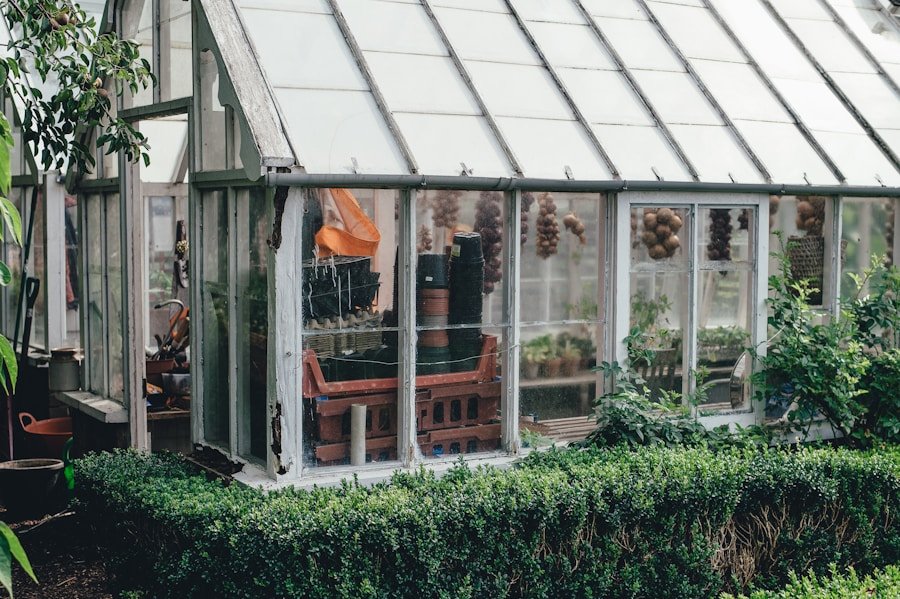

Plastic has become a ubiquitous material in gardening, from pots and planters to tools and watering cans. However, the widespread use of plastic in gardening has led to a number of environmental problems. One of the main issues with plastic in gardening is its impact on the environment. Plastic is not biodegradable and can take hundreds of years to break down, leading to pollution of soil and waterways. Additionally, the production of plastic contributes to greenhouse gas emissions and the depletion of natural resources. Another concern with plastic in gardening is its potential harm to plants and wildlife. Many plastic products contain harmful chemicals that can leach into the soil and water, posing a threat to the health of plants and animals. Furthermore, plastic waste from gardening activities often ends up in landfills, further contributing to environmental degradation. As a result, there is a growing need for eco-friendly alternatives to plastic in gardening.
Eco-Friendly Gardening Tools and Materials
Fortunately, there are a variety of eco-friendly gardening tools and materials available that can help reduce the reliance on plastic in gardening. One option is to use tools made from sustainable materials such as bamboo or recycled metal. These materials are durable and long-lasting, making them a great alternative to plastic tools. Additionally, there are now biodegradable plant pots and seed trays made from materials such as coconut coir, rice hulls, and biodegradable plastics. These pots break down naturally over time, reducing the environmental impact of gardening. Another eco-friendly option is to use natural fibers such as jute or hemp for twine and garden ties, instead of plastic-based materials. By choosing eco-friendly tools and materials, gardeners can reduce their reliance on plastic and minimize their environmental footprint.
Creative Alternatives for Plastic Pots and Planters
In addition to biodegradable pots and trays, there are a number of creative alternatives to plastic pots and planters that can be used in gardening. One option is to repurpose household items such as tin cans, mason jars, or wooden crates as planters. These items can be easily upcycled into unique and stylish containers for growing plants. Another alternative is to use natural materials such as terracotta, ceramic, or clay pots, which are not only eco-friendly but also provide good insulation for plant roots. Additionally, fabric pots made from materials such as felt or canvas are becoming increasingly popular for their breathability and ability to air-prune roots. By thinking outside the box and exploring creative alternatives to plastic pots and planters, gardeners can reduce their reliance on plastic while adding a unique touch to their gardens.
Sustainable Watering Solutions for Gardening
Watering is an essential part of gardening, but traditional plastic watering cans and hoses can have a negative impact on the environment. Fortunately, there are sustainable watering solutions available that can help reduce the use of plastic in gardening. One option is to use watering cans made from recycled metal or sustainable materials such as copper or brass. These materials are durable and long-lasting, making them a great eco-friendly alternative to plastic watering cans. Another option is to use soaker hoses or drip irrigation systems, which deliver water directly to the roots of plants, reducing water waste and the need for plastic hoses. Additionally, rain barrels can be used to collect and store rainwater for watering plants, reducing the reliance on tap water and plastic containers. By adopting sustainable watering solutions, gardeners can minimize their use of plastic while conserving water and promoting a healthier environment.
Natural Pest Control Methods for Eco-Friendly Gardening
Pests can be a major challenge in gardening, but traditional chemical pesticides can have harmful effects on the environment and wildlife. Fortunately, there are natural pest control methods that can help protect plants without relying on plastic-based pesticides. One option is to encourage beneficial insects such as ladybugs, lacewings, and predatory mites, which feed on harmful pests like aphids and caterpillars. Another natural pest control method is to use companion planting, where certain plants are grown together to repel pests or attract beneficial insects. Additionally, homemade remedies such as garlic spray, neem oil, or diatomaceous earth can be used to deter pests without harming the environment. By embracing natural pest control methods, gardeners can reduce their reliance on plastic pesticides while promoting a healthy and balanced ecosystem in their gardens.
Composting and Soil Enrichment Techniques
Soil health is essential for successful gardening, but traditional fertilizers and soil amendments often contain plastic-based ingredients that can harm the environment. Composting and soil enrichment techniques offer eco-friendly alternatives that can help improve soil fertility without relying on plastic products. Composting organic matter such as kitchen scraps, yard waste, and leaves can create nutrient-rich compost that can be used to enrich soil and promote healthy plant growth. Additionally, natural soil amendments such as composted manure, bone meal, or seaweed can be used to improve soil structure and provide essential nutrients to plants. By adopting composting and soil enrichment techniques, gardeners can reduce their reliance on plastic-based fertilizers while promoting sustainable soil health in their gardens.
Embracing Eco-Friendly Gardening Practices
In conclusion, the widespread use of plastic in gardening has led to a number of environmental problems, from pollution to harm to plants and wildlife. However, there are a variety of eco-friendly alternatives and practices that can help reduce the reliance on plastic in gardening. By using sustainable materials for tools and containers, adopting natural pest control methods, embracing composting and soil enrichment techniques, and implementing sustainable watering solutions, gardeners can minimize their environmental footprint while promoting healthy and thriving gardens. It is important for gardeners to be mindful of the impact of their gardening practices on the environment and to embrace eco-friendly alternatives that prioritize sustainability and conservation. By making small changes in their gardening habits, gardeners can make a big difference in protecting the planet for future generations.