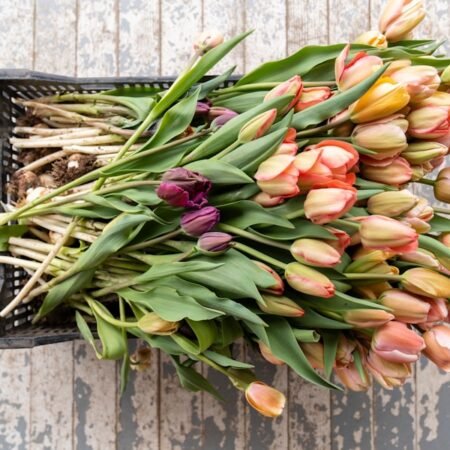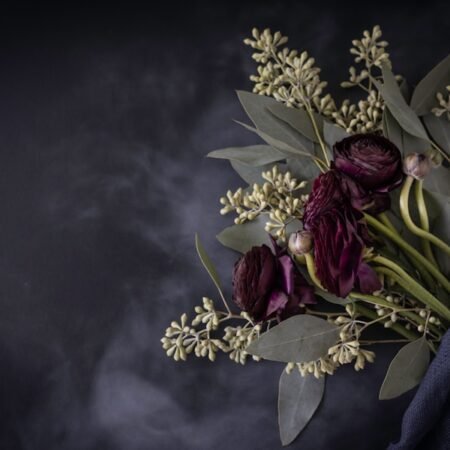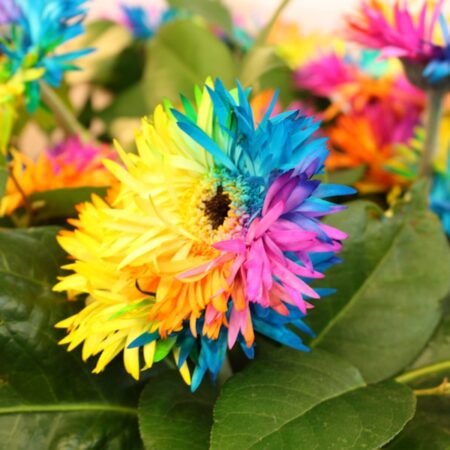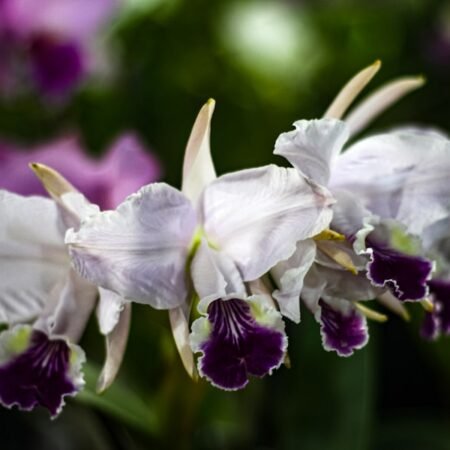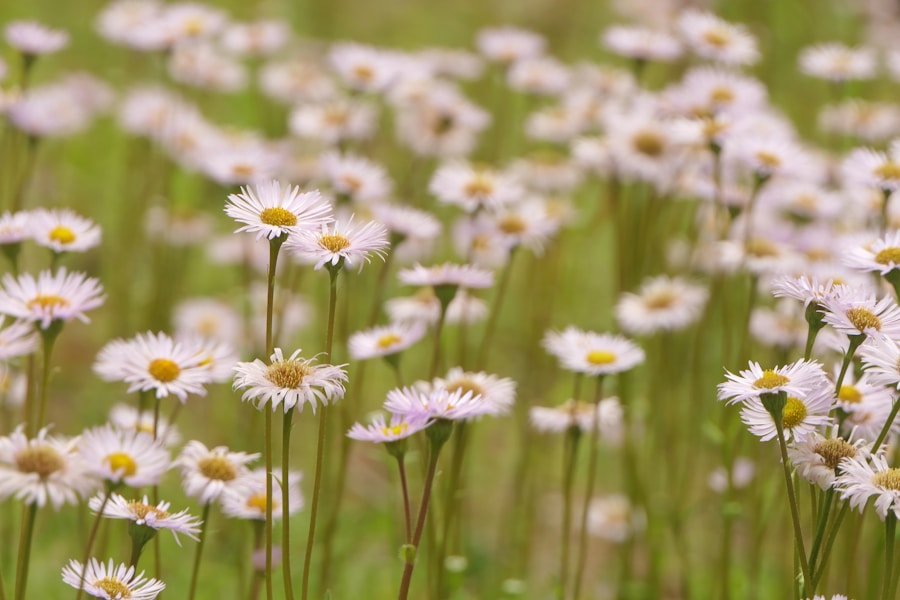

Seasonal flowers have long been associated with symbolism and meaning, making them a popular choice for various occasions and events. Each season brings with it a unique selection of blooms, each with its own significance and symbolism. For example, spring flowers such as daffodils and tulips are often associated with renewal and new beginnings, making them a popular choice for weddings and other celebrations. Summer flowers like sunflowers and daisies are often seen as symbols of joy and happiness, while fall blooms such as chrysanthemums and asters are often associated with abundance and gratitude. Winter flowers like poinsettias and holly are often used to symbolize hope and resilience during the colder months.
The symbolism of seasonal flowers can vary depending on cultural and regional traditions, but they are often used to convey emotions and sentiments in a meaningful way. Whether it’s to celebrate a special occasion or to simply brighten up a space, seasonal flowers can add depth and significance to any floral arrangement.
Affordable Options for Seasonal Blooms
One of the great things about seasonal flowers is that they are often more affordable than out-of-season blooms. Because they are readily available during their peak growing season, seasonal flowers are typically easier to find and less expensive to purchase. This makes them a great option for those looking to add a touch of beauty to their home or event without breaking the bank.
Some affordable options for seasonal blooms include daffodils, tulips, and hyacinths in the spring, sunflowers, zinnias, and daisies in the summer, chrysanthemums, asters, and dahlias in the fall, and poinsettias, holly, and amaryllis in the winter. By choosing seasonal flowers, you can create stunning floral arrangements without spending a fortune.
How to Incorporate Seasonal Flowers into Your Home Decor
There are countless ways to incorporate seasonal flowers into your home decor to add a touch of natural beauty and freshness to your space. One popular option is to create a seasonal floral centerpiece for your dining table or living room. This can be done by arranging a variety of seasonal blooms in a vase or decorative container and placing it in a prominent location in your home.
Another way to incorporate seasonal flowers into your home decor is by creating a floral wreath for your front door or interior walls. This can be done using a variety of seasonal blooms and greenery to create a stunning and welcoming display. Additionally, you can also use seasonal flowers to create beautiful floral arrangements for your mantel, coffee table, or other surfaces in your home.
Seasonal Flowers for Special Occasions
Seasonal flowers are often the perfect choice for special occasions such as weddings, birthdays, anniversaries, and holidays. By choosing blooms that are in season, you can create a cohesive and visually stunning floral display that reflects the time of year and adds a touch of natural beauty to your event.
For weddings, seasonal flowers can be used to create stunning bridal bouquets, centerpieces, and ceremony decor that perfectly complement the season. For example, spring weddings may feature pastel-colored blooms such as peonies and lilacs, while fall weddings may showcase rich and vibrant hues like dahlias and sunflowers.
For birthdays and anniversaries, seasonal flowers can be used to create personalized floral arrangements that reflect the recipient’s favorite blooms or the time of year they were born or married. Additionally, seasonal flowers can also be used to create beautiful floral displays for holidays such as Christmas, Easter, and Thanksgiving.
The Environmental Benefits of Choosing Seasonal Flowers
Choosing seasonal flowers can have a positive impact on the environment by reducing the carbon footprint associated with flower production and transportation. When you choose blooms that are in season, you are supporting local flower growers and reducing the need for long-distance transportation of flowers from other regions or countries.
Additionally, seasonal flowers are often grown using sustainable farming practices that minimize the use of pesticides and other harmful chemicals. By choosing seasonal blooms, you can feel good knowing that you are supporting environmentally friendly flower production methods.
Furthermore, seasonal flowers also help to promote biodiversity by encouraging the growth of native plant species and providing essential habitat for pollinators such as bees and butterflies. By choosing seasonal flowers, you are not only adding beauty to your home or event but also contributing to the health of the planet.
DIY Floral Arrangements with Seasonal Blooms
Creating your own floral arrangements with seasonal blooms is a fun and rewarding way to add a personal touch to your home decor or special event. Whether you’re a seasoned florist or a beginner, there are countless resources available to help you create stunning floral displays using seasonal flowers.
One popular option for DIY floral arrangements is to create a hand-tied bouquet using a variety of seasonal blooms and greenery. This can be done by selecting a mix of different textures, colors, and shapes to create a visually interesting display. Additionally, you can also use seasonal flowers to create beautiful table centerpieces, wreaths, and garlands for various occasions.
Another fun way to incorporate seasonal blooms into your DIY floral arrangements is by creating unique and unexpected displays using non-traditional containers such as vintage teapots, mason jars, or even hollowed-out pumpkins or gourds for fall displays. By thinking outside the box and getting creative with your floral arrangements, you can create one-of-a-kind displays that are sure to impress.
The Cultural Significance of Seasonal Flowers
In many cultures around the world, seasonal flowers hold deep cultural significance and are often used in traditional ceremonies, rituals, and celebrations. For example, in Japan, cherry blossoms are revered for their fleeting beauty and are celebrated each spring with hanami (flower viewing) festivals. In India, marigolds are often used in religious ceremonies and festivals as offerings to deities and as decorations for weddings and other celebrations.
In Western cultures, certain seasonal flowers have also become associated with specific holidays and traditions. For example, red roses are often given on Valentine’s Day as a symbol of love and affection, while poinsettias are commonly used as decorations during the Christmas season.
Additionally, many cultures have developed their own unique folklore and symbolism surrounding certain seasonal flowers. For example, in Celtic tradition, daffodils are associated with rebirth and new beginnings, while in Chinese culture, peonies are seen as symbols of prosperity and good fortune.
In conclusion, seasonal flowers hold deep symbolism and cultural significance across various traditions around the world. By choosing blooms that are in season, you can not only add natural beauty to your home or event but also honor the rich cultural heritage associated with these timeless symbols of nature’s beauty. Whether it’s for a special occasion or simply to brighten up your space, seasonal flowers offer endless possibilities for creating stunning floral displays that reflect the beauty of each passing season.

Other Articles