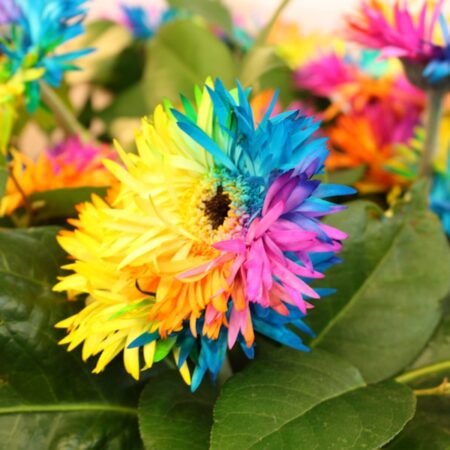

Gerbera daisies, also known as Transvaal daisies, are a popular and vibrant flowering plant that is native to South Africa. These beautiful flowers are known for their large, colorful blooms and long, sturdy stems, making them a favorite among florists and gardeners alike. Gerbera daisies come in a wide range of colors, including pink, red, yellow, orange, and white, and are often used in floral arrangements and bouquets to add a pop of color and cheer. In addition to their aesthetic appeal, gerbera daisies are also relatively easy to care for, making them a popular choice for both indoor and outdoor gardens.
Peak Blooming Times in Different Regions of Australia
In Australia, the peak blooming times for gerbera daisies can vary depending on the region and climate. In the cooler southern regions of Australia, such as Victoria and Tasmania, gerbera daisies tend to bloom most prolifically during the spring and summer months, from September to February. In the warmer northern regions, such as Queensland and the Northern Territory, gerbera daisies may bloom earlier in the year, from August to January. The peak blooming times for gerbera daisies in Western Australia and South Australia fall somewhere in between, typically occurring from October to March. It’s important for gardeners and florists to be aware of these regional differences in blooming times in order to plan and care for their gerbera daisies accordingly.
Factors Affecting Gerbera Daisy Blooming Times
Several factors can influence the blooming times of gerbera daisies in Australia. One of the most significant factors is the climate and weather conditions in a particular region. Gerbera daisies thrive in mild to warm temperatures and require plenty of sunlight to bloom. Therefore, regions with cooler or more variable climates may experience shorter blooming periods for gerbera daisies. Soil quality and moisture levels can also impact the blooming times of gerbera daisies. These flowers prefer well-draining soil that is rich in organic matter and slightly acidic. Excessive moisture or poor soil quality can lead to root rot and other issues that may hinder blooming. Additionally, the age and health of the gerbera daisy plants themselves can affect their blooming times. Older or stressed plants may produce fewer blooms or have a shorter blooming period compared to younger, healthier plants.
Tips for Extending the Blooming Period
There are several strategies that gardeners and florists can use to extend the blooming period of gerbera daisies in Australia. One effective method is deadheading, which involves removing spent blooms from the plant to encourage new growth and prolong the blooming period. Regular deadheading can help to prevent the formation of seeds, which can divert energy away from flower production. Another tip for extending the blooming period of gerbera daisies is to provide proper care and maintenance throughout the growing season. This includes regular watering, fertilizing, and pest control to ensure that the plants remain healthy and vigorous. Additionally, providing adequate protection from extreme weather conditions, such as strong winds or heavy rain, can help to prevent damage to the flowers and prolong their blooming period.
Popular Varieties of Gerbera Daisies in Australia
There are several popular varieties of gerbera daisies that are commonly grown in Australia. One of the most well-known varieties is the Gerbera jamesonii, which is prized for its large, colorful blooms and long stems. This variety comes in a wide range of colors, including pink, red, yellow, orange, and white, making it a versatile choice for floral arrangements and bouquets. Another popular variety is the Gerbera viridifolia, which is known for its unique green flowers and distinctive appearance. This variety is often used as a focal point in floral designs and adds an interesting touch to any arrangement. Other popular varieties of gerbera daisies in Australia include the Gerbera hybrida and Gerbera miniata, both of which offer a wide range of colors and flower forms to choose from.
Best Practices for Caring for Gerbera Daisies
Caring for gerbera daisies in Australia requires attention to several key factors in order to ensure healthy growth and prolific blooming. One important aspect of caring for gerbera daisies is providing them with the right growing conditions. These flowers thrive in well-draining soil that is rich in organic matter and slightly acidic. They also require plenty of sunlight to bloom, so it’s important to plant them in a location that receives at least six hours of direct sunlight per day. Additionally, gerbera daisies benefit from regular watering, especially during hot or dry periods, as well as regular fertilization to promote strong growth and abundant blooms. It’s also important to monitor for pests and diseases that can affect gerbera daisies and take appropriate measures to control them.
The Importance of Gerbera Daisies in Australian Floriculture
Gerbera daisies play an important role in Australian floriculture due to their vibrant colors, long-lasting blooms, and versatility in floral design. These flowers are commonly used in both cut flower production and landscaping, making them a valuable crop for commercial growers as well as a popular choice for home gardeners. In addition to their aesthetic appeal, gerbera daisies also have a long vase life, making them a favorite among florists for use in bouquets and arrangements. Their large blooms and sturdy stems make them an ideal choice for creating eye-catching focal points in floral designs. Furthermore, gerbera daisies are known for their ability to attract pollinators such as bees and butterflies, making them a valuable addition to garden landscapes that support biodiversity. Overall, gerbera daisies are an important and beloved flower in Australian floriculture, valued for their beauty, longevity, and contribution to the natural environment.