
Supporting local farms has numerous benefits for both the environment and the community. By purchasing produce and other goods from local farms, consumers can reduce their carbon footprint by cutting down on the transportation and packaging required for goods that are shipped from far away. Additionally, supporting local farms helps to preserve green spaces and farmland, as well as protect biodiversity. Local farms also tend to use fewer pesticides and chemicals, which can have a positive impact on both the environment and public health. Furthermore, supporting local farms helps to stimulate the local economy and create jobs within the community. By purchasing from local farms, consumers can feel good knowing that they are supporting sustainable and ethical agricultural practices.
In addition to the environmental and economic benefits, supporting local farms also allows consumers to access fresh, high-quality produce and goods. Local farms often prioritize flavor and nutrition over shelf life and transportation durability, meaning that consumers can enjoy fresher and more flavorful products. By purchasing from local farms, consumers can also have a greater understanding of where their food comes from and how it is produced, which can lead to a greater appreciation for the food they eat. Overall, supporting local farms is a win-win for both the environment and the community.
Eco-Friendly Flower Options for Every Season
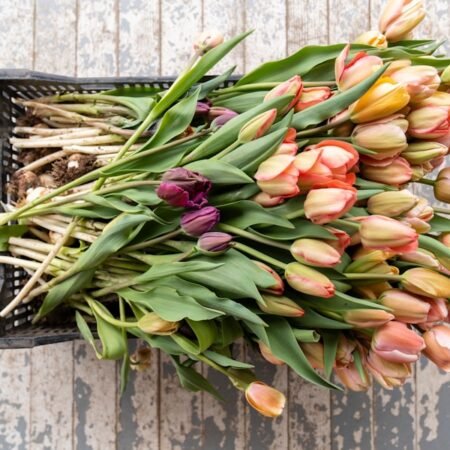
When it comes to choosing eco-friendly flowers, it’s important to consider the season in which the flowers are being grown and harvested. By selecting flowers that are in season, consumers can reduce the environmental impact of their purchase by supporting local and sustainable flower farms. In the spring, popular eco-friendly flower options include tulips, daffodils, and hyacinths. These flowers are not only beautiful, but they are also relatively easy to grow and require minimal pesticides and chemicals. In the summer, sunflowers, zinnias, and dahlias are popular eco-friendly options that thrive in the warm weather. These flowers are not only vibrant and colorful, but they also attract pollinators and support local ecosystems.
In the fall, eco-friendly flower options include chrysanthemums, asters, and marigolds. These flowers are hardy and resilient, making them perfect for fall arrangements. In the winter, consumers can opt for eco-friendly flowers such as amaryllis, paperwhites, and poinsettias. These flowers are not only festive and beautiful, but they also thrive in cooler temperatures and can be grown without the use of excessive heating or artificial lighting. By choosing eco-friendly flowers that are in season, consumers can support sustainable agricultural practices and reduce their environmental impact.
How to Choose the Perfect Seasonal Flower Gift
When choosing a seasonal flower gift, it’s important to consider the recipient’s preferences as well as the occasion for which the flowers are being given. For example, if the recipient loves bright and vibrant colors, a bouquet of summer sunflowers or zinnias may be the perfect choice. On the other hand, if the recipient prefers more subtle and delicate flowers, a bouquet of spring tulips or daffodils may be more suitable. Additionally, it’s important to consider the occasion for which the flowers are being given. For a romantic gesture, red roses or peonies may be a fitting choice, while for a birthday or celebration, a colorful mixed bouquet may be more appropriate.
It’s also important to consider the longevity of the flowers when choosing a seasonal flower gift. For example, if the recipient enjoys long-lasting flowers, choosing a bouquet of chrysanthemums or marigolds may be a good option. On the other hand, if the recipient prefers flowers that will bloom and fade quickly, choosing a bouquet of delicate spring flowers such as lilies of the valley or lilacs may be more suitable. By considering the recipient’s preferences, the occasion, and the longevity of the flowers, consumers can choose the perfect seasonal flower gift that is both thoughtful and eco-friendly.
Supporting Sustainable Agriculture: The Importance of Local Farming
Supporting sustainable agriculture is crucial for preserving the environment and ensuring food security for future generations. Local farming plays a key role in sustainable agriculture by promoting biodiversity, reducing greenhouse gas emissions, and preserving natural resources. By supporting local farms, consumers can help to protect green spaces and farmland from urban development and industrial agriculture. Additionally, local farms tend to use fewer pesticides and chemicals than large-scale industrial farms, which can have a positive impact on both public health and the environment.
Furthermore, supporting local farming helps to stimulate the local economy and create jobs within the community. By purchasing from local farms, consumers can help to support small-scale farmers who often face financial challenges due to competition from large-scale industrial agriculture. Additionally, supporting local farming helps to reduce food miles and transportation emissions by cutting down on the distance that food needs to travel from farm to table. By supporting sustainable agriculture through local farming, consumers can help to preserve natural resources, protect biodiversity, and promote ethical and environmentally friendly agricultural practices.
Tips for Caring for Your Eco-Friendly Flower Gift
Caring for eco-friendly flower gifts is essential for ensuring that they last as long as possible while minimizing their environmental impact. One important tip for caring for eco-friendly flower gifts is to trim the stems at an angle before placing them in water. This helps to ensure that the flowers can absorb water more easily and stay hydrated for longer. Additionally, it’s important to change the water in the vase every few days to prevent bacteria from building up and causing the flowers to wilt prematurely.
Another important tip for caring for eco-friendly flower gifts is to keep them away from direct sunlight and heat sources. Placing flowers in direct sunlight or near heat sources can cause them to wilt more quickly and lose their vibrant colors. Additionally, it’s important to remove any leaves or foliage that will be submerged in water as this can cause bacteria to build up in the vase. By following these tips for caring for eco-friendly flower gifts, consumers can ensure that their flowers last as long as possible while minimizing their environmental impact.
The Environmental Impact of Supporting Local Farms
Supporting local farms has a positive environmental impact by reducing food miles, preserving natural resources, and promoting sustainable agricultural practices. By purchasing produce and goods from local farms, consumers can reduce their carbon footprint by cutting down on the transportation and packaging required for goods that are shipped from far away. Additionally, supporting local farms helps to protect green spaces and farmland from urban development and industrial agriculture. This not only preserves natural habitats but also helps to maintain biodiversity.
Furthermore, supporting local farms helps to reduce food waste by promoting seasonal eating and reducing overproduction of goods that are not in demand. By purchasing from local farms, consumers can help to support small-scale farmers who often face financial challenges due to competition from large-scale industrial agriculture. Additionally, supporting local farming helps to reduce food miles and transportation emissions by cutting down on the distance that food needs to travel from farm to table. By supporting sustainable agriculture through local farming, consumers can help to preserve natural resources, protect biodiversity, and promote ethical and environmentally friendly agricultural practices.
Creative Ways to Use Eco-Friendly Flowers in Gift Giving
There are many creative ways to use eco-friendly flowers in gift giving that not only show thoughtfulness but also minimize environmental impact. One creative way to use eco-friendly flowers in gift giving is by creating personalized floral arrangements using locally sourced flowers. By choosing flowers that are in season and grown locally, consumers can support sustainable agricultural practices while creating unique and thoughtful gifts for their loved ones.
Another creative way to use eco-friendly flowers in gift giving is by incorporating them into homemade gifts such as candles or bath products. By using dried flowers or essential oils derived from eco-friendly flowers, consumers can create personalized gifts that are both beautiful and environmentally friendly. Additionally, using eco-friendly flowers in gift giving can also involve supporting local florists who prioritize sustainability and ethical sourcing practices.
Overall, there are many creative ways to use eco-friendly flowers in gift giving that not only show thoughtfulness but also minimize environmental impact. By choosing locally sourced flowers that are in season and grown sustainably, consumers can create unique and thoughtful gifts while supporting ethical agricultural practices within their community.

Other Articles

Flower Power: Unique Floral Gifts to Surprise and Delight Him