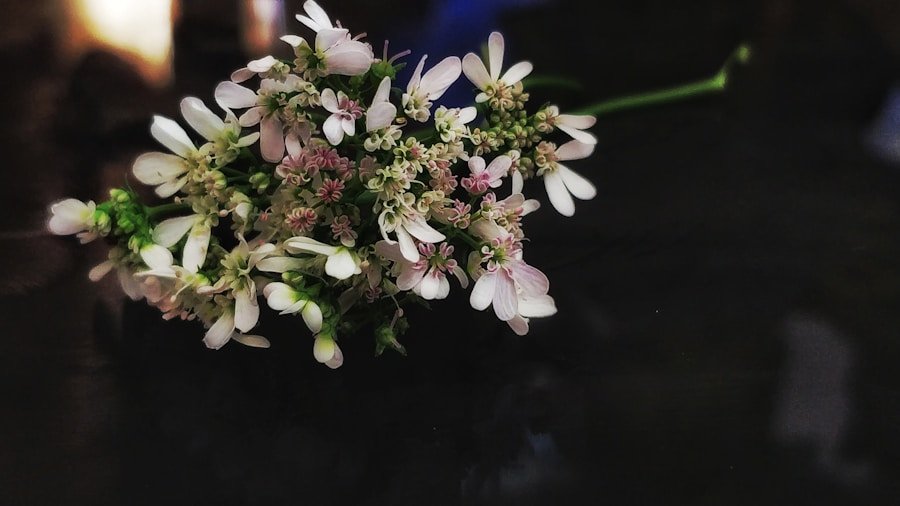

Sweet peas, also known by their scientific name Lathyrus odoratus, have a rich and fascinating history that dates back to ancient Greece. The first recorded mention of sweet peas can be traced back to the 17th century, when they were discovered by a Sicilian monk named Franciscus Cupani. Cupani sent the seeds of sweet peas to England, where they quickly gained popularity among gardeners and horticulturists. By the 18th century, sweet peas had become a staple in English gardens, and their popularity continued to grow throughout Europe and the United States.
In the 19th century, sweet peas experienced a surge in popularity thanks to the efforts of a man named Henry Eckford. Eckford, a Scottish nurseryman, dedicated his life to breeding and developing new varieties of sweet peas, resulting in an explosion of colors, sizes, and fragrances. Today, sweet peas are a beloved garden flower, cherished for their delicate beauty and enchanting fragrance. They continue to be a favorite among gardeners and florists alike, and their rich history is a testament to their enduring appeal.
The Different Varieties of Sweet Peas: Colors, Sizes, and Fragrances
Sweet peas come in a wide array of colors, ranging from delicate pastels to vibrant jewel tones. Some of the most popular colors include shades of pink, purple, blue, and white, but there are also varieties that feature bi-colored or striped petals. In addition to their stunning colors, sweet peas also come in a range of sizes, from petite dwarf varieties to tall and vigorous climbers. This diversity allows gardeners to choose the perfect sweet pea for their specific needs and growing conditions.
One of the most enchanting qualities of sweet peas is their intoxicating fragrance. Many varieties of sweet peas are prized for their sweet and heady scent, which can fill a garden with an irresistible perfume. Some varieties are even bred specifically for their fragrance, making them a must-have for anyone who loves to fill their home with the scent of fresh flowers. Whether you prefer soft pastels or bold jewel tones, there is a sweet pea variety to suit every taste and style.
Planting and Caring for Sweet Peas: Tips for a Successful Garden
Planting and caring for sweet peas is relatively straightforward, but there are a few key tips that can help ensure a successful garden. Sweet peas prefer cool weather, so it’s best to plant them in early spring or late fall in warmer climates. They thrive in well-drained soil with plenty of organic matter, so be sure to amend your soil with compost or aged manure before planting. Sweet peas also benefit from a support structure, such as a trellis or fence, as they are climbing vines that can reach heights of up to six feet.
When planting sweet peas, it’s important to soak the seeds overnight to help soften their hard outer coating and encourage germination. Once planted, keep the soil consistently moist but not waterlogged, as too much water can cause the seeds to rot. As the plants grow, be sure to pinch off any spent flowers to encourage continuous blooming. With proper care and attention, sweet peas will reward you with an abundance of beautiful blooms throughout the growing season.
Sweet Peas in the Spring: How to Enjoy Their Beauty and Fragrance
Spring is the perfect time to enjoy the beauty and fragrance of sweet peas in the garden. As the weather begins to warm up, sweet peas will burst into bloom, filling the air with their sweet and heady scent. Their delicate petals come in a range of soft pastel colors, making them a charming addition to any garden. Whether grown along a fence or trellis or in a container on a sunny patio, sweet peas are sure to brighten up any outdoor space.
One of the best ways to enjoy sweet peas in the spring is by cutting them for bouquets and floral arrangements. Their long stems and abundant blooms make them an ideal choice for creating stunning arrangements that bring the beauty of the garden indoors. Whether displayed on their own or mixed with other spring flowers such as tulips and daffodils, sweet peas add a touch of elegance and charm to any room. Their intoxicating fragrance will fill your home with the scent of spring, creating a welcoming and inviting atmosphere.
Sweet Peas in the Summer: Using Them in Floral Arrangements and Bouquets
As summer arrives, sweet peas continue to bloom profusely, providing an abundance of beautiful flowers for use in floral arrangements and bouquets. Their long stems and delicate petals make them an excellent choice for creating stunning centerpieces for weddings and special events. Whether used on their own or combined with other summer blooms such as roses and peonies, sweet peas add a touch of romance and elegance to any arrangement.
In addition to using sweet peas in floral arrangements, they can also be enjoyed in the garden throughout the summer months. Their climbing vines create a lush and vibrant backdrop for other summer flowers, while their intoxicating fragrance fills the air with a sweet and heady scent. Whether grown in a traditional garden bed or in containers on a sunny patio, sweet peas are sure to bring joy and beauty to any outdoor space during the summer months.
Sweet Peas in the Fall: How to Extend Their Blooming Season
As fall approaches, it’s possible to extend the blooming season of sweet peas by taking a few simple steps. Deadheading spent flowers will encourage the plants to produce new blooms, while regular watering and fertilizing will help keep them healthy and vigorous. In cooler climates, sweet peas may continue to bloom well into the fall months, providing a welcome burst of color and fragrance as other flowers begin to fade.
In addition to extending their blooming season in the garden, sweet peas can also be enjoyed indoors during the fall months. Their long stems and abundant blooms make them an excellent choice for creating stunning floral arrangements that bring the beauty of the garden indoors. Whether displayed on their own or combined with other fall flowers such as chrysanthemums and dahlias, sweet peas add a touch of elegance and charm to any room.
Sweet Peas in the Winter: Creative Ways to Bring Their Beauty Indoors
During the winter months, when outdoor gardens are dormant, there are still creative ways to bring the beauty of sweet peas indoors. Dried sweet pea flowers can be used to create charming wreaths and garlands that add a touch of natural beauty to any home. Their delicate petals and soft pastel colors make them an ideal choice for creating wreaths that celebrate the beauty of the winter season.
In addition to using dried sweet pea flowers in wreaths and garlands, they can also be used to create charming botanical art pieces that bring a touch of nature indoors. Whether pressed and framed or used to create intricate designs on paper or fabric, sweet pea flowers add a whimsical and enchanting touch to any home during the winter months. By finding creative ways to bring their beauty indoors, you can continue to enjoy the charm of sweet peas all year round.