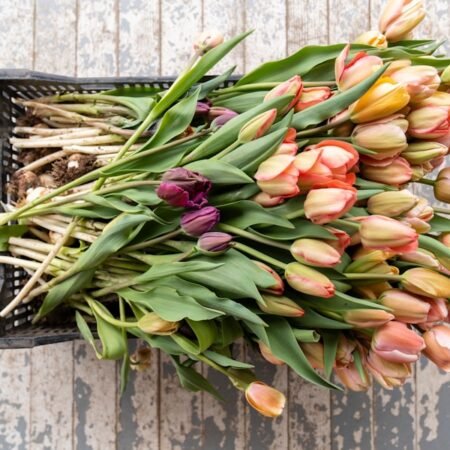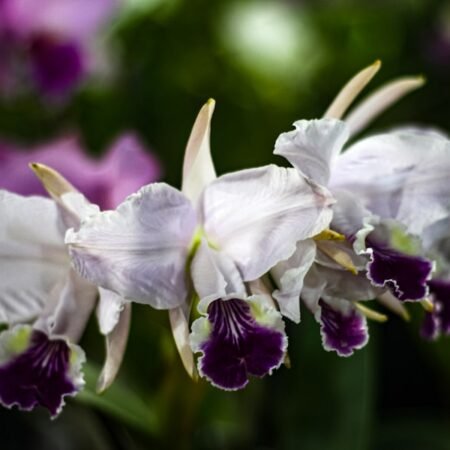

When it comes to choosing the right flowers for spring, there are a few key factors to consider. First and foremost, it’s important to select flowers that are well-suited to the climate and growing conditions in your area. This means taking into account factors such as temperature, sunlight, and soil type. Some popular choices for spring flowers include tulips, daffodils, hyacinths, and pansies, all of which are known for their vibrant colors and ability to thrive in cooler weather.
In addition to considering the climate and growing conditions, it’s also important to think about the overall aesthetic you want to achieve in your garden. Do you want a garden filled with bright, bold colors, or are you more drawn to a softer, more pastel palette? Are you looking for flowers that will attract pollinators such as bees and butterflies, or are you more interested in low-maintenance options that require minimal care? By taking the time to consider these factors, you can ensure that you choose the right flowers for your spring garden that will not only thrive but also bring you joy and satisfaction.
Planting and Soil Preparation
Once you’ve chosen the right flowers for your spring garden, it’s time to focus on planting and soil preparation. Before planting any flowers, it’s important to prepare the soil to ensure that it provides the necessary nutrients and drainage for healthy growth. This may involve testing the soil pH, adding organic matter such as compost or manure, and loosening the soil to improve aeration.
When it comes to planting your flowers, it’s important to follow the specific planting instructions for each type of flower. Some flowers may need to be planted at a certain depth or spacing, while others may require special considerations such as soaking the bulbs before planting. It’s also important to consider the timing of planting, as some flowers may need to be planted in the fall in order to bloom in the spring. By taking the time to properly prepare the soil and follow planting instructions, you can set your spring flowers up for success from the very beginning.
Watering and Fertilizing
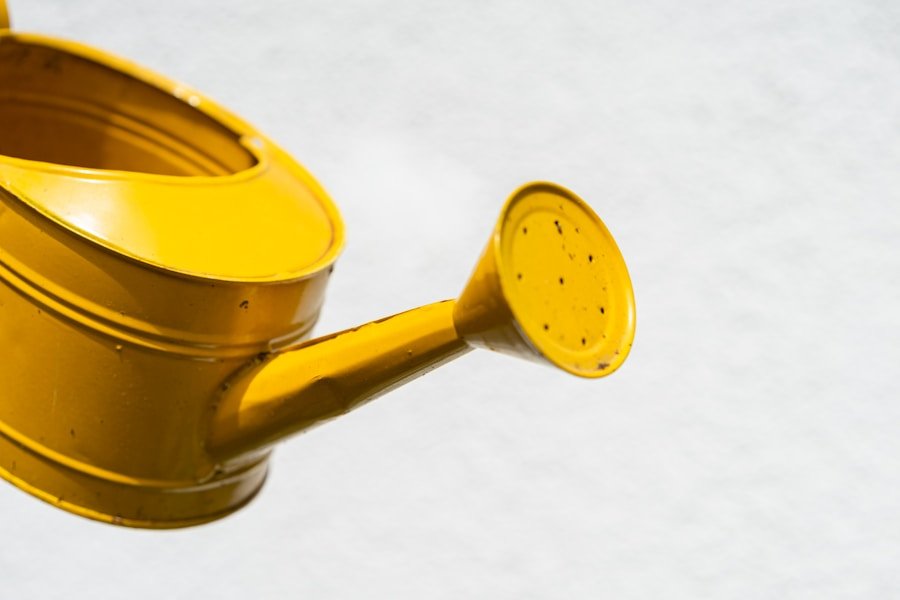
Proper watering and fertilizing are essential for ensuring that your spring flowers thrive throughout the growing season. When it comes to watering, it’s important to strike a balance between providing enough moisture for healthy growth without overwatering and causing root rot. This may involve watering deeply and infrequently, especially during periods of dry weather, and avoiding overhead watering that can lead to disease.
In addition to proper watering, fertilizing is also important for providing your spring flowers with the nutrients they need to grow and bloom. This may involve using a balanced fertilizer with equal parts nitrogen, phosphorus, and potassium, or using organic options such as compost or fish emulsion. It’s important to follow the specific fertilizing recommendations for each type of flower, as over-fertilizing can lead to excessive foliage growth at the expense of blooms. By paying attention to watering and fertilizing needs, you can help your spring flowers reach their full potential.
Pruning and Deadheading
Pruning and deadheading are important tasks for maintaining the health and appearance of your spring flowers throughout the growing season. Pruning involves removing dead or damaged foliage, as well as shaping the plant to encourage healthy growth and flowering. This may involve using clean, sharp pruners to remove spent blooms, thin out crowded growth, or shape the plant into a desired form.
Deadheading is a specific type of pruning that involves removing spent blooms from flowering plants. This not only helps to improve the overall appearance of the plant but also encourages the production of new blooms. Deadheading can be done by pinching off spent blooms with your fingers or using pruners for larger plants. By regularly pruning and deadheading your spring flowers, you can help them stay healthy and vibrant throughout the growing season.
Pest and Disease Control
Pest and disease control are important considerations for maintaining the health and beauty of your spring flowers. Common pests that can affect spring flowers include aphids, slugs, snails, and spider mites, all of which can cause damage to foliage and blooms. In addition to pests, diseases such as powdery mildew, botrytis, and root rot can also pose a threat to spring flowers if left unchecked.
There are several methods for controlling pests and diseases in the garden, including using natural predators such as ladybugs or lacewings, applying organic insecticidal soaps or neem oil, and practicing good sanitation by removing diseased foliage. It’s also important to monitor your plants regularly for signs of pests or disease so that you can take action early on. By being proactive about pest and disease control, you can help protect your spring flowers from potential damage.
Mulching and Weed Control
Mulching and weed control are important tasks for maintaining a healthy growing environment for your spring flowers. Mulching helps to conserve moisture, suppress weeds, and regulate soil temperature, all of which can benefit the overall health of your plants. Organic mulches such as shredded bark or compost can be applied around the base of plants to a depth of 2-3 inches, being careful not to pile mulch up against plant stems.
In addition to mulching, weed control is also important for preventing competition for water, nutrients, and sunlight. Weeds can be removed by hand or using a hoe or other weeding tool, being careful not to disturb the roots of nearby plants. It’s important to stay on top of weed control throughout the growing season to prevent weeds from taking over and competing with your spring flowers for resources.
Protecting Flowers from Extreme Weather
Finally, protecting your spring flowers from extreme weather is essential for ensuring their survival and continued growth. This may involve providing shade during periods of intense heat, covering plants with frost cloth during late frosts or freezes, or providing wind protection during storms. It’s also important to monitor weather forecasts and take preemptive action when necessary to protect your plants from potential damage.
In addition to extreme weather events, it’s also important to consider factors such as temperature fluctuations and excessive rainfall that can impact the health of your spring flowers. By being proactive about protecting your plants from extreme weather, you can help ensure that they continue to thrive and bring beauty to your garden throughout the growing season.
In conclusion, choosing the right flowers for spring and providing proper care throughout the growing season can result in a beautiful and vibrant garden that brings joy and satisfaction. By taking into account factors such as climate, growing conditions, watering and fertilizing needs, pruning and deadheading tasks, pest and disease control methods, mulching and weed control practices, and protection from extreme weather events, you can set your spring flowers up for success from the very beginning. With careful planning and attention to detail, you can create a stunning display of color and beauty that will bring joy to both you and those who visit your garden.