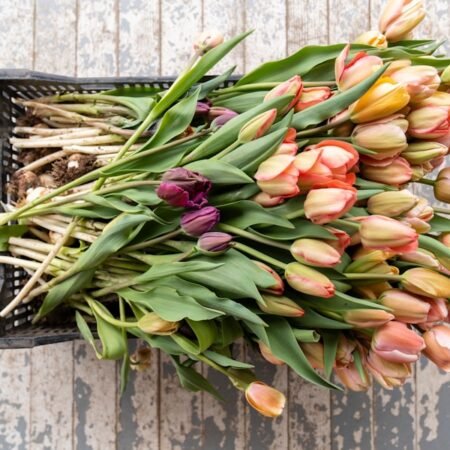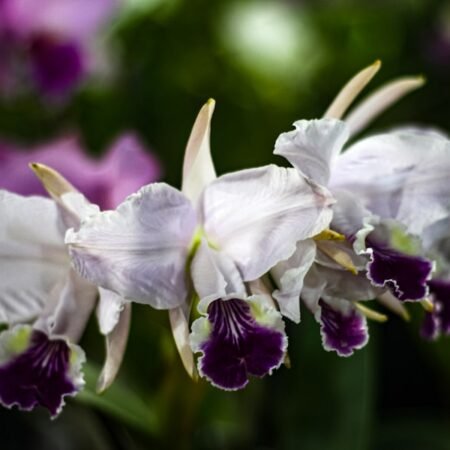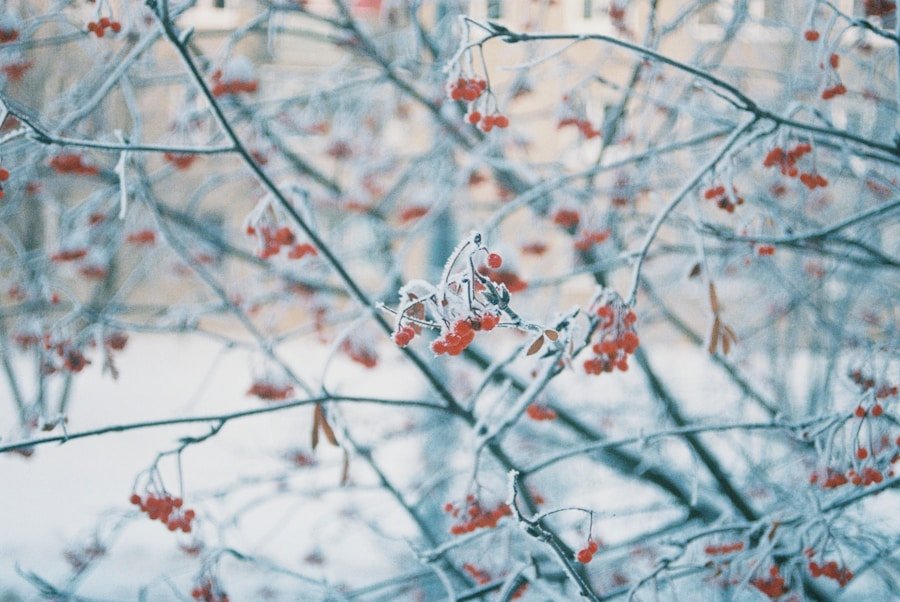

Frost-tolerant flowers are a beautiful and resilient addition to any garden or landscape, especially during the winter months. These hardy plants have the ability to withstand freezing temperatures and even thrive in cold weather conditions. From delicate snowdrops to vibrant winter pansies, there are a wide variety of frost-tolerant flowers that can add color and life to your outdoor spaces during the colder months. Whether you live in a region with harsh winters or simply want to extend the beauty of your garden into the winter season, frost-tolerant flowers are an excellent choice for any gardener.
Frost-tolerant flowers come in a range of shapes, sizes, and colors, making them a versatile option for any garden or landscape design. From the delicate petals of hellebores to the bold blooms of winter jasmine, these resilient plants offer a stunning array of options for winter gardening. Whether you prefer subtle pastel hues or vibrant pops of color, there is a frost-tolerant flower to suit every taste and style. Additionally, many frost-tolerant flowers also offer fragrant blooms, adding an extra sensory dimension to your winter garden. With their ability to withstand freezing temperatures and continue blooming through the winter months, frost-tolerant flowers are a valuable addition to any outdoor space.
The Science Behind Frost Tolerance
The ability of certain plants to withstand freezing temperatures and continue blooming through the winter months is due to a combination of physiological and biochemical adaptations. One key factor in frost tolerance is the ability of plant cells to regulate their water content. When temperatures drop, ice crystals can form within plant cells, causing damage and cell death. However, frost-tolerant plants have developed mechanisms to control the movement of water in and out of their cells, reducing the likelihood of ice crystal formation and minimizing damage.
Another important aspect of frost tolerance is the production of antifreeze compounds within plant tissues. These compounds, such as sugars and proteins, help to lower the freezing point of plant fluids, allowing cells to remain unfrozen at lower temperatures. Additionally, some frost-tolerant plants are able to increase their production of protective compounds in response to cold temperatures, further enhancing their ability to withstand freezing conditions. Through these and other adaptations, frost-tolerant flowers are able to survive and even thrive in cold weather, providing a welcome burst of color and life during the winter months.
Strategies for Surviving Frost
Frost-tolerant flowers have developed a range of strategies to survive freezing temperatures and continue blooming through the winter months. One key adaptation is the ability to regulate their water content, which helps to prevent ice crystal formation within plant cells. This is achieved through a combination of physical and biochemical mechanisms that allow plants to control the movement of water in and out of their cells, reducing the likelihood of ice damage.
In addition to regulating water content, many frost-tolerant flowers produce antifreeze compounds within their tissues. These compounds, such as sugars and proteins, help to lower the freezing point of plant fluids, allowing cells to remain unfrozen at lower temperatures. Some plants also increase their production of protective compounds in response to cold temperatures, further enhancing their ability to withstand freezing conditions. By employing these and other strategies, frost-tolerant flowers are able to survive and even thrive in cold weather, providing a welcome burst of color and life during the winter months.
Frost-Tolerant Flowers in Winter Landscaping
Frost-tolerant flowers are an excellent choice for winter landscaping, offering a burst of color and life during the colder months. Whether used in flower beds, borders, or containers, these hardy plants can add visual interest and beauty to outdoor spaces throughout the winter season. From delicate snowdrops and hellebores to vibrant winter pansies and cyclamen, there are numerous options for incorporating frost-tolerant flowers into your winter landscape design.
In addition to their visual appeal, frost-tolerant flowers also offer practical benefits for winter landscaping. By choosing plants that can withstand freezing temperatures, you can ensure that your outdoor spaces remain vibrant and attractive even during the coldest months. This can be especially important for maintaining curb appeal and visual interest in residential or commercial landscapes. Additionally, many frost-tolerant flowers are also attractive to pollinators such as bees and butterflies, providing valuable food sources during the winter months. With their ability to thrive in cold weather conditions and provide visual interest and ecological benefits, frost-tolerant flowers are a valuable addition to any winter landscape design.
Cultivating Frost-Tolerant Flowers in Your Garden
Cultivating frost-tolerant flowers in your garden is a rewarding way to extend the beauty of your outdoor spaces into the winter months. Whether you have a small urban garden or a sprawling rural landscape, there are numerous options for incorporating these hardy plants into your garden design. From planting snowdrops and hellebores beneath deciduous trees to creating colorful containers filled with winter pansies and cyclamen, there are countless ways to incorporate frost-tolerant flowers into your garden.
When cultivating frost-tolerant flowers, it’s important to consider factors such as soil type, sunlight exposure, and moisture levels. Many frost-tolerant flowers prefer well-drained soil and partial shade, making them well-suited for woodland gardens or shaded borders. Additionally, some plants may benefit from a layer of mulch to protect their roots from freezing temperatures. By selecting appropriate planting locations and providing proper care, you can create a thriving garden filled with beautiful frost-tolerant flowers that will brighten your outdoor spaces throughout the winter season.
The Beauty of Winter Blooms
The beauty of winter blooms is a welcome sight during the colder months, offering a burst of color and life in an otherwise dormant landscape. Frost-tolerant flowers such as snowdrops, hellebores, and cyclamen provide delicate blooms that can brighten up gardens and outdoor spaces throughout the winter season. Their subtle hues and intricate shapes add visual interest and beauty to the winter landscape, creating a sense of warmth and vitality even in the midst of cold temperatures.
In addition to their visual appeal, winter blooms also offer practical benefits for both gardeners and wildlife. Many frost-tolerant flowers are attractive to pollinators such as bees and butterflies, providing valuable food sources during the winter months. This can be especially important for supporting local ecosystems and maintaining biodiversity in urban and suburban areas. Additionally, the presence of winter blooms can lift spirits and provide a sense of hope during the darker days of winter, reminding us of the resilience and beauty of nature even in challenging conditions.
Embracing the Resilience of Frost-Tolerant Flowers
In conclusion, frost-tolerant flowers are a valuable addition to any garden or landscape design, offering beauty, resilience, and ecological benefits throughout the winter months. Through a combination of physiological and biochemical adaptations, these hardy plants are able to withstand freezing temperatures and continue blooming even in cold weather conditions. Whether used in winter landscaping or cultivated in home gardens, frost-tolerant flowers provide a burst of color and life that can brighten up outdoor spaces during the colder months.
By embracing the resilience of frost-tolerant flowers, gardeners can create thriving outdoor spaces that remain vibrant and attractive throughout the winter season. From delicate snowdrops to vibrant winter pansies, there are numerous options for incorporating these hardy plants into garden designs. Their ability to withstand freezing temperatures and provide valuable food sources for pollinators makes them an important addition to any landscape, supporting local ecosystems and maintaining biodiversity even during the coldest months. Ultimately, by cultivating frost-tolerant flowers and embracing their beauty and resilience, we can create outdoor spaces that are both visually stunning and ecologically beneficial throughout the winter season.