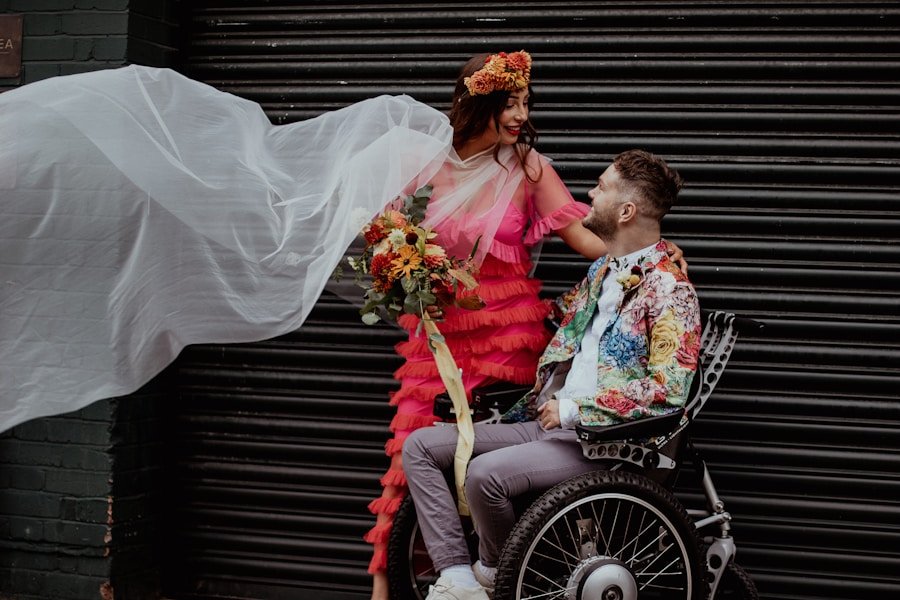

When it comes to gift-giving, the psychology of color plays a significant role in the selection of the perfect present. Different colors evoke different emotions and have various meanings, making them an essential factor to consider when choosing a gift. For example, red is often associated with love and passion, making it a popular choice for romantic gifts such as flowers or chocolates. On the other hand, blue is often linked to calmness and tranquility, making it a suitable choice for gifts aimed at promoting relaxation and peace of mind. Understanding the psychology of color can help you select the perfect gift that resonates with the recipient on a deeper level, making the gift even more meaningful and impactful.
In addition to evoking emotions, colors can also convey specific messages and meanings. For example, yellow is often associated with happiness and positivity, making it an excellent choice for gifts aimed at uplifting someone’s spirits. Similarly, green is often linked to growth and renewal, making it a suitable choice for gifts aimed at celebrating new beginnings or milestones. By understanding the psychology of color, you can ensure that your gift not only looks visually appealing but also carries a deeper significance that resonates with the recipient.
Understanding the Meaning of Different Flower Colours
Flowers are a popular choice for gift-giving, and each flower color carries its own unique meaning and symbolism. For example, red roses are often associated with love and passion, making them a popular choice for romantic gestures. On the other hand, white flowers are often linked to purity and innocence, making them a suitable choice for weddings or as a symbol of sympathy. Understanding the meaning of different flower colors can help you select the perfect bouquet that conveys the right message and sentiment to the recipient.
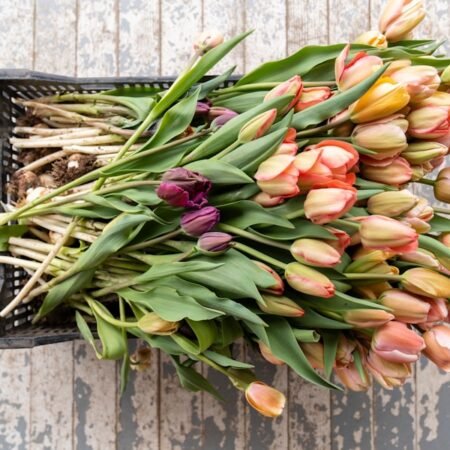
In addition to their meanings, different flower colors can also evoke specific emotions and moods. For example, vibrant and bold colors such as red and orange can evoke feelings of energy and excitement, making them a suitable choice for celebratory occasions. On the other hand, soft and pastel colors such as pink and lavender can evoke feelings of tranquility and serenity, making them a suitable choice for gifts aimed at promoting relaxation and calmness. By understanding the meaning and emotional impact of different flower colors, you can create a bouquet that not only looks beautiful but also resonates with the recipient on a deeper level.
Choosing the Right Colour for the Occasion
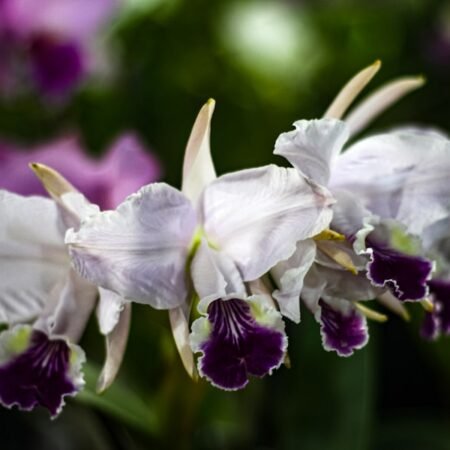
When selecting a gift, it’s essential to consider the occasion and the message you want to convey. Different colors are suitable for different occasions, and understanding the appropriate color choices can help you select the perfect gift. For example, red is often associated with love and passion, making it a suitable choice for romantic occasions such as anniversaries or Valentine’s Day. On the other hand, pastel colors such as pink and lavender are often linked to femininity and grace, making them a suitable choice for gifts aimed at celebrating Mother’s Day or a baby shower.
In addition to considering the occasion, it’s also essential to consider the recipient’s personal preferences and tastes when selecting a color. While certain colors may be traditionally associated with specific occasions, it’s important to consider what colors resonate with the recipient on a personal level. For example, if the recipient has a favorite color or a strong preference for a particular hue, incorporating that color into the gift can make it even more meaningful and personalized.
Creating the Perfect Colour Combination
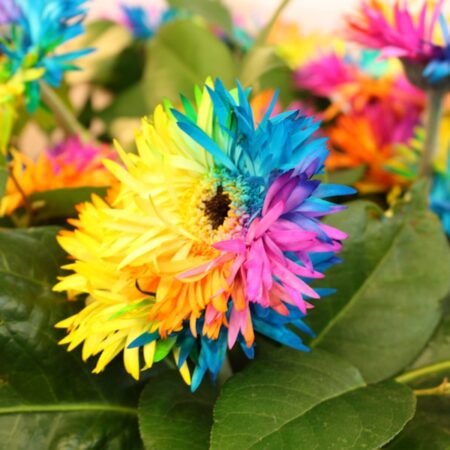
When creating a gift or bouquet with multiple colors, it’s essential to consider how these colors complement each other to create a visually appealing and harmonious combination. Understanding color theory can help you create the perfect color combination that resonates with the recipient and conveys the right message. For example, complementary colors such as red and green or blue and orange can create a vibrant and visually striking combination that evokes energy and excitement. On the other hand, analogous colors such as pink and purple or blue and green can create a more subtle and harmonious combination that evokes feelings of tranquility and serenity.
In addition to considering color theory, it’s also essential to consider the recipient’s personal preferences when creating a color combination. If the recipient has a favorite color or a strong preference for certain hues, incorporating these colors into the combination can make the gift even more personalized and meaningful. By carefully selecting and combining different colors, you can create a visually stunning bouquet or gift that resonates with the recipient on both an emotional and aesthetic level.
The Impact of Colour on Emotions
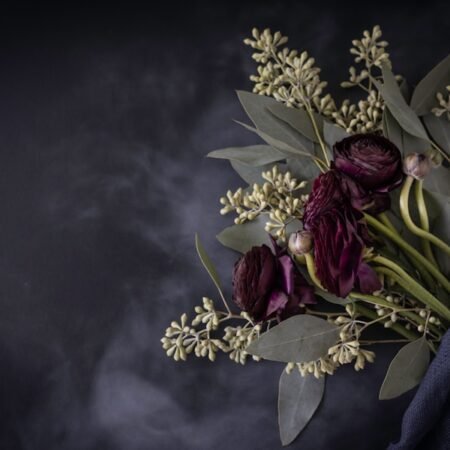
Colors have a profound impact on our emotions and can evoke specific feelings and moods. Understanding how different colors affect our emotions can help you select the perfect gift that resonates with the recipient on a deeper level. For example, warm colors such as red, orange, and yellow can evoke feelings of energy and excitement, making them a suitable choice for celebratory occasions or gifts aimed at promoting positivity. On the other hand, cool colors such as blue, green, and purple can evoke feelings of calmness and tranquility, making them a suitable choice for gifts aimed at promoting relaxation and peace of mind.
In addition to evoking specific emotions, colors can also influence our behavior and perception. For example, studies have shown that warm colors such as red can increase heart rate and stimulate appetite, making them a suitable choice for gifts aimed at promoting indulgence and enjoyment. On the other hand, cool colors such as blue can have a calming effect on our minds and bodies, making them a suitable choice for gifts aimed at promoting relaxation and stress relief. By understanding the impact of color on emotions and behavior, you can select the perfect gift that not only looks visually appealing but also resonates with the recipient on an emotional level.
Personalizing Your Flower Bouquet with Colour
Personalizing a flower bouquet with specific colors can add an extra layer of meaning and significance to the gift. By incorporating the recipient’s favorite colors or colors that hold special significance to them, you can create a bouquet that resonates with them on a personal level. For example, if the recipient has a favorite color or a strong preference for certain hues, incorporating these colors into the bouquet can make it even more meaningful and personalized. Additionally, you can also consider incorporating colors that hold special symbolism or meaning to the recipient, such as their birthstone color or their favorite flower color.
In addition to personalizing the bouquet with specific colors, you can also consider incorporating different textures and shapes to create a visually stunning arrangement. By combining flowers of different colors, shapes, and sizes, you can create a bouquet that is not only visually appealing but also unique and personalized. Additionally, you can also consider adding complementary elements such as ribbons or foliage to enhance the overall aesthetic of the bouquet. By personalizing your flower bouquet with specific colors and elements, you can create a gift that is not only beautiful but also deeply meaningful to the recipient.
Tips for Selecting the Perfect Flower Bouquet Based on Colour
When selecting a flower bouquet based on color, there are several tips to keep in mind to ensure that you choose the perfect arrangement for the occasion. Firstly, consider the recipient’s personal preferences and tastes when selecting a color. If they have a favorite color or a strong preference for certain hues, incorporating these colors into the bouquet can make it even more meaningful and personalized. Additionally, consider the occasion and the message you want to convey when selecting a color. Different colors are suitable for different occasions, so it’s essential to choose a color that resonates with the sentiment of the event.
In addition to considering personal preferences and occasion, it’s also essential to consider how different colors complement each other when creating a bouquet. Understanding color theory can help you create a visually appealing combination that evokes specific emotions and moods. For example, complementary colors such as red and green or blue and orange can create a vibrant and visually striking combination that evokes energy and excitement. On the other hand, analogous colors such as pink and purple or blue and green can create a more subtle and harmonious combination that evokes feelings of tranquility and serenity. By carefully considering these tips when selecting a flower bouquet based on color, you can ensure that you choose the perfect arrangement that resonates with the recipient on both an emotional and aesthetic level.
In conclusion, understanding the psychology of color in gift-giving is essential for selecting the perfect present that resonates with the recipient on an emotional level. Different flower colors carry unique meanings and symbolism, making them an important factor to consider when choosing a bouquet. By carefully selecting and combining different colors based on occasion and personal preferences, you can create a visually stunning arrangement that conveys the right message to the recipient. Personalizing your flower bouquet with specific colors adds an extra layer of meaning and significance to the gift, making it even more meaningful to the recipient. By following these tips for selecting the perfect flower bouquet based on color, you can ensure that you choose an arrangement that is not only visually appealing but also deeply meaningful to the recipient.