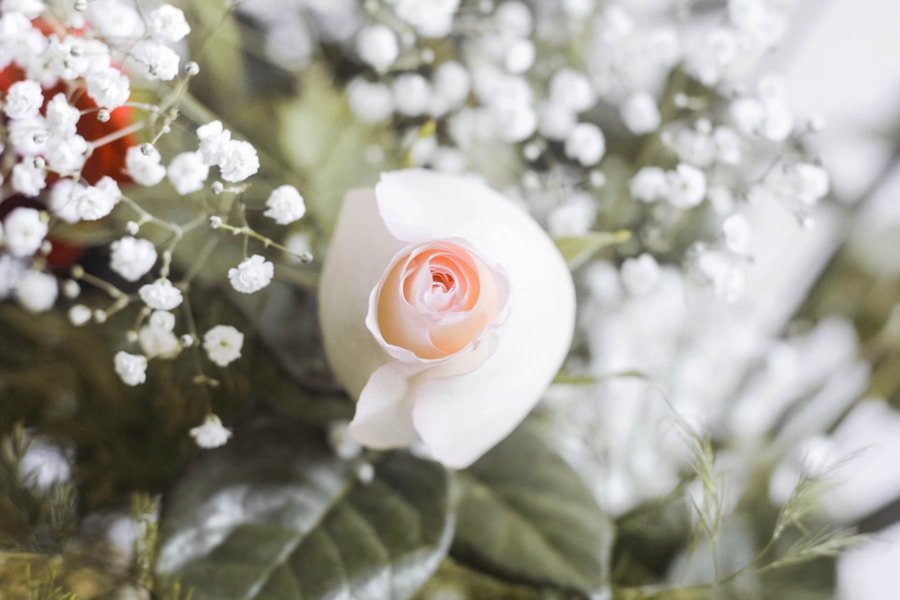

Flannel flowers, scientifically known as Actinotus helianthi, are a unique and beautiful species of flowering plants native to Australia. These delicate and dainty flowers are a member of the Apiaceae family and are commonly found in the coastal regions of New South Wales and Queensland. The name “flannel flower” is derived from the soft, velvety texture of the petals, which resemble the feel of flannel fabric. These charming flowers are a popular choice for gardeners and florists alike, due to their striking appearance and symbolic significance. With their ethereal beauty and cultural importance, flannel flowers have captured the hearts of many and continue to be celebrated for their unique qualities.
The Symbolism and Meaning of Flannel Flowers
Flannel flowers hold a special place in Australian culture and are often associated with purity, innocence, and new beginnings. These delicate blooms are often used in wedding bouquets and floral arrangements to symbolize the start of a new chapter in life. In addition to their association with new beginnings, flannel flowers also represent resilience and adaptability, as they are able to thrive in harsh coastal environments. The soft, velvety texture of the petals adds to the symbolism of comfort and tenderness, making flannel flowers a popular choice for expressing love and affection. In Indigenous Australian culture, flannel flowers hold spiritual significance and are often used in traditional ceremonies and rituals. The symbolism and meaning of flannel flowers have made them a beloved choice for various occasions and celebrations, further solidifying their cultural importance.
The Cultural Significance of Flannel Flowers
Flannel flowers have long been revered in Australian culture for their beauty and symbolic meaning. Indigenous Australians have used flannel flowers for medicinal purposes, as well as in traditional ceremonies and rituals. The soft, velvety texture of the petals has also made them a popular choice for crafting and adornment in Indigenous communities. In addition to their cultural significance, flannel flowers have become an iconic symbol of Australian flora and are often featured in art, literature, and design. Their delicate beauty and unique characteristics have captured the imagination of many, making them a beloved emblem of Australian identity. As a result, flannel flowers have become an integral part of Australian culture and continue to be celebrated for their beauty and symbolism.
The Botanical Characteristics of Flannel Flowers
Flannel flowers are characterized by their distinctive appearance, with clusters of small, white flowers surrounded by soft, velvety bracts. These bracts give the flowers their unique texture and are often mistaken for petals. The leaves of the flannel flower plant are deeply lobed and have a silvery-green hue, adding to the overall charm of the plant. Flannel flowers typically bloom in spring and summer, attracting bees and other pollinators with their sweet nectar. These plants are well-adapted to coastal environments, thriving in sandy soils and full sun. Flannel flowers are also known for their ability to self-seed, making them a resilient and low-maintenance addition to any garden. With their striking appearance and hardy nature, flannel flowers are a popular choice for both amateur and experienced gardeners.
The Conservation Efforts for Flannel Flowers
Despite their popularity, flannel flowers face threats from habitat loss, urban development, and climate change. As a result, conservation efforts have been put in place to protect these iconic Australian plants. Organizations such as the Australian Native Plants Society and the Australian Conservation Foundation work tirelessly to preserve the natural habitats of flannel flowers and other native flora. Efforts to raise awareness about the importance of preserving native plants have also led to increased public support for conservation initiatives. In addition to habitat protection, seed banking and propagation programs have been established to ensure the long-term survival of flannel flowers. By working together to protect these precious plants, conservationists are helping to safeguard the future of flannel flowers for generations to come.
The Use of Flannel Flowers in Art and Design
Flannel flowers have long been admired for their ethereal beauty and have inspired artists and designers around the world. Their delicate appearance and symbolic meaning make them a popular choice for floral arrangements, wedding bouquets, and decorative displays. In addition to their use in traditional floral design, flannel flowers have also been featured in contemporary art installations and fashion designs. Their soft, velvety texture and intricate details make them a captivating subject for photographers and painters alike. In recent years, there has been a resurgence of interest in native Australian flora, leading to an increased demand for flannel flowers in art and design. Their timeless appeal and cultural significance have cemented their status as a beloved symbol of Australian identity.
How to Grow and Care for Flannel Flowers
For those interested in cultivating their own flannel flowers, it is important to consider the specific growing conditions required for these plants. Flannel flowers thrive in well-drained soil with plenty of sunlight, making them an ideal choice for coastal gardens. When planting flannel flowers, it is important to ensure that they are not overwatered, as they prefer drier conditions. Regular pruning can help to promote healthy growth and prevent overcrowding. In terms of propagation, flannel flowers can be grown from seed or cuttings, making them a versatile addition to any garden. With proper care and attention, flannel flowers can thrive in a variety of settings, bringing their unique beauty and symbolism to any landscape. By following these simple guidelines, gardeners can enjoy the timeless allure of flannel flowers in their own outdoor spaces.
In conclusion, flannel flowers are a cherished symbol of Australian flora, with their delicate beauty and rich cultural significance capturing the hearts of many. From their symbolic meaning to their botanical characteristics, these charming plants continue to inspire artists, conservationists, and gardeners alike. With ongoing conservation efforts and increased public awareness, flannel flowers are poised to thrive for generations to come. Whether used in art and design or cultivated in gardens, these iconic Australian plants will continue to enchant and inspire all who encounter them.

Other Articles

Blooming in Australia: The Seasonality of Lunar New Year Flowers