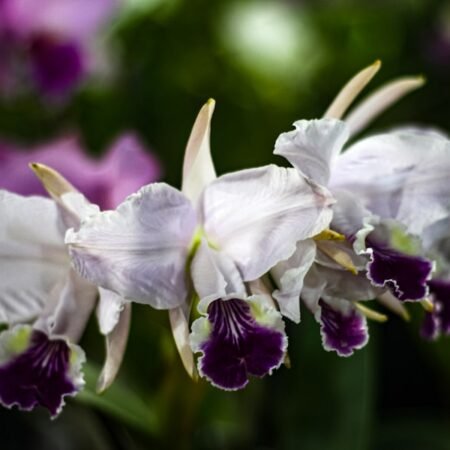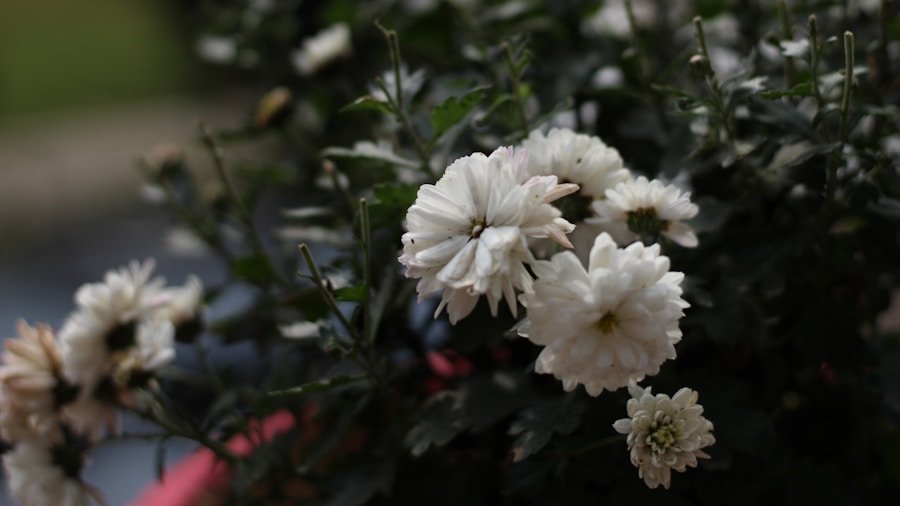

Freesia, a delicate and fragrant flower, has a rich and fascinating history that dates back to the 19th century. The flower was first discovered in South Africa by a German botanist named Friedrich Freese, after whom the flower is named. The first species of Freesia was brought to Europe in the early 1800s, where it quickly gained popularity for its beautiful and vibrant blooms. Since then, Freesia has become a beloved flower in gardens and floral arrangements around the world.
In the 19th century, Freesia became a symbol of friendship and trust, and it was often given as a gift to express these sentiments. The flower’s popularity continued to grow, and it soon became a staple in Victorian-era gardens, where it was prized for its sweet fragrance and elegant appearance. Today, Freesia is still widely cultivated and admired for its beauty and scent, making it a timeless and cherished flower.
The Science of Freesia’s Fragrance
The fragrance of Freesia is one of its most captivating features, and it is the result of a complex combination of chemical compounds. The scent of Freesia is often described as sweet, citrusy, and slightly spicy, with hints of floral and fruity notes. This unique combination of aromas is what makes Freesia’s fragrance so distinctive and alluring.
The primary compounds responsible for Freesia’s fragrance are terpenoids, which are organic compounds found in many plants and flowers. These terpenoids give Freesia its characteristic scent and are responsible for the flower’s ability to attract pollinators. In addition to terpenoids, Freesia also contains other aromatic compounds such as aldehydes, ketones, and esters, which contribute to its complex and multi-layered fragrance.
The Symbolism of Freesia in Different Cultures
Freesia holds different meanings and symbolism in various cultures around the world. In Victorian England, Freesia was often associated with trust and friendship, and it was commonly given as a gift to express these sentiments. In the language of flowers, or floriography, Freesia symbolized innocence and thoughtfulness, making it a popular choice for bouquets and floral arrangements.
In South Africa, where Freesia is native, the flower holds cultural significance and is often used in traditional ceremonies and rituals. In this context, Freesia symbolizes purity, beauty, and new beginnings, and it is often included in wedding bouquets and decorations. In other cultures, Freesia may hold different meanings, but it is universally admired for its beauty and fragrance.
The Emotional Impact of Freesia’s Scent
The scent of Freesia has a powerful emotional impact on those who encounter it. The sweet and uplifting fragrance of Freesia is known to evoke feelings of joy, happiness, and positivity. Many people find the scent of Freesia to be calming and soothing, making it a popular choice for aromatherapy and relaxation.
In addition to its calming effects, the scent of Freesia is also known to stimulate the senses and uplift the mood. The sweet and citrusy aroma of Freesia can help to alleviate stress and anxiety, making it a popular choice for use in essential oils and perfumes. Whether enjoyed in a bouquet or as an essential oil, the scent of Freesia has the power to uplift the spirit and bring a sense of joy to those who experience it.
Freesia in Aromatherapy and Perfumery
Freesia’s delightful fragrance has made it a popular choice for use in aromatherapy and perfumery. The sweet and uplifting scent of Freesia is known to have mood-boosting properties, making it a valuable ingredient in essential oils and fragrances. In aromatherapy, the scent of Freesia is often used to promote relaxation, reduce stress, and uplift the mood.
In perfumery, Freesia is prized for its unique and captivating fragrance, which adds a touch of elegance and sophistication to any perfume blend. The sweet and citrusy notes of Freesia make it a popular choice for use in floral perfumes, where it can add a fresh and feminine touch. Whether used in aromatherapy or perfumery, the scent of Freesia is cherished for its ability to evoke positive emotions and create a sense of well-being.
How to Care for Freesia Plants
Freesia plants are relatively easy to care for and can be grown both indoors and outdoors. When planting Freesia bulbs, it is important to choose a well-draining soil mix that is rich in organic matter. Freesia bulbs should be planted in the fall or early spring, in a location that receives full sun or partial shade.
Once planted, Freesia bulbs should be watered regularly to keep the soil moist but not waterlogged. During the growing season, it is important to fertilize Freesia plants every few weeks with a balanced fertilizer to promote healthy growth and abundant blooms. After flowering, the foliage should be allowed to die back naturally before the bulbs are lifted and stored for the next growing season.
Embracing the Hidden Meaning of Freesia’s Fragrance
In conclusion, the history, science, symbolism, emotional impact, and practical care of Freesia all contribute to its enduring popularity as a beloved flower. From its origins in South Africa to its widespread cultivation around the world, Freesia has captured the hearts of many with its delicate beauty and enchanting fragrance. Whether used in floral arrangements, aromatherapy, or perfumery, the sweet and uplifting scent of Freesia has the power to evoke positive emotions and create a sense of well-being.
As we continue to embrace the hidden meaning of Freesia’s fragrance, we can appreciate the cultural significance and emotional impact that this beautiful flower holds. Whether given as a gift or enjoyed in a garden or bouquet, the scent of Freesia has the ability to uplift the spirit and bring joy to those who encounter it. By understanding the history, science, symbolism, emotional impact, and care of Freesia, we can fully appreciate the beauty and significance of this timeless flower.