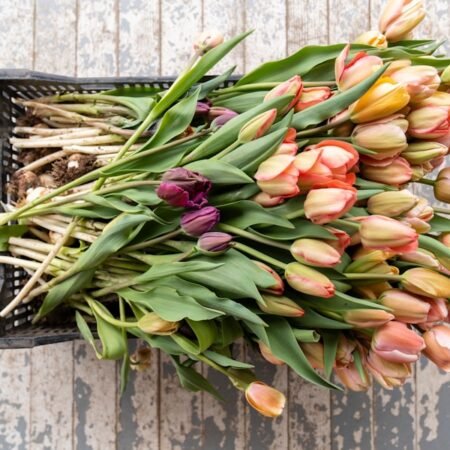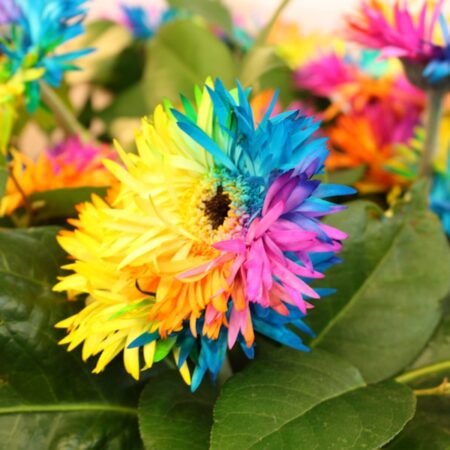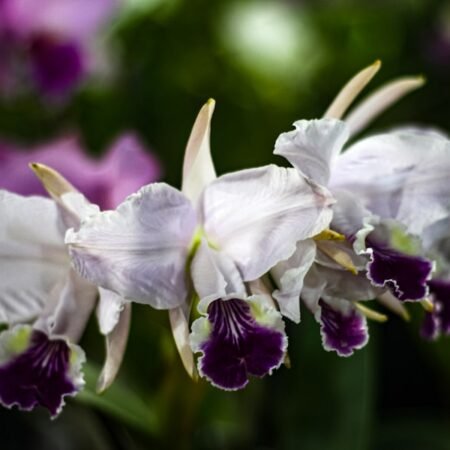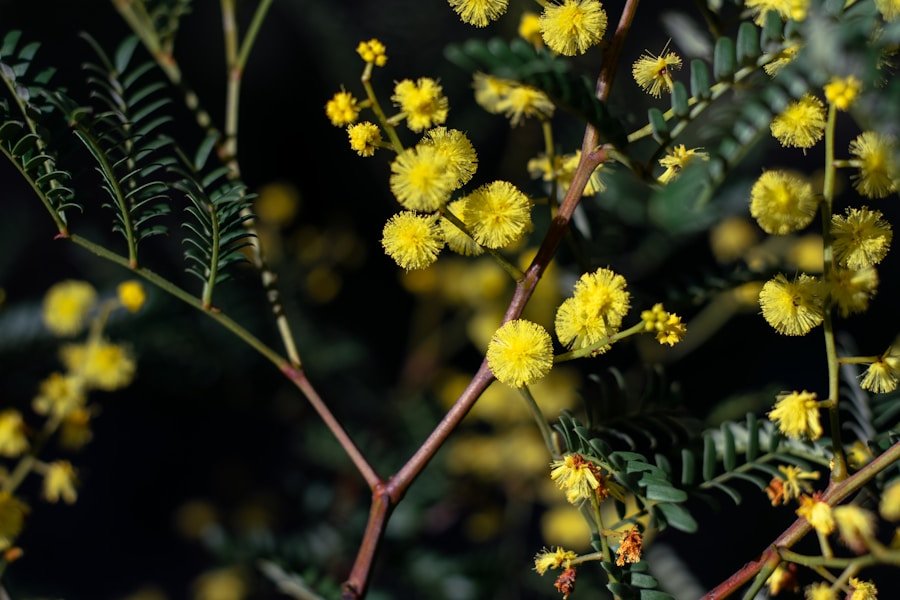

Australia’s wildflowers are not only beautiful to look at, but they also hold significant symbolism in the language of flowers. Each wildflower has its own unique meaning and can convey different emotions and messages. For example, the iconic Kangaroo Paw flower represents strength and power, making it a popular choice for bouquets and floral arrangements. The delicate and vibrant Sturt’s Desert Pea is a symbol of courage and survival, reflecting the resilience of the Australian spirit. Understanding the symbolism of Australia’s wildflowers adds an extra layer of appreciation for these stunning plants, and can also be used to convey meaningful messages in floral gifts and decorations.
In addition to their individual meanings, the language of flowers also encompasses the overall symbolism of wildflowers as a whole. Wildflowers are often associated with freedom, beauty, and the untamed spirit of nature. They are a reminder of the resilience and adaptability of life, as they thrive in some of the harshest environments on earth. The symbolism of Australia’s wildflowers reflects the country’s unique landscape and the strength of its people. Whether used in art, literature, or everyday life, the language of flowers adds depth and significance to the beauty of Australia’s wildflowers.
The Diversity of Australia’s Wildflowers: Exploring the Unique Varieties Across Different Regions
Australia is home to an incredible diversity of wildflowers, with over 20,000 species found across the country. Each region boasts its own unique varieties, adapted to the specific climate, soil, and environmental conditions. In Western Australia, the famous wildflower season from July to October showcases a stunning array of blooms, including the iconic Everlasting Daisies, Banksias, and Orchids. The southwest corner of Western Australia is recognized as one of the world’s biodiversity hotspots, with an abundance of unique and endemic wildflowers that attract visitors from around the globe.
Moving to the eastern states, the Australian Alps and Snowy Mountains are home to a different set of wildflowers, adapted to the alpine environment. Here, hikers and nature enthusiasts can spot rare species such as the Snow Daisy and Alpine Sunray, adding a splash of color to the rugged mountain landscape. In the arid regions of central Australia, hardy wildflowers such as Desert Pea and Spinifex add bursts of vibrant color to the red desert sands. The diversity of Australia’s wildflowers is a testament to the country’s rich natural heritage, and exploring the unique varieties across different regions offers a fascinating insight into the country’s floral landscape.
The Role of Wildflowers in Australia’s Ecosystem: How These Plants Support Biodiversity and Wildlife
Australia’s wildflowers play a crucial role in supporting biodiversity and wildlife across the country. As native plants, they have evolved alongside native animals and insects, providing essential food sources and habitats. Many species of birds, bees, butterflies, and other pollinators rely on wildflowers for nectar and pollen, helping to sustain healthy populations and diverse ecosystems. In turn, these pollinators play a vital role in the reproduction of wildflowers, ensuring their continued survival and genetic diversity.
Wildflowers also contribute to soil health and stability, with their deep root systems helping to prevent erosion and retain moisture in arid environments. Their presence can also support other plant species by providing shade, shelter, and nutrients. In some cases, wildflowers have even been used in land rehabilitation projects to restore degraded landscapes and support native flora and fauna. The role of wildflowers in Australia’s ecosystem is multifaceted and essential for maintaining healthy and resilient natural environments.
The Cultural Significance of Wildflowers in Australian Indigenous Traditions and Art
Wildflowers hold deep cultural significance in Australian Indigenous traditions and art, representing connections to country, stories, and spiritual beliefs. For thousands of years, Indigenous Australians have used wildflowers for food, medicine, tools, and ceremonial purposes. The knowledge of native plants and their uses has been passed down through generations, forming an integral part of Indigenous cultural heritage. In art and storytelling, wildflowers are often depicted as symbols of creation, renewal, and connection to the land.
The intricate patterns and vibrant colors of wildflowers have also inspired Indigenous art forms such as painting, weaving, and carving. Traditional artworks often feature depictions of native flora, including wildflowers such as Grevilleas, Waratahs, and Wattle flowers. These representations serve as a celebration of nature’s beauty and a reflection of the deep spiritual connection between Indigenous peoples and the land. The cultural significance of wildflowers in Australian Indigenous traditions and art highlights the importance of preserving these plants for future generations.
The Threats Facing Australia’s Wildflowers: Conservation Efforts and the Importance of Protecting These Plants
Despite their beauty and ecological importance, Australia’s wildflowers face a range of threats that put their survival at risk. Habitat loss due to urbanization, agriculture, and land clearing is one of the primary threats to wildflower populations. Climate change is also impacting wildflowers by altering rainfall patterns, increasing temperatures, and creating more frequent extreme weather events. Invasive species pose another threat by outcompeting native plants for resources and disrupting natural ecosystems.
Conservation efforts are underway to protect Australia’s wildflowers and ensure their continued survival. This includes initiatives such as habitat restoration, seed banking, captive breeding programs for rare species, and public education campaigns. National parks and reserves play a crucial role in providing protected areas for wildflowers to thrive, while community involvement in monitoring and conservation activities helps to raise awareness and support for these plants. The importance of protecting Australia’s wildflowers cannot be overstated, as they are not only valuable for their beauty but also for their role in supporting biodiversity and healthy ecosystems.
The Best Places to See Australia’s Wildflowers: Roadside and Meadow Hotspots for Wildflower Enthusiasts
For those eager to experience the beauty of Australia’s wildflowers firsthand, there are numerous hotspots across the country where these plants can be admired in their natural habitat. Western Australia’s Golden Outback region is renowned for its spectacular wildflower displays, with road trips such as the Wildflower Country Trail offering opportunities to see vast carpets of blooms stretching across the landscape. The Stirling Range National Park is another must-visit destination for wildflower enthusiasts, with over 1,500 species of plants including many rare and endemic varieties.
In New South Wales, the Blue Mountains National Park is home to a diverse range of wildflowers that bloom throughout the year, from delicate orchids to colorful waratahs. The Australian Capital Territory also boasts impressive displays of wildflowers in places such as Namadgi National Park and Tidbinbilla Nature Reserve. In Victoria, the Grampians National Park is a popular destination for wildflower spotting, with its rocky outcrops providing a stunning backdrop for floral displays. Whether exploring roadside verges or wandering through meadows and woodlands, there are countless opportunities to see Australia’s wildflowers in all their glory.
How to Grow and Care for Australia’s Wildflowers: Tips for Cultivating These Beautiful Plants in Your Own Garden
For those who want to bring a touch of Australia’s natural beauty into their own gardens, growing and caring for native wildflowers can be a rewarding experience. Many species are well-suited to garden cultivation, offering low-maintenance options for adding color and diversity to outdoor spaces. When selecting wildflower species for your garden, it’s important to choose varieties that are native to your specific region to ensure they are well-adapted to local conditions.
Once established, native wildflowers generally require minimal watering and maintenance compared to exotic species. They can attract pollinators such as bees and butterflies to your garden while providing food sources for native wildlife. To encourage healthy growth and flowering, it’s important to provide well-drained soil, adequate sunlight, and protection from pests and diseases. Regular pruning can help maintain plant health and shape while allowing for new growth each season.
In conclusion, Australia’s wildflowers are not only beautiful but also hold deep cultural significance and play a vital role in supporting biodiversity and healthy ecosystems. Understanding their symbolism, diversity across different regions, cultural significance in Indigenous traditions and art, threats they face, best places to see them in their natural habitat, as well as tips for growing them in your own garden can help foster appreciation for these stunning plants while contributing to their conservation and preservation for future generations to enjoy.