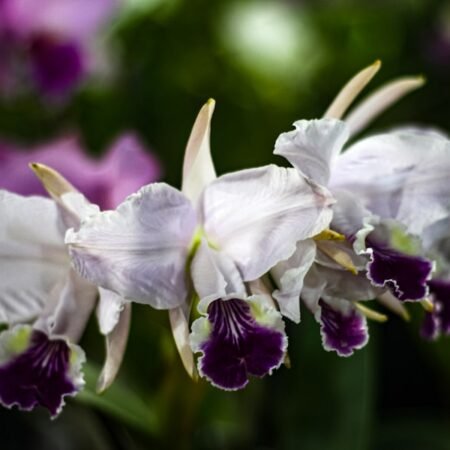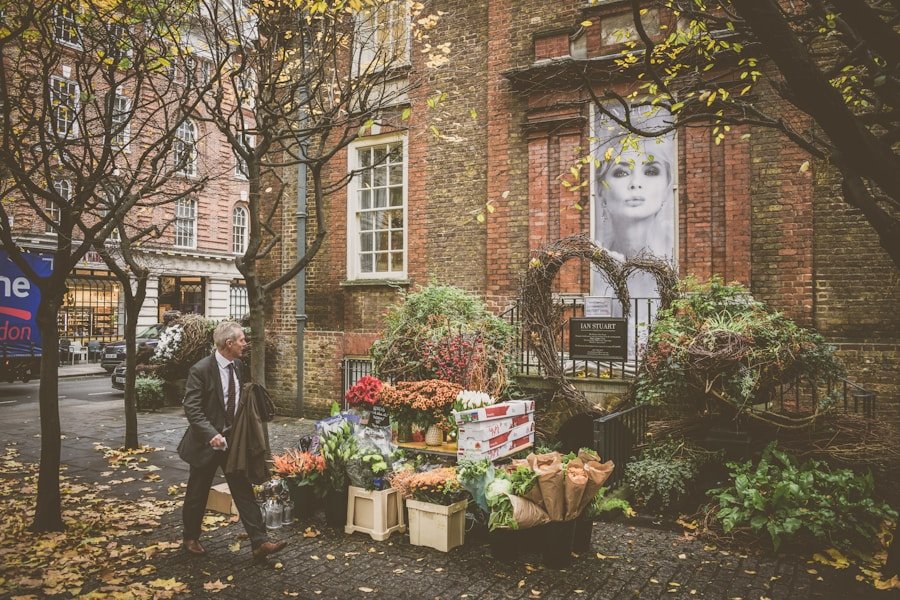

Autumn is a season of change, as the vibrant colors of summer fade into the warm hues of red, orange, and yellow. It is a time when nature prepares for the coming winter, and the landscape is transformed by the falling leaves and the blooming of autumn flowers. These flowers are a beautiful reminder of the changing seasons and are often used in floral arrangements to bring a touch of nature into our homes and celebrations. From the delicate chrysanthemums to the bold sunflowers, autumn flowers come in a variety of shapes, sizes, and colors, making them a popular choice for both indoor and outdoor decorations. In this article, we will explore the symbolic meanings of popular autumn flowers, how different cultures interpret the language of these flowers, their role in art and literature, and their significance in celebrations and festivals.
The Symbolic Meanings of Popular Autumn Flowers
Autumn flowers are not only visually stunning, but they also carry deep symbolic meanings that have been passed down through generations. One of the most popular autumn flowers is the chrysanthemum, which is often associated with longevity, joy, and fidelity. In Chinese culture, the chrysanthemum is a symbol of nobility and is often used in traditional art and literature to represent the virtues of a noble person. Another popular autumn flower is the sunflower, which is known for its bright yellow petals and its association with warmth, happiness, and adoration. Sunflowers are often used in floral arrangements to bring a sense of cheerfulness and positivity to any space. Additionally, the marigold is a common autumn flower that is often associated with the sun and is believed to bring good luck and prosperity. In Mexican culture, marigolds are used in Day of the Dead celebrations to honor deceased loved ones and guide their spirits back to the living world.
How Different Cultures Interpret the Language of Autumn Flowers
The language of flowers has been used for centuries as a way to convey emotions, sentiments, and messages without words. Different cultures have their own interpretations of the symbolic meanings of flowers, and this is especially true for autumn flowers. In Japan, for example, the chrysanthemum holds great significance as it is the symbol of the Imperial family and is often used in traditional Japanese art and textiles. In Western cultures, sunflowers are often associated with positivity and are used to convey feelings of adoration and loyalty. In Mexico, marigolds are used in Day of the Dead celebrations to honor deceased loved ones and guide their spirits back to the living world. The use of autumn flowers in different cultures reflects the unique ways in which people interpret and appreciate the beauty and symbolism of these blooms.
Using Autumn Flowers in Art and Literature
Autumn flowers have long been a source of inspiration for artists and writers, who have used their beauty and symbolism to create timeless works of art and literature. In paintings, autumn flowers are often depicted in lush landscapes or as part of still life compositions, capturing their vibrant colors and delicate petals. Artists such as Vincent van Gogh and Claude Monet were known for their use of sunflowers in their paintings, using them as a symbol of hope and optimism. In literature, autumn flowers are often used as metaphors for life, death, and rebirth. Writers such as William Wordsworth and Emily Dickinson have written poems that celebrate the beauty of autumn flowers and explore their deeper meanings. The use of autumn flowers in art and literature serves as a testament to their enduring appeal and significance in human culture.
Autumn Flower Arrangements and Their Symbolism
Floral arrangements are a popular way to showcase the beauty and symbolism of autumn flowers. Whether used for home decor, weddings, or other special occasions, autumn flower arrangements can convey a variety of emotions and messages. For example, a bouquet of chrysanthemums can symbolize longevity and joy, making it a popular choice for birthday celebrations or as a gift for loved ones. Sunflowers are often used in arrangements to convey feelings of adoration and warmth, making them a popular choice for weddings and anniversaries. Marigolds are often used in Day of the Dead celebrations to honor deceased loved ones and guide their spirits back to the living world. The careful selection and arrangement of autumn flowers can create a powerful visual impact that enhances the atmosphere of any event or space.
The Role of Autumn Flowers in Celebrations and Festivals
Autumn flowers play a significant role in various celebrations and festivals around the world. In Japan, the chrysanthemum is celebrated during the annual Chrysanthemum Festival, where elaborate floral displays are created to honor the Imperial family. In Mexico, marigolds are used in Day of the Dead celebrations to create vibrant altars that honor deceased loved ones. In Western cultures, sunflowers are often used in fall-themed weddings and Thanksgiving decorations to bring a touch of warmth and cheerfulness to the festivities. The use of autumn flowers in these celebrations reflects their cultural significance and their ability to evoke feelings of joy, remembrance, and gratitude.
Preserving the Symbolism of Autumn Flowers through Floral Traditions
Floral traditions play an important role in preserving the symbolism of autumn flowers and passing down their meanings from one generation to the next. In Japan, for example, the art of ikebana (flower arranging) has been practiced for centuries as a way to create harmonious floral compositions that reflect the changing seasons. In Mexico, families gather to create elaborate altars adorned with marigolds during Day of the Dead celebrations, keeping alive the tradition of honoring deceased loved ones with these vibrant blooms. In Western cultures, floral arrangements featuring autumn flowers are often used in traditional ceremonies such as weddings, funerals, and religious observances, serving as a way to connect with nature and express emotions through the language of flowers. These floral traditions help to preserve the symbolism of autumn flowers and ensure that their beauty and significance continue to be appreciated for generations to come.
In conclusion, autumn flowers hold deep symbolic meanings that have been cherished by different cultures around the world. From the elegant chrysanthemum to the cheerful sunflower and the vibrant marigold, these blooms have been used in art, literature, celebrations, and traditions as a way to convey emotions, honor traditions, and celebrate life’s milestones. Whether used in floral arrangements or as part of cultural festivals, autumn flowers continue to captivate us with their beauty and remind us of the ever-changing seasons of life.

Other Articles

Unspoken Emotions: The Power of Flowers to Convey Feelings