Flowers have been used for centuries to convey messages and emotions. Each type of flower has its own meaning, and the way they are arranged can also convey different messages. For example, red roses symbolize love and passion, while yellow roses symbolize friendship and joy. Understanding the language of flowers can help you choose the perfect blooms for any occasion. Whether you are sending a bouquet to a loved one or decorating your home, knowing the meanings behind different flowers can add an extra layer of thoughtfulness to your gift or decor.
In addition to the meanings of individual flowers, the way they are arranged can also convey different messages. For example, a bouquet with the flowers facing upwards can symbolize happiness and optimism, while a bouquet with the flowers facing downwards can symbolize sadness or sympathy. The colors of the flowers can also convey different emotions, with bright, vibrant colors representing joy and excitement, and softer, pastel colors representing calm and tranquility. By understanding the language of flowers, you can create arrangements that not only look beautiful but also carry a deeper meaning.
Creating a Welcoming Atmosphere with Blooms
One of the most common uses of flowers is to create a welcoming atmosphere in a home or other space. Whether you are hosting a dinner party, welcoming guests into your home, or simply want to add a touch of beauty to your living space, flowers can instantly elevate the atmosphere. By choosing the right blooms and arranging them thoughtfully, you can create a warm and inviting environment that will make everyone feel at ease.
When creating a welcoming atmosphere with blooms, it’s important to consider the overall aesthetic of the space. For a more formal setting, such as a dinner party or special event, you may want to choose more traditional blooms such as roses or lilies. For a more casual setting, such as a family gathering or everyday decor, you may want to opt for more relaxed and natural-looking blooms such as wildflowers or sunflowers. The way the flowers are arranged can also impact the atmosphere, with tight, formal arrangements creating a more elegant and refined feel, while loose, organic arrangements can create a more relaxed and casual vibe. By carefully selecting and arranging your blooms, you can create a welcoming atmosphere that sets the tone for any occasion.
Choosing Flowers to Reflect the Local Culture
When selecting flowers for a specific location or event, it’s important to consider the local culture and traditions. Different cultures have different meanings and associations with certain flowers, so it’s important to be mindful of these when choosing blooms for a particular setting. For example, in some cultures, white flowers are associated with mourning and are not appropriate for joyous occasions, while in other cultures, white flowers symbolize purity and are often used in wedding ceremonies. By taking the local culture into account when choosing flowers, you can ensure that your arrangements are respectful and appropriate for the setting.
In addition to considering the cultural meanings of different flowers, it’s also important to consider the availability of certain blooms in different regions. Some flowers may be more readily available in certain areas due to climate and growing conditions, so it’s important to choose blooms that are local and in season whenever possible. Not only does this support local growers and reduce the environmental impact of transporting flowers long distances, but it also ensures that your arrangements will be fresh and long-lasting. By choosing flowers that reflect the local culture and are in season, you can create arrangements that are not only beautiful but also respectful of the traditions and customs of the area.
Selecting Flowers for Different Rooms
Different rooms in a home or other space have different purposes and aesthetics, so it’s important to consider these factors when selecting flowers for each room. For example, in a living room or common area, you may want to choose larger, more dramatic blooms that make a statement and create a focal point in the room. In a bedroom or other private space, you may want to opt for more delicate and calming blooms that create a sense of tranquility and relaxation. By selecting flowers that complement the purpose and aesthetic of each room, you can create arrangements that enhance the overall ambiance of the space.
In addition to considering the purpose and aesthetic of each room, it’s also important to consider practical factors when selecting flowers for different rooms. For example, some rooms may have specific lighting or temperature conditions that can impact the longevity of certain blooms. Additionally, some rooms may have specific scent considerations, such as avoiding strong-smelling flowers in a dining room or kitchen where they could overpower the aroma of food. By taking these practical factors into account when selecting flowers for different rooms, you can ensure that your arrangements not only look beautiful but also thrive in their specific environment.
Considerations for Scent and Allergies
When selecting flowers for a home or other space, it’s important to consider scent and allergies. While many people enjoy the fragrance of fresh flowers, others may be sensitive to strong scents or have allergies that can be triggered by certain blooms. It’s important to be mindful of these considerations when choosing flowers for a space where they will be enjoyed by others. By selecting blooms with a mild or pleasant scent and avoiding those known to trigger allergies, you can ensure that your arrangements are enjoyed by everyone who encounters them.
In addition to considering scent and allergies when selecting flowers, it’s also important to consider how the fragrance of certain blooms will interact with the overall scent of a space. For example, in a kitchen or dining room where food aromas are prevalent, you may want to opt for more subtle or neutral-scented blooms that won’t compete with the aroma of cooking. In a bedroom or other private space where relaxation is key, you may want to choose calming scents such as lavender or chamomile that promote tranquility and restfulness. By considering scent and allergies when selecting flowers for a space, you can ensure that your arrangements not only look beautiful but also enhance the overall sensory experience.
Maintenance and Longevity of Flowers
Once you have selected and arranged your flowers, it’s important to consider their maintenance and longevity. Proper care and maintenance can help extend the life of your blooms and keep them looking fresh and beautiful for as long as possible. This includes regular watering, trimming of stems, and changing the water in vases to prevent bacteria growth. Additionally, some blooms may benefit from specific care techniques such as misting or refrigeration to keep them looking their best.
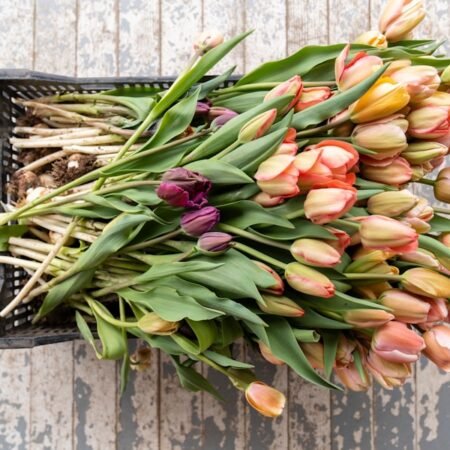
In addition to regular maintenance, it’s also important to consider the longevity of different types of flowers when selecting blooms for a specific setting. Some flowers have longer lifespans than others and may be better suited for arrangements that need to last for an extended period of time. For example, hardy blooms such as carnations or chrysanthemums are known for their longevity and resilience, making them ideal choices for long-lasting arrangements. On the other hand, delicate blooms such as peonies or tulips may have shorter lifespans but can still be enjoyed for several days with proper care. By considering maintenance and longevity when selecting flowers, you can ensure that your arrangements not only look beautiful initially but continue to bring joy for as long as possible.
Budget-Friendly Flower Options
While fresh flowers can add beauty and elegance to any space, they can also be expensive, especially if you are creating large arrangements or need blooms for multiple rooms or events. However, there are many budget-friendly flower options that allow you to enjoy the beauty of fresh blooms without breaking the bank. One option is to choose seasonal flowers that are readily available and less expensive due to their abundance. Seasonal blooms not only offer great value but also reflect the time of year and add a sense of freshness and authenticity to your arrangements.
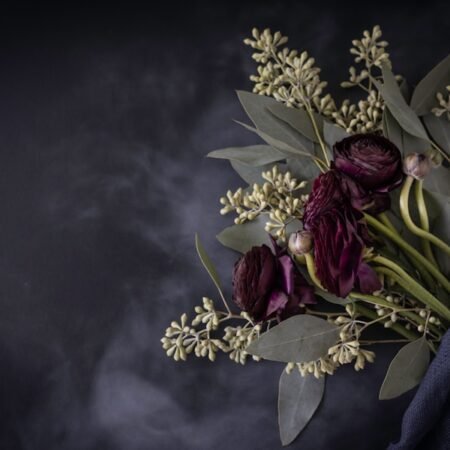
Another budget-friendly option is to choose smaller or more affordable blooms that can be combined to create larger arrangements without breaking the bank. For example, baby’s breath is an inexpensive filler flower that adds volume and texture to arrangements without adding significant cost. Similarly, greenery such as eucalyptus or ferns can be used to add depth and visual interest to arrangements at a fraction of the cost of larger blooms. By choosing budget-friendly flower options and being creative with your arrangements, you can enjoy the beauty of fresh blooms without exceeding your budget.
In conclusion, understanding the language of flowers can add depth and meaning to your arrangements, creating a welcoming atmosphere with blooms involves thoughtful selection and arrangement based on the purpose and aesthetic of each room or event space. Choosing flowers that reflect the local culture ensures that your arrangements are respectful and appropriate for the setting while considering scent and allergies ensures that your arrangements are enjoyed by everyone who encounters them. Maintenance and longevity are important factors in keeping your arrangements looking fresh and beautiful for as long as possible while budget-friendly flower options allow you to enjoy the beauty of fresh blooms without breaking the bank. By considering these factors when selecting and arranging flowers, you can create stunning arrangements that enhance any space or occasion while bringing joy to all who encounter them.