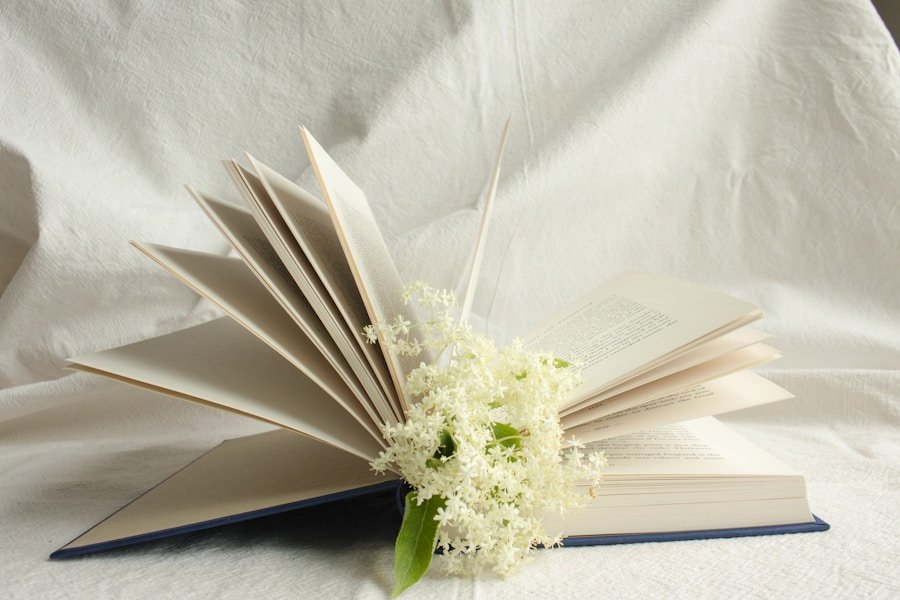

Flowers have been used as symbols in literature for centuries, with each flower carrying its own unique meaning and significance. This practice, known as the language of flowers, can be traced back to ancient civilizations such as the Greeks, Romans, and Egyptians. In the 19th century, the language of flowers became particularly popular in Victorian England, where it was used as a means of communication between lovers and friends. Each flower was assigned a specific meaning, allowing individuals to convey their emotions and sentiments through the gift of flowers. Today, the language of flowers continues to be a powerful literary device, with authors using floral symbolism to enhance themes, develop characters, and create a deeper emotional connection with readers.
The language of flowers is a rich and complex system that has been used to convey a wide range of emotions and sentiments. From love and passion to grief and sorrow, each flower carries its own unique meaning and symbolism. For example, the red rose is often associated with love and romance, while the lily is a symbol of purity and innocence. By incorporating these floral symbols into their works, authors are able to add depth and complexity to their storytelling, creating a more immersive and emotionally resonant experience for readers.
Historical Significance of Floral Symbolism in Literature
Floral symbolism has played a significant role in literature throughout history, with authors using flowers to convey deeper meanings and themes within their works. In ancient Greek and Roman mythology, flowers were often associated with gods and goddesses, representing various aspects of nature and the human experience. For example, the rose was sacred to the goddess Aphrodite, symbolizing love and beauty, while the poppy was associated with Morpheus, the god of dreams. These associations laid the groundwork for the use of floral symbolism in literature, with authors drawing on these ancient traditions to enrich their storytelling.
During the Victorian era, the language of flowers reached new heights of popularity, with floral symbolism becoming a central theme in literature and art. The publication of “The Language of Flowers” by Charlotte de Latour in 1819 further popularized the practice, providing readers with a comprehensive guide to the meanings and symbolism of various flowers. This led to a surge in the use of floral symbolism in literature, with authors such as Jane Austen, Emily Brontë, and Oscar Wilde incorporating flowers into their works to convey deeper emotional and thematic significance. Today, floral symbolism continues to be a powerful literary device, with contemporary authors drawing on this rich tradition to enhance their storytelling and create a more immersive reading experience for audiences.
Popular Flowers and their Meanings in Literary Works
In literature, certain flowers have become iconic symbols that carry specific meanings and associations. For example, the rose is perhaps the most well-known floral symbol, representing love, passion, and romance. In William Shakespeare’s “Romeo and Juliet,” the rose is used as a metaphor for love, with Juliet famously declaring “A rose by any other name would smell as sweet.” Similarly, in Nathaniel Hawthorne’s “The Scarlet Letter,” the rose is used to symbolize passion and desire, reflecting the illicit love affair between Hester Prynne and Arthur Dimmesdale.
Another popular flower with deep literary significance is the lily, which is often associated with purity, innocence, and spirituality. In F. Scott Fitzgerald’s “The Great Gatsby,” the lily is used to symbolize Daisy Buchanan’s beauty and allure, as well as her perceived innocence and purity. The use of floral symbolism in these works adds depth and complexity to the characters and themes, allowing readers to engage with the text on a deeper emotional level.
How Authors Use Floral Symbolism to Enhance Themes and Characters
Authors use floral symbolism in literature to enhance themes and develop characters in a variety of ways. One common technique is to use flowers as a metaphor for emotions or personality traits. For example, in Charlotte Brontë’s “Jane Eyre,” the character of Bertha Mason is associated with the madwoman in the attic, who is often described as having “flaming” red eyes. This imagery is evocative of the fiery passion and madness associated with the red poppy flower, adding depth and complexity to Bertha’s character.
Flowers can also be used to foreshadow events or symbolize larger thematic elements within a story. In John Steinbeck’s “The Grapes of Wrath,” the character of Rose of Sharon is associated with the eponymous flower, which symbolizes fertility and abundance. This imagery foreshadows Rose of Sharon’s eventual act of selflessness and sacrifice at the end of the novel, adding a layer of thematic resonance to her character arc.
Exploring the Role of Flowers in Book Club Reads
Floral symbolism can play a significant role in book club reads, providing readers with an opportunity to delve deeper into the themes and characters of a particular work. By exploring the use of flowers in literature, book club members can gain a greater understanding of the emotional and thematic resonance of a text, as well as its historical and cultural significance. This can lead to more meaningful discussions and a deeper appreciation for the literary work being studied.
In addition, exploring floral symbolism in book club reads can provide readers with a greater appreciation for the artistry and craft of the author. By examining how flowers are used to enhance themes and develop characters, book club members can gain insight into the author’s creative process and the deeper layers of meaning within the text. This can lead to a more enriching reading experience and a greater appreciation for the power of floral symbolism in literature.
Discussion Questions for Book Clubs to Explore Floral Symbolism
1. How does the use of floral symbolism enhance the themes and characters in the novel?
2. What are some examples of specific flowers being used as metaphors for emotions or personality traits?
3. How does the historical significance of floral symbolism add depth and complexity to the text?
4. What are some ways in which authors use flowers to foreshadow events or symbolize larger thematic elements within a story?
5. How does exploring floral symbolism enhance your understanding and appreciation of the literary work being studied?
The Enduring Power of Floral Symbolism in Literature
In conclusion, floral symbolism has played an enduring and significant role in literature throughout history. From ancient mythology to Victorian England and beyond, authors have used flowers to convey deeper meanings and themes within their works, creating a more immersive and emotionally resonant experience for readers. By exploring floral symbolism in book club reads, readers can gain a greater appreciation for the artistry and craft of the author, as well as a deeper understanding of the emotional and thematic resonance of a particular work. The language of flowers continues to be a powerful literary device that enriches storytelling and creates a more meaningful connection between authors and readers. As such, floral symbolism remains an enduring and impactful element of literature that continues to captivate audiences around the world.