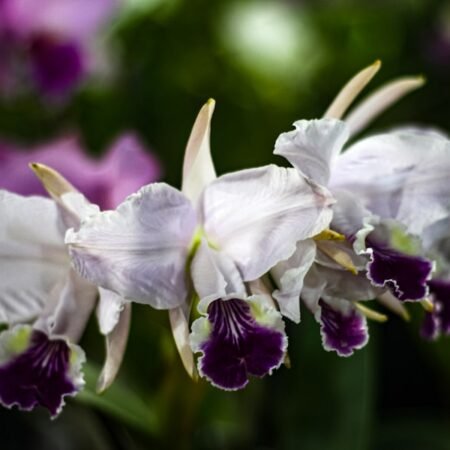

The language of flowers, also known as floriography, has a rich and fascinating history that dates back to ancient times. In many cultures, flowers have been used to convey messages and emotions, with each flower carrying its own unique symbolism. The practice of using flowers to communicate dates back to the Victorian era, when it became popular in England and the United States. During this time, people would use flowers to express feelings that could not be spoken aloud, such as love, friendship, or even disdain. This form of communication became so popular that entire dictionaries were created to help people understand the meanings behind different flowers. The language of flowers has continued to evolve over the years, with different cultures and regions adopting their own interpretations and symbolism for various blooms.
Floriography has been a part of human culture for centuries, with evidence of its use found in ancient Greek, Roman, and Egyptian civilizations. In these ancient societies, flowers were often used in religious ceremonies and rituals, with each bloom carrying its own spiritual significance. The practice of using flowers to convey messages also has roots in Eastern cultures, such as China and Japan, where certain flowers were used to symbolize specific virtues or emotions. As the practice of floriography spread throughout the world, it became a popular form of expression in many different cultures, each with its own unique interpretations and meanings for various flowers. Today, the language of flowers continues to be a powerful form of communication, with people using blooms to convey sentiments and emotions in a variety of settings.
The Unique Meanings of Flowers in New South Wales
In New South Wales, the language of flowers holds a special significance, with each bloom carrying its own unique meanings and symbolism. For example, the waratah, which is the state floral emblem of New South Wales, is often associated with strength and resilience. This vibrant red flower is a symbol of courage and determination, making it a popular choice for commemorating important events and honoring individuals who have shown great bravery. Another flower that holds special meaning in New South Wales is the flannel flower, which is often associated with purity and innocence. This delicate white bloom is often used to convey feelings of admiration and appreciation, making it a popular choice for expressing gratitude and affection.
In addition to these native blooms, many other flowers hold special significance in New South Wales. For example, the bluebell is often associated with constancy and everlasting love, making it a popular choice for weddings and anniversaries. The waratah, flannel flower, and bluebell are just a few examples of the many flowers that hold special meaning in New South Wales, each with its own unique symbolism and significance. Whether used in bouquets, floral arrangements, or as part of a larger garden display, these blooms continue to be an important part of the cultural landscape in New South Wales.
Exploring the Symbolism of Flowers in Victoria
In Victoria, the language of flowers is deeply rooted in tradition and symbolism, with each bloom carrying its own unique meanings and significance. For example, the pink heath is the state floral emblem of Victoria and is often associated with admiration and appreciation. This delicate pink flower is a symbol of grace and elegance, making it a popular choice for expressing feelings of gratitude and affection. Another flower that holds special meaning in Victoria is the blue gum blossom, which is often associated with strength and resilience. This vibrant bloom is a symbol of endurance and determination, making it a popular choice for commemorating important events and honoring individuals who have shown great bravery.
In addition to these native blooms, many other flowers hold special significance in Victoria. For example, the wattle is often associated with unity and friendship, making it a popular choice for celebrating community events and fostering connections between people. The pink heath, blue gum blossom, and wattle are just a few examples of the many flowers that hold special meaning in Victoria, each with its own unique symbolism and significance. Whether used in bouquets, floral arrangements, or as part of a larger garden display, these blooms continue to be an important part of the cultural landscape in Victoria.
The Language of Flowers in Queensland: A Cultural Perspective
In Queensland, the language of flowers holds a special significance, with each bloom carrying its own unique meanings and symbolism. For example, the Cooktown orchid is the state floral emblem of Queensland and is often associated with beauty and elegance. This delicate purple flower is a symbol of refinement and grace, making it a popular choice for expressing feelings of admiration and appreciation. Another flower that holds special meaning in Queensland is the golden wattle, which is often associated with resilience and strength. This vibrant yellow bloom is a symbol of endurance and determination, making it a popular choice for commemorating important events and honoring individuals who have shown great bravery.
In addition to these native blooms, many other flowers hold special significance in Queensland. For example, the red bottlebrush is often associated with passion and energy, making it a popular choice for celebrating love and romance. The Cooktown orchid, golden wattle, and red bottlebrush are just a few examples of the many flowers that hold special meaning in Queensland, each with its own unique symbolism and significance. Whether used in bouquets, floral arrangements, or as part of a larger garden display, these blooms continue to be an important part of the cultural landscape in Queensland.
Uncovering the Significance of Flowers in Western Australia
In Western Australia, the language of flowers is deeply rooted in tradition and symbolism, with each bloom carrying its own unique meanings and significance. For example, the red-and-green kangaroo paw is the state floral emblem of Western Australia and is often associated with diversity and unity. This vibrant flower is a symbol of harmony and connection, making it a popular choice for celebrating community events and fostering connections between people. Another flower that holds special meaning in Western Australia is the everlastings, which are often associated with endurance and everlasting love. These delicate blooms are a symbol of constancy and commitment, making them a popular choice for weddings and anniversaries.
In addition to these native blooms, many other flowers hold special significance in Western Australia. For example, the blue leschenaultia is often associated with tranquility and peace, making it a popular choice for expressing feelings of calmness and serenity. The red-and-green kangaroo paw, everlastings, and blue leschenaultia are just a few examples of the many flowers that hold special meaning in Western Australia, each with its own unique symbolism and significance. Whether used in bouquets, floral arrangements, or as part of a larger garden display, these blooms continue to be an important part of the cultural landscape in Western Australia.
The Symbolic Meanings of Flowers in South Australia
In South Australia, the language of flowers holds a special significance, with each bloom carrying its own unique meanings and symbolism. For example, the Sturt’s desert pea is the state floral emblem of South Australia and is often associated with courage and strength. This vibrant red flower is a symbol of resilience and determination, making it a popular choice for commemorating important events and honoring individuals who have shown great bravery. Another flower that holds special meaning in South Australia is the common everlasting, which is often associated with endurance and everlasting love. This delicate bloom is a symbol of constancy and commitment, making it a popular choice for weddings and anniversaries.
In addition to these native blooms, many other flowers hold special significance in South Australia. For example, the blue gum is often associated with tranquility and peace, making it a popular choice for expressing feelings of calmness and serenity. The Sturt’s desert pea, common everlasting, and blue gum are just a few examples of the many flowers that hold special meaning in South Australia, each with its own unique symbolism and significance. Whether used in bouquets, floral arrangements, or as part of a larger garden display, these blooms continue to be an important part of the cultural landscape in South Australia.
Tasmania’s Floral Language: Traditions and Interpretations
In Tasmania, the language of flowers holds a special significance, with each bloom carrying its own unique meanings and symbolism. For example, the Tasmanian blue gum is often associated with strength and resilience. This vibrant flower is a symbol of endurance and determination, making it a popular choice for commemorating important events and honoring individuals who have shown great bravery. Another flower that holds special meaning in Tasmania is the Tasmanian waratah, which is often associated with passion and energy. This bold red bloom is a symbol of vitality and enthusiasm, making it a popular choice for celebrating love and romance.
In addition to these native blooms, many other flowers hold special significance in Tasmania. For example, the pink heath is often associated with grace and elegance, making it a popular choice for expressing feelings of admiration and appreciation. The Tasmanian blue gum, Tasmanian waratah, and pink heath are just a few examples of the many flowers that hold special meaning in Tasmania, each with its own unique symbolism and significance. Whether used in bouquets, floral arrangements or as part of a larger garden display these blooms continue to be an important part of the cultural landscape in Tasmania.
In conclusion, the language of flowers holds deep cultural significance across Australia’s various states and territories. Each region has its own unique interpretations and symbolism for different blooms that reflect their history, traditions, and values. From New South Wales to Tasmania, flowers continue to be an important form of communication that conveys sentiments and emotions in various settings. Whether used for celebrations or commemorations or simply as expressions of love or gratitude, the language of flowers remains an enduring aspect of Australian culture that connects people through nature’s beauty and symbolism.