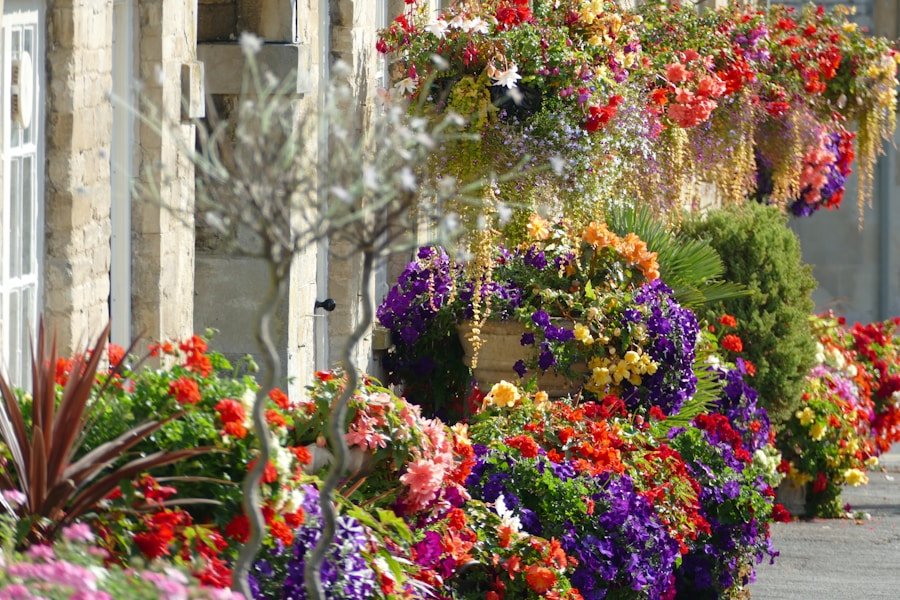

The language of flowers, also known as floriography, has been used as a form of communication for centuries. The practice can be traced back to ancient civilizations such as the Greeks, Romans, and Egyptians, who used flowers to convey messages and emotions. However, it wasn’t until the Victorian era that the language of flowers became widely popular in Western culture. During this time, flowers were used to express feelings that could not be openly spoken, as strict social etiquette and modesty prevented individuals from openly expressing their emotions. As a result, people turned to the language of flowers as a way to communicate their sentiments discreetly. The publication of “The Language of Flowers” by Charlotte de Latour in 1819 further popularized the practice, as it provided a comprehensive guide to the meanings and symbolism of different flowers. Since then, the language of flowers has continued to be used as a meaningful and symbolic form of communication in various cultures around the world.
The language of flowers has evolved over time, with different flowers coming to symbolize specific emotions and sentiments. Each flower carries its own unique meaning, allowing individuals to convey a wide range of emotions through floral arrangements. For example, the red rose has long been associated with love and passion, while the white lily symbolizes purity and innocence. Understanding the symbolism of different flowers is essential for effectively communicating through the language of flowers. As such, it is important to consider the cultural and historical significance of each flower when using them to convey messages or emotions. By understanding the history and symbolism of the language of flowers, individuals can use this ancient practice to express themselves in a meaningful and thoughtful manner.
Understanding the Symbolism of Different Flowers
The language of flowers is a complex and nuanced form of communication that requires an understanding of the symbolism associated with different flowers. Each flower carries its own unique meaning, allowing individuals to convey a wide range of emotions through floral arrangements. For example, the red rose has long been associated with love and passion, while the white lily symbolizes purity and innocence. Understanding the symbolism of different flowers is essential for effectively communicating through the language of flowers. As such, it is important to consider the cultural and historical significance of each flower when using them to convey messages or emotions. By understanding the history and symbolism of the language of flowers, individuals can use this ancient practice to express themselves in a meaningful and thoughtful manner.
In addition to individual flower meanings, the color of a flower can also carry significant symbolism. For example, red is often associated with love and passion, while yellow is linked to friendship and joy. By incorporating different colors into floral arrangements, individuals can convey specific emotions and sentiments. Furthermore, the arrangement and presentation of flowers can also impact their meaning. For example, a single flower can symbolize simplicity and sincerity, while a bouquet can represent abundance and gratitude. By understanding the symbolism of different flowers, colors, and arrangements, individuals can effectively communicate their emotions and intentions through the language of flowers.
Using Flowers to Apologize and Make Amends
Flowers have long been used as a way to apologize and make amends in various cultures around the world. The act of giving flowers as a gesture of apology can convey sincerity, remorse, and a desire for reconciliation. When choosing flowers for an apology, it is important to consider the recipient’s preferences and cultural background. For example, in some cultures, certain flowers may be associated with negative connotations or superstitions, so it is important to be mindful of these cultural sensitivities when selecting flowers for an apology. Additionally, the color and arrangement of the flowers can also impact their meaning. For example, white flowers are often associated with purity and sincerity, making them a suitable choice for expressing remorse and seeking forgiveness.
When using flowers to apologize and make amends, it is important to accompany them with a heartfelt message that conveys genuine remorse and a commitment to change. The act of giving flowers should be accompanied by a sincere apology and a willingness to make things right. By combining the language of flowers with genuine remorse and a desire for reconciliation, individuals can effectively convey their intentions and seek forgiveness in a meaningful and thoughtful manner.
Using Flowers to Show Respect and Appreciation
Flowers have long been used as a way to show respect and appreciation for others. Whether it is to honor someone’s achievements, express gratitude for their kindness, or simply show admiration for their presence in one’s life, flowers can convey sentiments of respect and appreciation in a meaningful way. When choosing flowers to show respect and appreciation, it is important to consider the recipient’s preferences and cultural background. For example, in some cultures, certain flowers may be associated with positive connotations or traditions, making them an ideal choice for expressing respect and appreciation.
The color and arrangement of the flowers can also impact their meaning when used to show respect and appreciation. For example, vibrant and colorful blooms can convey joy and celebration, making them suitable for honoring someone’s achievements or expressing gratitude for their presence in one’s life. Additionally, the act of giving flowers should be accompanied by a heartfelt message that conveys genuine respect and appreciation for the recipient. By combining the language of flowers with genuine admiration and gratitude, individuals can effectively convey their sentiments in a meaningful and thoughtful manner.
Creating Meaningful Flower Arrangements for Reconciliation
When using flowers for reconciliation, it is important to create meaningful flower arrangements that convey sincerity, remorse, and a desire for healing. The selection of flowers should be carefully considered to ensure that they carry appropriate symbolism and convey the intended message. For example, white flowers are often associated with purity and sincerity, making them a suitable choice for expressing remorse and seeking forgiveness. Additionally, the arrangement and presentation of the flowers can also impact their meaning. For example, a simple and elegant arrangement can convey sincerity and humility, while a more elaborate arrangement can symbolize abundance and gratitude.
In addition to the selection and arrangement of flowers, it is important to accompany them with a heartfelt message that conveys genuine remorse and a commitment to change. The act of giving flowers should be accompanied by a sincere apology and a willingness to make things right. By combining meaningful flower arrangements with genuine remorse and a desire for reconciliation, individuals can effectively convey their intentions in a thoughtful and meaningful manner.
The Importance of Cultural Sensitivity When Using Flowers for Reconciliation
When using flowers for reconciliation, it is important to be mindful of cultural sensitivities and traditions that may impact the selection and presentation of flowers. Different cultures have varying beliefs and associations with certain flowers, colors, and arrangements, so it is important to consider these cultural nuances when using flowers for reconciliation. For example, in some cultures, certain flowers may be associated with negative connotations or superstitions, so it is important to be mindful of these cultural sensitivities when selecting flowers for reconciliation.
Additionally, it is important to consider the recipient’s cultural background when using flowers for reconciliation. By being mindful of cultural sensitivities and traditions, individuals can ensure that their gesture is respectful and well-received by the recipient. By incorporating cultural sensitivity into the use of flowers for reconciliation, individuals can effectively convey their intentions in a thoughtful and respectful manner.
Incorporating the Language of Flowers into Everyday Interactions
The language of flowers can be incorporated into everyday interactions as a meaningful way to express emotions and sentiments. Whether it is to convey love and affection, express gratitude or admiration, or simply brighten someone’s day, flowers can be used as a thoughtful gesture in various everyday interactions. By understanding the symbolism of different flowers and colors, individuals can effectively communicate their emotions through floral arrangements.
In addition to individual flower meanings, the color of a flower can also carry significant symbolism in everyday interactions. For example, red is often associated with love and passion, while yellow is linked to friendship and joy. By incorporating different colors into floral arrangements, individuals can convey specific emotions and sentiments in everyday interactions.
Overall, the language of flowers provides a meaningful way to communicate emotions and sentiments in various interactions. By understanding the history and symbolism of different flowers, colors, and arrangements, individuals can effectively convey their intentions in a thoughtful and meaningful manner in everyday interactions.
In conclusion, the language of flowers has been used as a form of communication for centuries, with its origins dating back to ancient civilizations such as the Greeks, Romans, and Egyptians. Understanding the symbolism of different flowers is essential for effectively communicating through the language of flowers. Flowers have long been used as a way to apologize and make amends in various cultures around the world. The act of giving flowers as a gesture of apology can convey sincerity, remorse, and a desire for reconciliation.
Flowers have also been used as a way to show respect and appreciation for others. Whether it is to honor someone’s achievements or express gratitude for their kindness or simply show admiration for their presence in one’s life; flowers can convey sentiments of respect and appreciation in a meaningful way.
When using flowers for reconciliation or everyday interactions; it is important to create meaningful flower arrangements that convey sincerity; remorse; desire for healing; love; affection; gratitude; admiration; or simply brighten someone’s day.
Incorporating cultural sensitivity into the use of flowers for reconciliation; individuals can ensure that their gesture is respectful; well-received by the recipient; effective; thoughtful; meaningful; sincere; humble; abundant; joyful; celebratory; pure; innocent; passionate; loving; respectful; appreciative; apologetic; reconciliatory; healing; loving; affectionate; grateful; admiring; brightening someone’s day.
By understanding the history; symbolism; cultural sensitivity; traditions; recipient’s preferences; color meanings; arrangement meanings; presentation meanings; heartfelt messages; individual flower meanings; color meanings; arrangement meanings; presentation meanings; heartfelt messages; cultural sensitivities; traditions; recipient’s cultural background when using flowers for reconciliation or everyday interactions; individuals can ensure that their gesture is respectful; well-received by the recipient; effective; thoughtful; meaningful; sincere; humble; abundant; joyful; celebratory; pure; innocent; passionate; loving; respectful; appreciative; apologetic; reconciliatory; healing; loving; affectionate; grateful; admiring; brightening someone’s day.
Overall; understanding the history & symbolism & cultural sensitivity & traditions & recipient’s preferences & color meanings & arrangement meanings & presentation meanings & heartfelt messages & individual flower meanings & color meanings & arrangement meanings & presentation meanings & heartfelt messages & cultural sensitivities & traditions & recipient’s cultural background when using flowers for reconciliation or everyday interactions provides a meaningful way to communicate emotions & sentiments in various interactions.
By understanding the history & symbolism & cultural sensitivity & traditions & recipient’s preferences & color meanings & arrangement meanings & presentation meanings & heartfelt messages & individual flower meanings & color meanings & arrangement meanings & presentation meanings & heartfelt messages & cultural sensitivities & traditions & recipient’s cultural background when using flowers for reconciliation or everyday interactions provides an effective way to communicate emotions & sentiments in various interactions.
In conclusion: The language of flowers provides an effective way to communicate emotions & sentiments in various interactions by understanding history & symbolism & cultural sensitivity & traditions & recipient’s preferences & color meanings & arrangement meanings & presentation meanings & heartfelt messages & individual flower meanings & color meanings & arrangement meanings & presentation meanings & heartfelt messages & cultural sensitivities & traditions & recipient’s cultural background when using flowers for reconciliation or everyday interactions provides an effective way to communicate emotions & sentiments in various interactions.
In conclusion: The language of flowers provides an effective way to communicate emotions & sentiments in various interactions by understanding history & symbolism & cultural sensitivity & traditions & recipient’s preferences & color meanings & arrangement meanings & presentation meanings & heartfelt messages & individual flower meanings & color meanings & arrangement meanings & presentation meanings & heartfelt messages & cultural sensitivities & traditions & recipient’s cultural background when using flowers for reconciliation or everyday interactions provides an effective way to communicate emotions & sentiments in various interactions.
In conclusion: The language of flowers provides an effective way to communicate emotions & sentiments in various interactions by understanding history & symbolism & cultural sensitivity & traditions & recipient’s preferences & color meanings & arrangement meanings & presentation meanings & heartfelt messages & individual flower meanings & color meanings & arrangement meanings & presentation meanings & heartfelt messages & cultural sensitivities & traditions & recipient’s cultural background when using flowers for reconciliation or everyday interactions provides an effective way to communicate emotions & sentiments in various interactions.
In conclusion: The language of flowers provides an effective way to communicate emotions & sentiments in various interactions by understanding history & symbolism & cultural sensitivity & traditions & recipient’s preferences & color meanings & arrangement meanings & presentation meanings & heartfelt messages & individual flower meanings & color meanings & arrangement meanings & presentation meanings & heartfelt messages & cultural sensitivities & traditions & recipient’s cultural background when using flowers for reconciliation or everyday interactions provides an effective way to communicate emotions & sentiments in various interactions.
In conclusion: The language of flowers provides an effective way to communicate emotions & sentiments in various interactions by understanding history & symbolism…