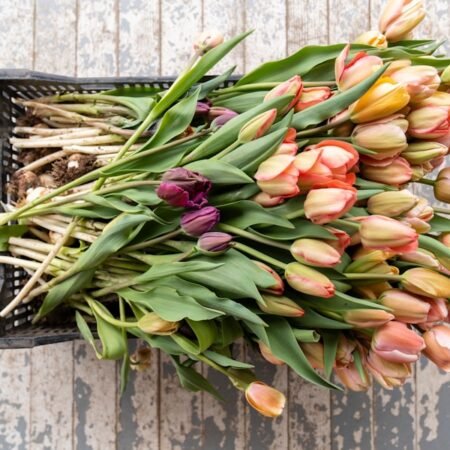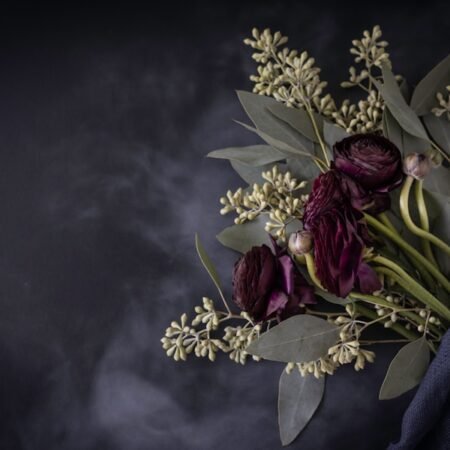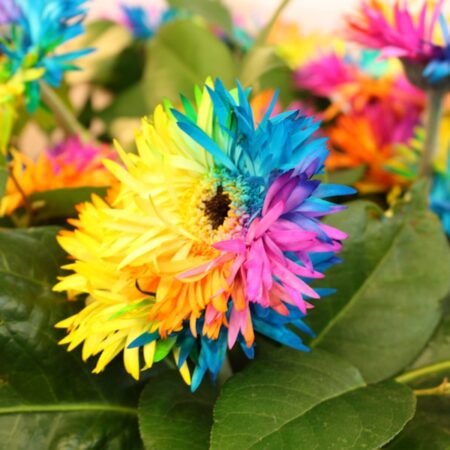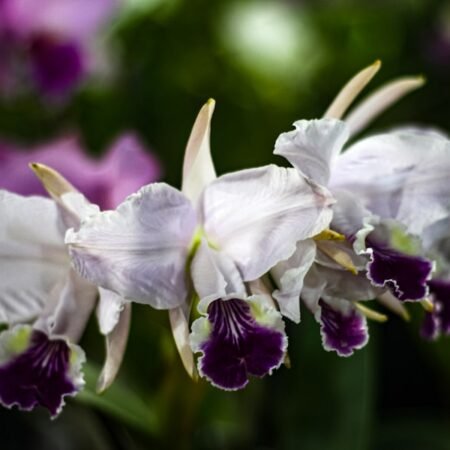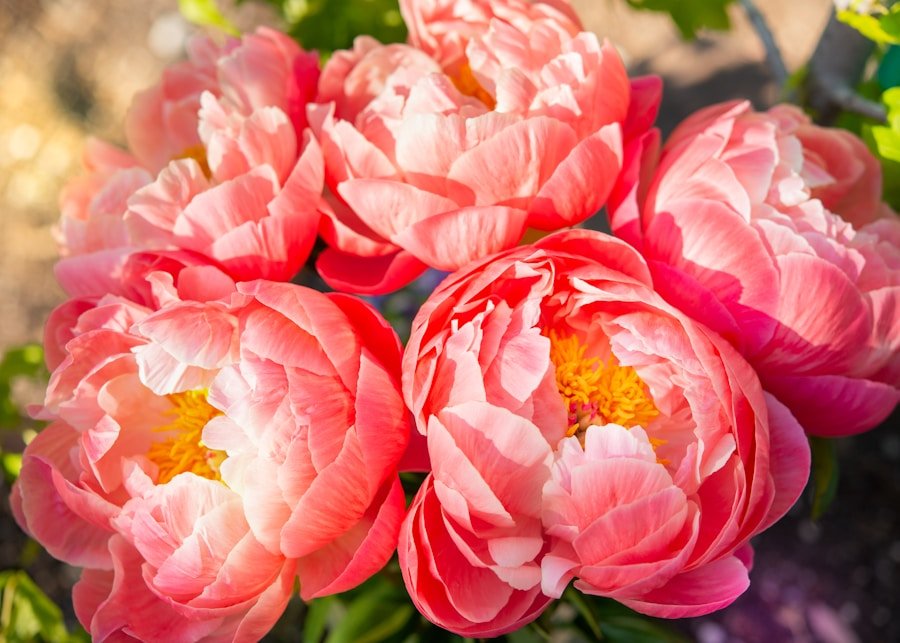

The language of flowers, also known as floriography, has been used as a form of communication for centuries. The practice can be traced back to ancient civilizations such as the Greeks, Romans, and Egyptians, who used flowers to convey messages and emotions. However, it was during the Victorian era in the 19th century that the language of flowers reached its peak in popularity. During this time, flowers were used to express sentiments that could not be spoken aloud, and entire dictionaries were created to help people understand the meanings behind different blooms. This allowed individuals to send secret messages through the arrangement and selection of flowers, making it a popular form of communication in both romantic and platonic relationships.
The language of flowers has continued to evolve over time, with different cultures and regions adopting their own symbolic meanings for various blooms. In Australia, the language of flowers has become an integral part of the country’s culture and traditions, with many popular flowers holding significant symbolic meanings. From the waratah, which symbolizes unity and strength, to the kangaroo paw, which represents diversity and creativity, the language of flowers has played a crucial role in Australian society.
Symbolic Meanings of Popular Flowers in Australia
In Australia, the language of flowers holds great significance, with many popular blooms carrying symbolic meanings that are deeply rooted in the country’s history and culture. For example, the waratah, which is native to Australia, is often associated with unity and strength. This is due to its striking red color and its ability to thrive in harsh conditions, making it a symbol of resilience and solidarity. Similarly, the kangaroo paw, with its unique shape and vibrant colors, represents diversity and creativity, reflecting the rich cultural tapestry of Australia.
Other popular flowers in Australia also hold symbolic meanings that are deeply ingrained in the country’s traditions. The golden wattle, for instance, is the national floral emblem of Australia and is often associated with resilience and endurance. Its bright yellow blooms symbolize optimism and hope, making it a popular choice for gifting during times of celebration or hardship. On the other hand, the Sturt’s desert pea, with its deep red petals and black center, is often seen as a symbol of courage and determination, reflecting the resilience of the Australian spirit.
How to Choose the Right Flowers for Friendship and Gifting
When it comes to choosing the right flowers for friendship and gifting in Australia, it is important to consider the symbolic meanings behind different blooms. For example, if you are looking to express gratitude and appreciation to a friend, you may consider gifting them a bouquet of golden wattle, which symbolizes optimism and hope. Similarly, if you want to convey a message of strength and unity, the waratah would be an ideal choice due to its symbolic meaning.
It is also important to consider the recipient’s personal preferences and tastes when choosing flowers for gifting. Some people may have a favorite flower that holds special significance to them, while others may have allergies or sensitivities to certain blooms. Taking these factors into account can help ensure that your gift is well-received and appreciated by the recipient. Additionally, considering the occasion for gifting can also help guide your choice of flowers. For example, if you are celebrating a friend’s birthday, you may opt for vibrant and cheerful blooms such as gerberas or sunflowers, while for a more somber occasion such as a funeral, white lilies or chrysanthemums may be more appropriate.
The Etiquette of Giving Flowers in Australia
In Australia, there are certain etiquette guidelines to consider when giving flowers as gifts. Firstly, it is important to consider the occasion and the relationship between the giver and recipient when choosing flowers. For example, when giving flowers to a romantic partner, red roses are often seen as a symbol of love and passion, while for a friend or family member, more casual blooms such as daisies or tulips may be more appropriate.
It is also customary to present flowers in odd numbers in Australia, as even numbers are often associated with funerals and are considered unlucky. Additionally, when presenting flowers as a gift, it is important to ensure that they are well-arranged and presented in a tasteful manner. This shows thoughtfulness and consideration on the part of the giver and adds to the overall impact of the gift.
The Role of Flowers in Australian Culture and Traditions
Flowers have played a significant role in Australian culture and traditions for centuries. From indigenous ceremonies to modern-day celebrations, flowers have been used to convey messages of love, gratitude, and remembrance. In indigenous Australian culture, flowers have been used in traditional ceremonies and rituals as offerings to ancestors and spirits. For example, the Sturt’s desert pea holds great significance in indigenous culture and is often used in ceremonies to symbolize courage and strength.
In modern Australian society, flowers continue to play an important role in various celebrations and events. From weddings to funerals, flowers are used to convey emotions and sentiments that words alone cannot express. For example, at weddings, flowers are used to decorate venues and bridal bouquets are carefully chosen to reflect the couple’s love and commitment. Similarly, at funerals, flowers are used to honor the memory of the deceased and provide comfort to grieving loved ones.
Modern Trends and Innovations in Flower Gifting
In recent years, there has been a rise in modern trends and innovations in flower gifting in Australia. With the advent of online florists and flower delivery services, it has become easier than ever to send flowers to loved ones across the country. This has allowed for greater accessibility and convenience when it comes to gifting flowers for various occasions.
Additionally, there has been a growing trend towards sustainable and eco-friendly flower gifting in Australia. Many florists now offer locally grown and seasonal blooms, reducing the carbon footprint associated with flower production and transportation. This shift towards sustainability reflects a growing awareness of environmental issues and a desire to support local growers and businesses.
The Language of Flowers in Australian Literature and Art
The language of flowers has also been a recurring theme in Australian literature and art. Many poets and writers have used flowers as symbols to convey deeper meanings and emotions in their works. For example, in Henry Lawson’s iconic poem “The Drover’s Wife,” the waratah is used as a symbol of resilience and endurance in the face of adversity.
In Australian art, flowers have been a popular subject for many artists throughout history. From traditional indigenous paintings to contemporary floral arrangements, flowers have been used as a means of expression and storytelling. For example, renowned Australian artist Margaret Preston often incorporated native Australian flora into her paintings as a way of celebrating the country’s unique natural beauty.
In conclusion, the language of flowers holds great significance in Australian culture and traditions. From its rich history to its symbolic meanings and modern trends, flowers continue to play an important role in conveying emotions and sentiments in various aspects of Australian society. Whether it be through gifting flowers for friendship or celebrating special occasions, the language of flowers remains an enduring form of communication that transcends words alone.