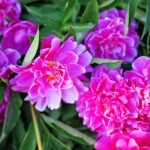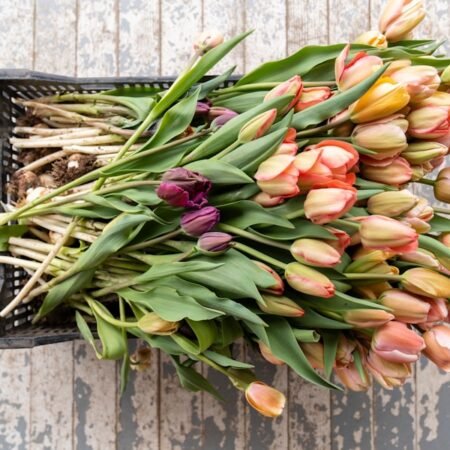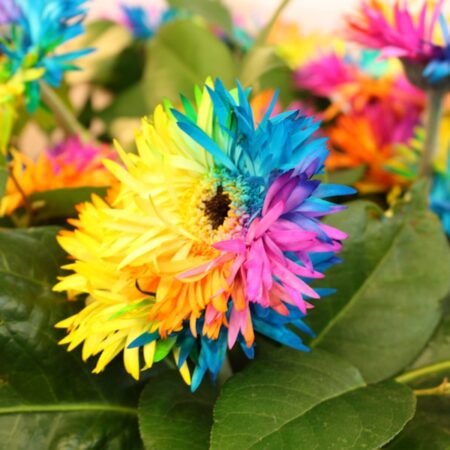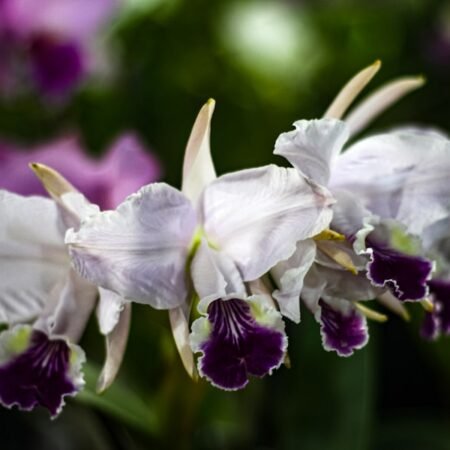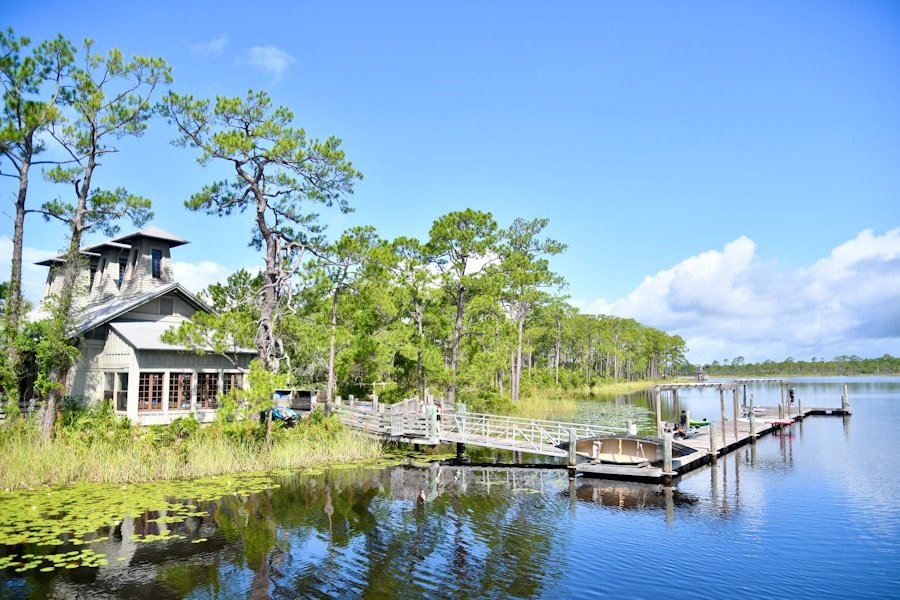

The language of flowers, also known as floriography, is a form of communication through the use of flowers and their symbolic meanings. This ancient practice dates back to the Victorian era, where flowers were used to convey messages and emotions that were otherwise difficult to express. Each flower holds a specific meaning, and when combined in a bouquet or garden, they can create a powerful and meaningful message. The language of flowers has been used in various cultures and traditions around the world, and it continues to be a popular and meaningful way to communicate through nature.
Flowers have been used as symbols of love, friendship, and gratitude for centuries, and the language of flowers has been an important part of human communication. The use of flowers to convey emotions and messages has been documented in ancient texts and folklore from around the world. In many cultures, specific flowers are associated with certain emotions or events, and they are used to express these feelings in a subtle and beautiful way. The language of flowers has evolved over time, but its significance and impact on human communication remain as strong as ever.
Historical Significance of Flower Symbolism
The historical significance of flower symbolism can be traced back to ancient civilizations, where flowers were used in religious ceremonies, rituals, and as symbols of power and beauty. In ancient Egypt, for example, lotus flowers were associated with rebirth and the sun god Ra, while in ancient Greece, the rose was a symbol of love and beauty. The use of flowers as symbols continued into the Middle Ages, where they were used in heraldry and as emblems of royalty and nobility.
During the Victorian era, the language of flowers reached its peak in popularity, with an entire lexicon of flower meanings being developed. This allowed people to communicate their feelings and emotions through the arrangement of flowers, creating a subtle and meaningful form of expression. The use of flower symbolism in art, literature, and everyday life became widespread during this time, and it continues to be a popular practice today. The historical significance of flower symbolism is a testament to the enduring power and beauty of nature, and its ability to convey deep emotions and messages.
Coastal Garden Plants and Their Symbolism
Coastal gardens are unique environments that are home to a wide variety of plants with their own symbolic meanings. From the vibrant colors of tropical flowers to the hardy succulents that thrive in sandy soil, coastal gardens offer a diverse array of plant life that can be used to convey different emotions and messages. For example, the hibiscus flower is often associated with beauty and femininity, making it a popular choice for coastal gardens. Similarly, the sea lavender is a symbol of calmness and tranquility, making it an ideal addition to a coastal garden.
In addition to their symbolic meanings, coastal garden plants also play a practical role in maintaining the health and beauty of the garden. Many coastal plants are well-adapted to the harsh conditions of saltwater, wind, and sun, making them resilient choices for gardeners looking to create a sustainable and low-maintenance garden. By incorporating these plants into their designs, gardeners can not only convey meaningful messages through flower symbolism but also create a thriving ecosystem that supports local wildlife and contributes to the overall health of the coastal environment.
How to Incorporate Flower Symbolism into Coastal Garden Design
Incorporating flower symbolism into coastal garden design can be a creative and rewarding process that adds depth and meaning to the space. One way to do this is by selecting plants with specific symbolic meanings and arranging them in a way that conveys a particular message or emotion. For example, combining roses, which symbolize love, with daisies, which symbolize innocence, can create a bouquet that represents pure and unconditional love. Similarly, using plants with calming or soothing symbolism, such as lavender or chamomile, can create a tranquil and peaceful atmosphere in the garden.
Another way to incorporate flower symbolism into coastal garden design is by using color theory to convey different emotions and moods. For example, warm colors like reds and oranges are often associated with passion and energy, while cool colors like blues and purples are associated with calmness and serenity. By carefully selecting plants with specific colors and arranging them in a way that creates a harmonious color palette, gardeners can create a visually stunning garden that also conveys meaningful messages through flower symbolism.
The Psychological Impact of Flower Symbolism in Coastal Gardens
The psychological impact of flower symbolism in coastal gardens is profound, as it can evoke strong emotions and create a sense of connection with nature. Research has shown that exposure to natural elements such as flowers can have a positive impact on mental health, reducing stress and anxiety while promoting feelings of happiness and well-being. By incorporating flower symbolism into coastal garden design, gardeners can create spaces that not only look beautiful but also have a positive impact on the mental and emotional well-being of those who visit them.
In addition to their aesthetic appeal, flowers have been shown to have a powerful effect on mood and emotion. Certain scents have been found to have calming or invigorating effects on the mind, while the visual beauty of flowers can evoke feelings of joy, awe, and inspiration. By carefully selecting plants with specific symbolic meanings and arranging them in a way that creates a harmonious and visually appealing garden, gardeners can create spaces that have a profound psychological impact on those who experience them.
Cultural Differences in Flower Symbolism
While many flowers hold universal meanings across different cultures, there are also significant differences in flower symbolism that vary from region to region. For example, in Western cultures, red roses are commonly associated with love and romance, while in Eastern cultures, they may be seen as symbols of luck or prosperity. Similarly, the lotus flower holds different meanings in different cultures; in Hinduism and Buddhism, it is a symbol of purity and enlightenment, while in ancient Egypt it was associated with rebirth and creation.
Understanding these cultural differences in flower symbolism is important for gardeners looking to incorporate meaningful messages into their designs. By researching the symbolic meanings of different flowers in various cultures, gardeners can create gardens that resonate with people from diverse backgrounds and convey messages that are universally understood. This cultural awareness adds depth and richness to coastal garden designs, creating spaces that are not only visually stunning but also deeply meaningful on a cultural level.
Preserving and Reviving the Language of Flowers in Coastal Gardens
As interest in flower symbolism continues to grow, there is a renewed effort to preserve and revive the language of flowers in coastal gardens. This includes educating gardeners about the symbolic meanings of different plants and encouraging them to incorporate these meanings into their designs. By understanding the historical significance of flower symbolism and its cultural variations, gardeners can create gardens that are not only visually appealing but also deeply meaningful on an emotional and cultural level.
One way to preserve and revive the language of flowers in coastal gardens is by creating educational programs and resources that teach people about the symbolic meanings of different plants. This can include workshops, classes, and online resources that provide information about the history of flower symbolism and how it can be incorporated into modern garden designs. By empowering gardeners with this knowledge, we can ensure that the language of flowers continues to thrive in coastal gardens for generations to come.
In conclusion, the language of flowers has a rich historical significance that spans across cultures and time periods. By understanding the symbolic meanings of different plants and incorporating them into coastal garden designs, we can create spaces that are not only visually stunning but also deeply meaningful on an emotional and cultural level. As interest in flower symbolism continues to grow, there is a renewed effort to preserve and revive this ancient practice in coastal gardens through education and awareness. By doing so, we can ensure that the language of flowers continues to thrive for generations to come.

Other Articles