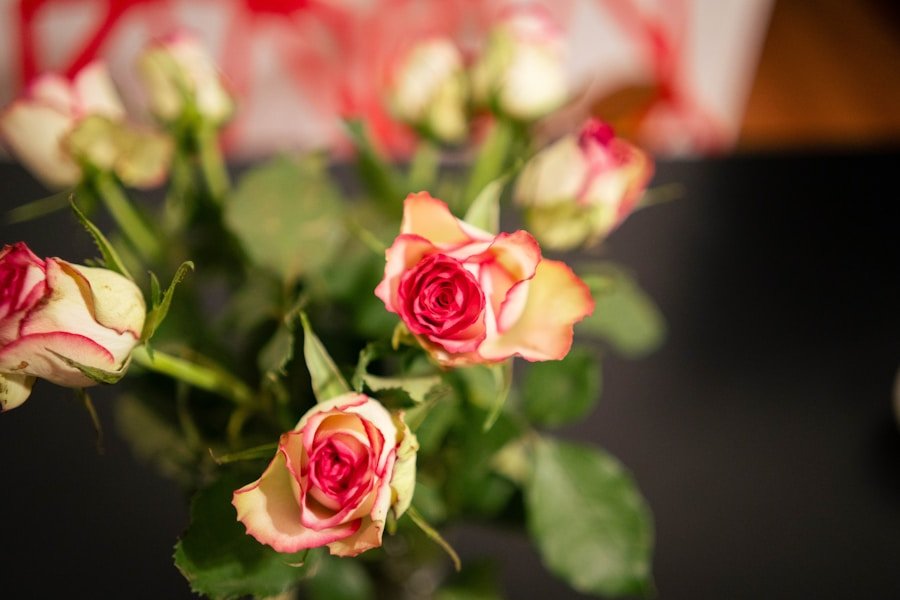

The language of flowers, also known as floriography, is a form of communication through the use of flowers and floral arrangements. This unique form of communication dates back to ancient times and has been used in various cultures around the world. Each flower has its own specific meaning and symbolism, allowing individuals to convey their emotions, thoughts, and messages through the gift of flowers. The language of flowers has been a popular and meaningful way to express sentiments such as love, friendship, gratitude, and sympathy.
Floriography gained popularity during the Victorian era in England, where it became a popular means of communication among the upper class. During this time, flowers were used to convey messages that were considered inappropriate to express openly, such as romantic feelings or secret admirations. The language of flowers allowed individuals to communicate their emotions in a discreet and elegant manner. Today, the language of flowers continues to be a meaningful and cherished form of communication, with people using flowers to express their feelings and sentiments on various occasions.
Historical Significance of Floral Symbolism
Floral symbolism has a rich and diverse history that spans across different cultures and time periods. In ancient Greece and Rome, flowers were often associated with gods and goddesses, and were used in religious ceremonies and rituals. The ancient Egyptians also held flowers in high regard, using them in religious offerings and as symbols of life and rebirth. In the Middle Ages, flowers were often used as symbols in heraldry, representing various virtues and qualities.
During the Victorian era, the language of flowers reached its peak in popularity, with an extensive list of flowers and their meanings being published in books and dictionaries. This allowed individuals to carefully select and arrange flowers to convey specific messages and sentiments. The use of floral symbolism in art, literature, and everyday communication became widespread during this time, with people using flowers to express their emotions and sentiments in a subtle and elegant manner. Today, floral symbolism continues to be an important aspect of various cultures around the world, with each flower holding its own unique meaning and significance.
Popular Flowers and Their Meanings
Flowers have been used to convey specific meanings and sentiments for centuries, with each flower holding its own unique symbolism. Roses, for example, are often associated with love and romance, making them a popular choice for Valentine’s Day and anniversaries. The color of the rose also holds significance, with red roses symbolizing passionate love, white roses representing purity and innocence, and yellow roses conveying friendship and joy.
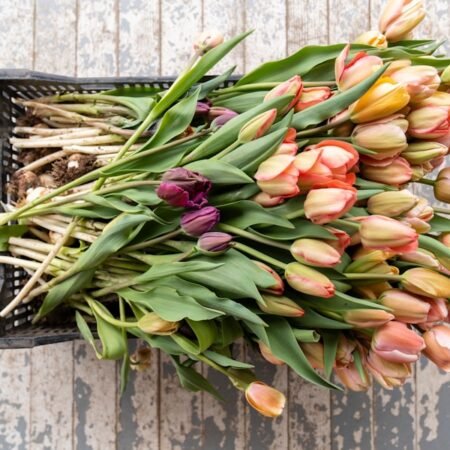
Lilies are another popular flower with deep symbolic meaning. In Christianity, lilies are often associated with the Virgin Mary and are used to symbolize purity and virtue. In other cultures, lilies are seen as symbols of renewal and rebirth, making them a popular choice for funerals and memorial services. Other popular flowers with significant meanings include daisies (innocence and purity), sunflowers (adoration and loyalty), and tulips (perfect love).
Floral Gift-Giving Traditions
The tradition of giving flowers as gifts dates back to ancient times, with various cultures using flowers to convey their emotions and sentiments. In many cultures, flowers are given as gifts on special occasions such as birthdays, anniversaries, weddings, and funerals. In some cultures, specific flowers are associated with certain occasions, such as red roses for Valentine’s Day or white lilies for funerals.
In Japan, the tradition of giving flowers is deeply rooted in their culture, with specific meanings attached to different types of flowers. The Japanese art of flower arranging, known as ikebana, is a highly respected tradition that emphasizes the beauty and symbolism of each flower. In India, marigolds are often used in religious ceremonies and festivals as offerings to the gods. In Western cultures, flowers are often given as gifts to express love, gratitude, sympathy, or congratulations.
The Language of Flowers in Literature and Art
Floral symbolism has been a popular theme in literature and art for centuries, with many artists and writers using flowers to convey deeper meanings and emotions. In literature, flowers are often used as symbols to represent various themes such as love, beauty, innocence, or mortality. William Shakespeare frequently used floral imagery in his plays and sonnets to convey emotions and sentiments. In art, flowers have been a popular subject for still life paintings, with artists using them to convey messages or evoke certain emotions.
During the Victorian era, the language of flowers became a popular theme in art and literature, with many artists and writers incorporating floral symbolism into their works. The Pre-Raphaelite Brotherhood, a group of English painters, often used flowers as symbols of love, beauty, and femininity in their paintings. The language of flowers also became a popular theme in decorative arts such as embroidery, ceramics, and jewelry during this time.
Modern Applications of Floral Symbolism
In modern times, the language of flowers continues to be a meaningful form of communication, with people using flowers to express their emotions and sentiments on various occasions. Flowers are often given as gifts on special occasions such as birthdays, anniversaries, weddings, and graduations. They are also used to convey sympathy and condolences during times of loss or grief. In addition to traditional gift-giving occasions, flowers are also used in modern events such as corporate functions, product launches, and charity events.
Floral symbolism has also found its way into popular culture, with many people incorporating flowers into their everyday lives as a way to express themselves. Flower crowns have become a popular fashion accessory at music festivals and weddings, symbolizing beauty and femininity. Floral tattoos have also gained popularity as a way for individuals to express their personal beliefs or emotions through the use of specific flower designs.
How to Choose the Right Flower for the Right Occasion
When choosing the right flower for a specific occasion, it is important to consider the meaning and symbolism behind each flower. For romantic occasions such as Valentine’s Day or anniversaries, red roses are a classic choice that symbolizes passionate love and desire. For weddings or bridal showers, lilies are often chosen for their association with purity and virtue. For sympathy or funeral arrangements, white lilies or chrysanthemums are often chosen for their association with mourning and remembrance.
It is also important to consider the recipient’s personal preferences when choosing flowers for a specific occasion. Some people may have a favorite flower that holds special meaning to them, making it a thoughtful choice for a gift. Additionally, considering the recipient’s cultural background can also help in choosing the right flower for a specific occasion. For example, in some cultures certain flowers may be associated with negative connotations or superstitions that should be avoided.
In conclusion, the language of flowers has a rich history that spans across different cultures and time periods. Flowers have been used to convey specific meanings and sentiments for centuries, making them a meaningful form of communication in various aspects of life. Whether it is through traditional gift-giving occasions or modern applications in popular culture, the language of flowers continues to be an important aspect of human expression. By understanding the meanings behind different types of flowers and considering the recipient’s personal preferences and cultural background, individuals can choose the right flower for the right occasion to convey their emotions and sentiments in a thoughtful manner.