
The language of flowers, also known as floriography, has a rich and fascinating history that dates back to ancient civilizations. In the 18th century, the language of flowers became popular in Europe, particularly in England and France. During this time, flowers were used to convey messages and emotions that were not socially acceptable to express openly. This secret language allowed individuals to communicate their feelings and intentions through the gift of flowers. The Victorian era saw a resurgence of interest in floriography, with an entire lexicon of flower meanings being developed. Each flower was assigned a specific meaning, allowing people to send coded messages through floral arrangements. This tradition has continued to evolve over the years, with different cultures and societies adopting their own interpretations of flower symbolism.
The language of flowers has also been a prominent feature in literature and art throughout history. Poets and writers often used flowers as symbols to convey deeper meanings and emotions in their works. Artists have also been inspired by the beauty and symbolism of flowers, incorporating them into their paintings and sculptures. Today, the language of flowers continues to be a meaningful and cherished tradition, with people using flowers to express their sentiments in various social and personal contexts.
Understanding the Symbolism of Different Flowers
Each flower carries its own unique symbolism and meaning, making it important to understand the significance of different blooms when incorporating them into mindful practices. For example, the rose is often associated with love and passion, making it a popular choice for romantic gestures. The daisy, on the other hand, symbolizes innocence and purity, while the lily represents purity and renewal. Understanding the meanings behind different flowers allows individuals to choose blooms that align with their intentions and emotions.
In addition to individual flower meanings, the color of a flower can also convey specific messages. For example, red roses symbolize love and desire, while white roses represent purity and innocence. Yellow flowers are often associated with friendship and joy, while purple blooms can symbolize royalty and admiration. By understanding the symbolism of different flowers and colors, individuals can create more intentional and meaningful flower arrangements for their mindfulness practices.
How to Incorporate the Language of Flowers into Mindfulness Practices
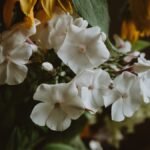
Incorporating the language of flowers into mindfulness practices can add depth and meaning to these activities. One way to do this is by creating a flower altar or arrangement that reflects specific intentions or emotions. For example, if someone is seeking peace and tranquility, they may choose to incorporate white flowers such as lilies or jasmine into their meditation space. Alternatively, if someone is looking to cultivate love and compassion, they may opt for red or pink roses.
Another way to incorporate the language of flowers into mindfulness practices is by using them as focal points for meditation or visualization exercises. By gazing at a flower and contemplating its symbolism, individuals can deepen their connection to their intentions and emotions. Additionally, incorporating the scent of flowers through essential oils or fresh blooms can enhance the sensory experience of mindfulness practices, promoting relaxation and emotional balance.
Using Flowers to Enhance Meditation and Yoga
Flowers can also be used to enhance meditation and yoga practices, adding a sensory element that can deepen the experience. In yoga, practitioners can incorporate flower imagery into their visualizations and intentions during asana practice. For example, during a heart-opening pose such as camel pose, practitioners may visualize their hearts blooming like a flower, symbolizing love and compassion.
In meditation, flowers can be used as focal points for concentration and mindfulness. By gazing at a flower or holding it in one’s hands during meditation, individuals can cultivate a sense of presence and connection to nature. Additionally, incorporating flower essences or aromatherapy into meditation practices can promote relaxation and emotional healing.
Creating a Personalized Flower Language Practice
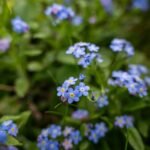
Creating a personalized flower language practice involves choosing flowers that resonate with one’s intentions and emotions. Individuals can start by exploring the meanings of different flowers and colors, then selecting blooms that align with their personal goals and desires. For example, someone seeking inner peace may choose to incorporate blue flowers such as forget-me-nots or hydrangeas into their practice, while someone seeking creativity and inspiration may opt for orange blooms such as marigolds or sunflowers.
Once the appropriate flowers have been chosen, individuals can create personalized rituals or ceremonies that incorporate these blooms. This may involve creating flower arrangements for specific intentions, using flowers as focal points for meditation or visualization exercises, or incorporating flower essences into self-care practices. By creating a personalized flower language practice, individuals can deepen their connection to nature and cultivate a greater sense of mindfulness and intentionality in their daily lives.
The Benefits of Connecting with Nature through Flower Language
Connecting with nature through flower language offers numerous benefits for mental, emotional, and spiritual well-being. Research has shown that spending time in nature can reduce stress, anxiety, and depression while promoting feelings of calmness and well-being. By incorporating flowers into mindfulness practices, individuals can deepen their connection to nature and experience these benefits firsthand.
Additionally, connecting with nature through flower language can promote a greater sense of mindfulness and presence in daily life. By paying attention to the symbolism and beauty of flowers, individuals can cultivate a greater appreciation for the natural world around them. This heightened awareness can lead to a greater sense of gratitude and connectedness, promoting overall well-being.
Exploring the Cultural and Global Significance of Flower Symbolism
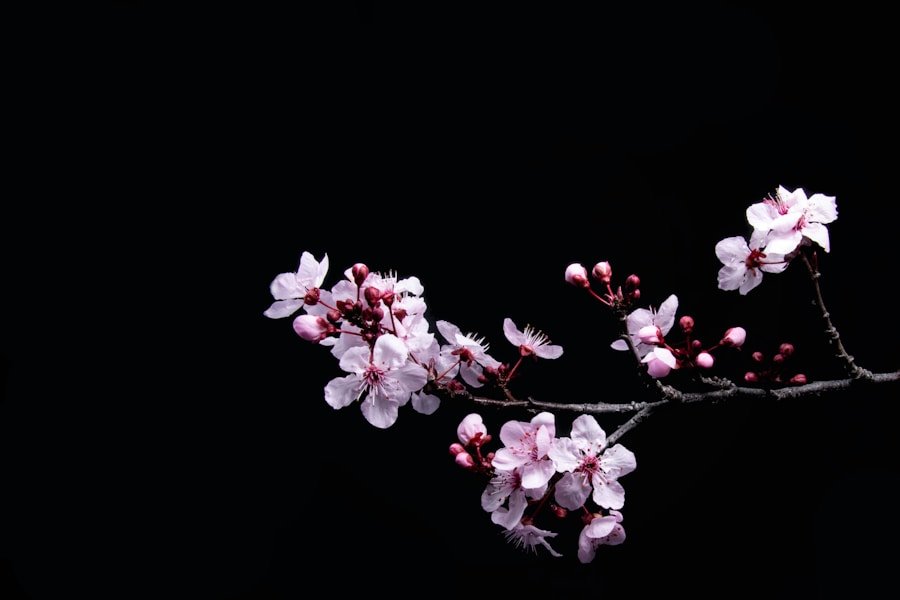
Flower symbolism holds significant cultural and global significance, with different societies and traditions interpreting flower meanings in unique ways. For example, in Japanese culture, cherry blossoms are revered for their transient beauty and are often associated with the concept of impermanence. In Hindu culture, the lotus flower holds deep spiritual significance, symbolizing purity and enlightenment.
In addition to cultural significance, flower symbolism has also played a prominent role in global traditions such as weddings, funerals, and religious ceremonies. Different cultures have specific traditions surrounding the use of certain flowers in these contexts, reflecting the deep-rooted symbolism that flowers hold in human society.
In conclusion, the language of flowers offers a rich tapestry of symbolism and meaning that can be incorporated into mindfulness practices to deepen one’s connection to nature and promote emotional well-being. By understanding the history and significance of flower symbolism, individuals can create personalized practices that align with their intentions and emotions. Whether used in meditation, yoga, or daily rituals, the language of flowers offers a powerful tool for cultivating mindfulness and intentionality in daily life.