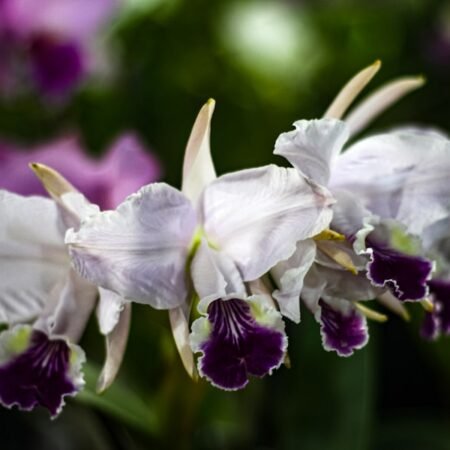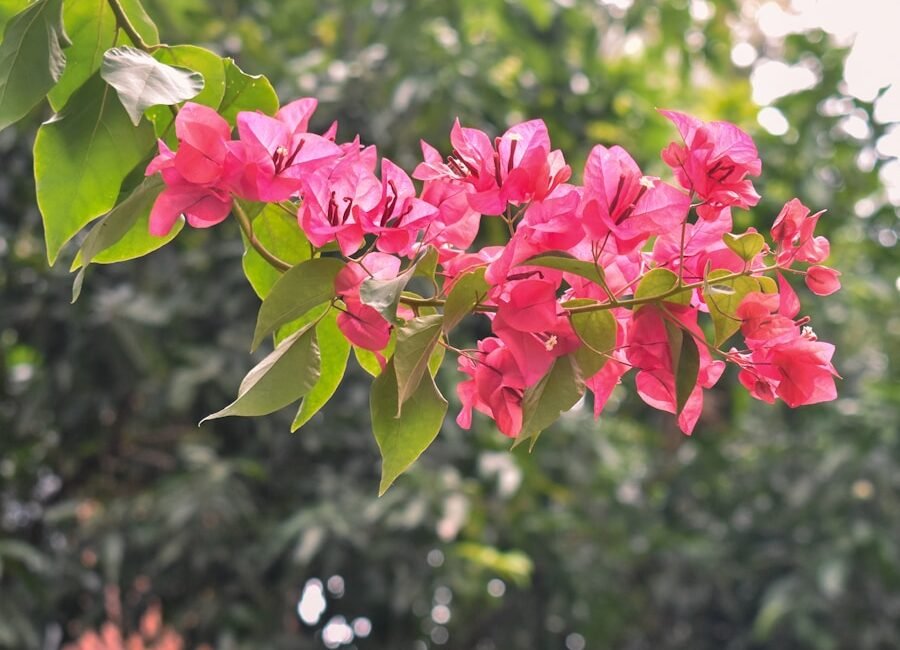

Winter in Australia may be known for its cooler temperatures and shorter days, but it is also a time when the country’s flora comes alive with an array of beautiful blooms. From the snow-white blossoms of the flannel flower to the vibrant hues of the waratah, winter blooms in Australia are a sight to behold. These flowers not only add color and beauty to the landscape but also hold deep cultural and symbolic significance for Indigenous Australians. In this article, we will explore the symbolism of Australian winter blooms, their cultural importance, and how they are celebrated in art, literature, and everyday life.
Symbolism of Australian Flowers in Indigenous Culture
In Indigenous Australian culture, flowers have long been revered for their symbolic meanings and spiritual significance. Each flower holds its own unique symbolism and is often used in ceremonies, rituals, and storytelling. For example, the waratah, with its striking red blooms, is seen as a symbol of strength and resilience, while the delicate flannel flower represents purity and innocence. These flowers are not only admired for their beauty but are also deeply intertwined with the spiritual beliefs and traditions of Indigenous Australians. They are often used in traditional medicine, as well as in art and craftwork, making them an integral part of Indigenous culture.
The Language of Flowers: Understanding the Symbolism of Winter Blooms
The language of flowers, also known as floriography, is a form of communication that dates back to ancient times. In this symbolic language, each flower carries its own meaning and can be used to convey specific emotions, sentiments, or messages. In the context of winter blooms in Australia, understanding the symbolism of these flowers can provide insight into their cultural significance and help us appreciate their beauty on a deeper level. For example, the kangaroo paw, with its unique claw-shaped blooms, is often associated with creativity and abundance, while the banksia symbolizes protection and new beginnings. By learning about the language of flowers, we can gain a greater appreciation for the natural world and the rich symbolism it holds.
Popular Winter Blooms in Australia and Their Symbolism
Australia is home to a diverse range of winter blooms, each with its own unique symbolism and cultural significance. Some of the most popular winter blooms in Australia include the waratah, kangaroo paw, flannel flower, banksia, and wattle. The waratah, with its bold red blooms, is often seen as a symbol of courage and strength, while the kangaroo paw is associated with creativity and abundance. The delicate flannel flower represents purity and innocence, while the banksia symbolizes protection and new beginnings. The wattle, with its bright yellow blossoms, is a symbol of resilience and endurance. These flowers not only add beauty to the Australian landscape but also hold deep cultural and spiritual significance for Indigenous Australians.
How to Incorporate Winter Blooms into Your Home and Garden
Incorporating winter blooms into your home and garden can add a touch of natural beauty and symbolism to your surroundings. Whether you choose to plant native Australian flowers in your garden or display them in floral arrangements indoors, there are many ways to celebrate the beauty and symbolism of winter blooms. Consider planting a mix of native Australian flowers such as waratah, kangaroo paw, and banksia in your garden to create a vibrant and colorful display. You can also create stunning floral arrangements using winter blooms to bring a touch of nature indoors. By incorporating these flowers into your home and garden, you can not only enjoy their beauty but also honor their cultural significance.
Winter Blooms in Australian Art and Literature
The beauty and symbolism of winter blooms in Australia have long been celebrated in art and literature. From paintings and sculptures to poetry and prose, Australian artists and writers have drawn inspiration from the country’s unique flora. The vibrant colors and intricate shapes of winter blooms have been captured in countless works of art, while their symbolic meanings have been explored in poetry and literature. For example, the waratah has been depicted in numerous paintings and sculptures as a symbol of strength and resilience, while the delicate flannel flower has been celebrated in poetry for its purity and innocence. By exploring the representation of winter blooms in Australian art and literature, we can gain a deeper understanding of their cultural significance and appreciate their beauty in new ways.
Preserving and Celebrating the Symbolism of Winter Blooms in Australian Culture
As we continue to appreciate the beauty and symbolism of winter blooms in Australia, it is important to preserve and celebrate their cultural significance. This can be done through various means, such as supporting conservation efforts for native Australian flora, participating in cultural events that honor Indigenous traditions, and incorporating winter blooms into our everyday lives. By preserving the natural habitats of these flowers and supporting Indigenous communities, we can ensure that their cultural significance is upheld for future generations to appreciate. Additionally, by incorporating winter blooms into our homes, gardens, art, and literature, we can continue to celebrate their beauty and symbolism in Australian culture. Through these efforts, we can honor the rich cultural heritage of winter blooms in Australia and ensure that their significance is preserved for years to come.