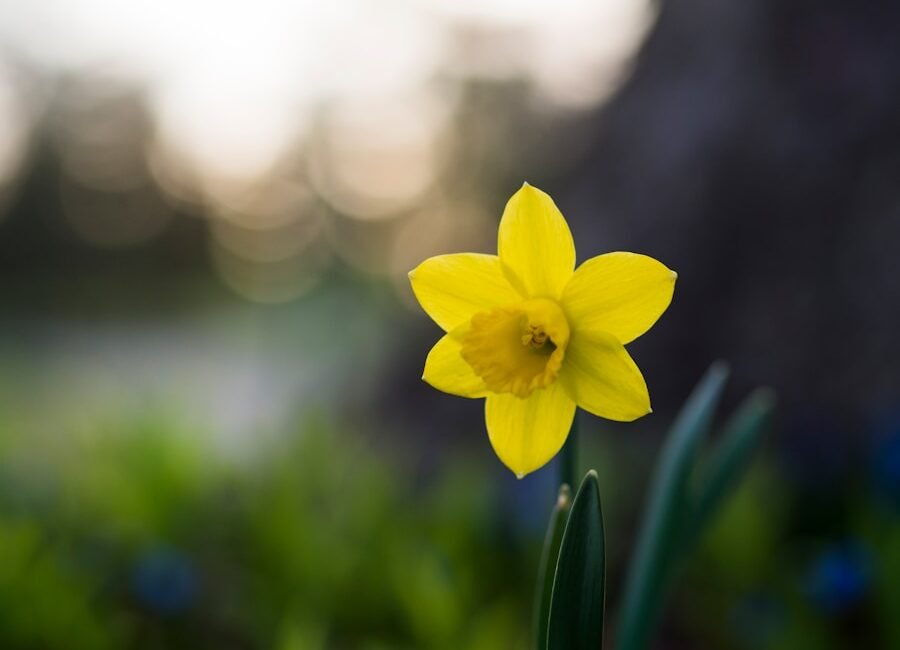

Daffodils have long been associated with new beginnings and hope in various cultures and traditions. In ancient Greek mythology, the daffodil was linked to the story of Narcissus, a handsome young man who fell in love with his own reflection and eventually turned into a daffodil. This myth has been interpreted as a symbol of self-love and renewal, as the daffodil blooms in the spring, signaling the end of winter and the start of a new season. In Chinese culture, daffodils are seen as a symbol of good fortune and prosperity, often used in celebrations and festivals to bring luck and happiness to the participants. In Wales, the daffodil is the national flower and is associated with St. David’s Day, a celebration of the patron saint of Wales. The bright yellow blooms are seen as a symbol of national pride and unity, bringing people together in a spirit of hope and renewal.
The daffodil’s symbolism as a harbinger of spring and new beginnings has also been embraced in Christian traditions, where it is often associated with Easter and the resurrection of Jesus Christ. The flower’s vibrant yellow color is seen as a representation of the light and joy that comes with the arrival of spring, and its ability to bloom year after year is seen as a symbol of eternal life. In literature, daffodils have been used to convey messages of hope and rejuvenation, often appearing in poems and stories as a symbol of optimism and renewal. The daffodil’s symbolism as a flower of new beginnings has made it a popular choice for gifts and decorations, particularly during times of celebration or transition.
The Science Behind Daffodils
Daffodils, also known as Narcissus, are a genus of perennial plants that belong to the Amaryllidaceae family. They are native to Europe and North Africa, but have been cultivated and naturalized in many other parts of the world due to their beauty and resilience. Daffodils are known for their vibrant yellow, white, or orange flowers, which typically have a trumpet-shaped central corona surrounded by six petals. They are also known for their distinctive fragrance, which is often described as sweet and floral. Daffodils are able to thrive in a variety of climates and soil types, making them a popular choice for gardeners and landscapers looking to add a touch of color and cheer to their outdoor spaces.
The daffodil’s ability to bloom early in the spring has made it a symbol of hope and renewal in many cultures. This early blooming is due to the daffodil’s ability to store energy in its bulb during the previous growing season, allowing it to produce flowers quickly once the weather warms up. Daffodils are also known for their toxicity, as all parts of the plant contain alkaloids that can be harmful if ingested. This toxicity has led to the daffodil being used in traditional medicine for its diuretic and emetic properties, although it should be noted that consuming daffodils can be dangerous and should be avoided. Despite their toxicity, daffodils are still widely admired for their beauty and resilience, making them a popular choice for gardens, parks, and public spaces.
Daffodils in Art and Literature
Daffodils have been a popular subject in art, poetry, and literature for centuries, often used to convey messages of hope and rejuvenation. One of the most famous examples of this is William Wordsworth’s poem “I Wandered Lonely as a Cloud,” in which he describes coming across a field of daffodils and being filled with joy at the sight. The poem has become synonymous with the image of daffodils as a symbol of optimism and renewal, capturing the essence of the flower’s ability to uplift spirits and inspire feelings of hope. In art, daffodils have been depicted in paintings, sculptures, and other forms of visual art as a representation of springtime and new beginnings. Their bright yellow color and delicate petals make them a popular choice for artists looking to capture the beauty of nature in their work.
In literature, daffodils have been used as a symbol of hope and rejuvenation in various stories and poems. Their ability to bloom early in the spring has made them a powerful metaphor for new beginnings and the promise of better days ahead. In many cultures, daffodils are seen as a sign of good luck and prosperity, often used in celebrations and festivals to bring joy and happiness to those who encounter them. The daffodil’s representation in art and literature has helped to solidify its status as a symbol of optimism and renewal, making it a popular choice for gifts and decorations during times of celebration or transition.
Daffodils in Mental Health
The therapeutic effects of daffodils on mental health have been well-documented, with many people reporting that the sight of these vibrant flowers can uplift their moods and inspire feelings of optimism and renewal. The bright yellow color of daffodils is often associated with happiness and joy, making them a popular choice for bouquets and arrangements meant to bring cheer to those who receive them. In addition to their visual appeal, daffodils also have a sweet and floral fragrance that can have a calming effect on the mind, helping to reduce stress and anxiety. This combination of visual and olfactory stimulation makes daffodils an effective tool for promoting mental well-being.
In addition to their aesthetic appeal, daffodils also have symbolic significance that can be uplifting for those struggling with mental health issues. The flower’s association with new beginnings and hope can serve as a powerful reminder that better days are ahead, even in the darkest times. This symbolism has been embraced by many mental health organizations and support groups, who use daffodils as a symbol of resilience and optimism in their outreach efforts. The presence of daffodils in hospitals, clinics, and other healthcare settings can also have a positive impact on patients’ mental well-being, providing a sense of comfort and reassurance during difficult times.
Daffodils in Gardening and Landscaping
Daffodils are a popular choice for gardening and landscaping due to their vibrant colors, unique characteristics, and ability to thrive in a variety of climates. Their early blooming makes them an ideal choice for adding color to outdoor spaces after the long winter months, signaling the arrival of spring and new beginnings. Daffodils are also known for their resilience, able to withstand harsh weather conditions and thrive in poor soil, making them an attractive option for gardeners looking for low-maintenance plants. Their ability to naturalize means that they can spread easily over time, creating beautiful displays of color that can brighten up any garden or landscape.
In addition to their aesthetic appeal, daffodils also play an important role in supporting local ecosystems by providing food for pollinators such as bees and butterflies. Their nectar-rich flowers attract these important insects, helping to support biodiversity and promote healthy ecosystems. Daffodils are also deer-resistant, making them an attractive option for gardeners looking to protect their plants from wildlife damage. Their toxicity makes them unappealing to deer and other herbivores, allowing them to thrive without being eaten or destroyed.
Daffodils as a Symbol of Resilience
Daffodils have been a source of inspiration and hope in times of adversity and hardship, with many stories and anecdotes highlighting their ability to uplift spirits and bring comfort during difficult times. One famous example is the “Daffodil Principle,” which tells the story of a woman who planted thousands of daffodil bulbs on her property as a way to cope with personal tragedy. Over time, the daffodils multiplied and bloomed into a breathtaking display of color that brought joy not only to her but also to everyone who saw them. This story has become a powerful metaphor for resilience and optimism, showing how even in the darkest times, there is always hope for better days ahead.
In addition to their symbolic significance, daffodils have also played a practical role in providing sustenance during times of hardship. During World War II, when food was scarce in many parts of Europe, people turned to daffodil bulbs as a source of nutrition. Although not ideal, the bulbs were edible and provided much-needed sustenance during difficult times. This resourcefulness has been celebrated as an example of how daffodils have been able to provide comfort and support during times of adversity.
Cultivating Hope with Daffodils
Incorporating daffodils into everyday life can be an effective way to promote a sense of new beginnings and optimism. Whether through gardening, art, or simply enjoying their beauty in nature, there are many ways to cultivate hope with daffodils. One practical tip is to plant daffodil bulbs in your garden or outdoor space, creating a colorful display that will bloom year after year as a reminder of the promise of better days ahead. Daffodils can also be used in floral arrangements or bouquets as gifts for loved ones going through difficult times, providing a source of comfort and reassurance.
Another way to incorporate daffodils into everyday life is through art and literature, using their symbolism as a source of inspiration for creative projects or personal reflection. Whether through writing poetry or painting pictures of daffodils, engaging with their symbolism can be a powerful way to promote feelings of hope and renewal. Additionally, simply taking the time to appreciate the beauty of daffodils in nature can be an effective way to cultivate optimism in everyday life. Taking walks in parks or gardens where daffodils bloom can provide a sense of peace and tranquility while reminding us that better days are ahead.
In conclusion, daffodils hold significant historical, cultural, scientific, artistic, therapeutic, horticultural, symbolic significance that makes them an important part of human experience across various aspects of life. From ancient mythology to modern mental health practices, from literature to gardening practices – daffodils continue to inspire hope and renewal in people’s lives around the world. By understanding their symbolism and incorporating them into our lives through various means such as gardening or art appreciation we can cultivate hope with these beautiful flowers that have stood the test of time as symbols of resilience and optimism.