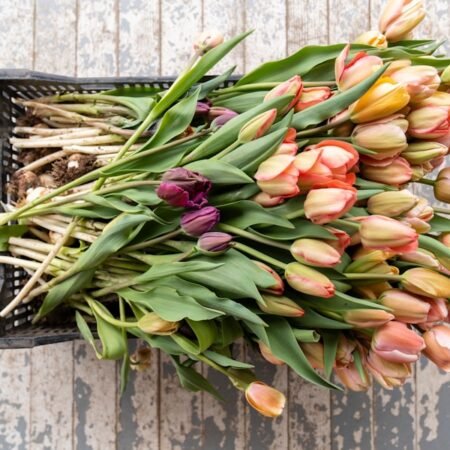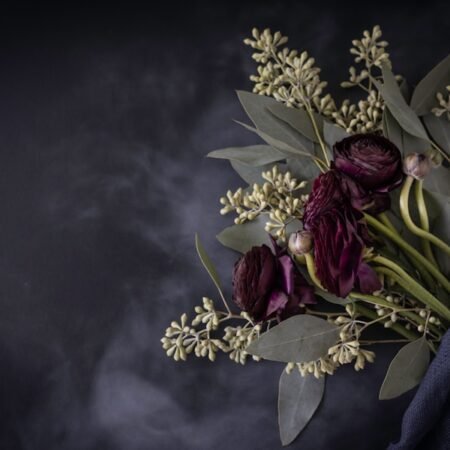

Texture is an essential element in interior design, as it adds depth and dimension to a space. Understanding texture is the key to creating visual interest in any room. Texture refers to the surface quality of an object, which can be rough, smooth, soft, or hard. By incorporating a variety of textures into a space, you can create a dynamic and visually appealing environment. For example, mixing rough and smooth textures can add contrast and create a sense of balance in a room. Additionally, using different textures can also help to define different areas within a space, such as a cozy reading nook with soft, plush textures or a sleek, modern workspace with smooth, glossy surfaces. Understanding how to use texture effectively can help you create a space that is not only visually interesting but also inviting and comfortable.
Incorporating texture into your design can be achieved through a variety of means, such as using different materials, fabrics, and finishes. For example, you can add texture to a room by incorporating natural materials like wood, stone, or metal. These materials not only add visual interest but also bring a sense of warmth and authenticity to a space. Additionally, using textiles like rugs, pillows, and curtains can add softness and tactile appeal to a room. By layering different textures, you can create a rich and multi-dimensional space that is visually engaging and inviting.
Incorporating Spiky Elements: Adding Edge and Drama to Your Space
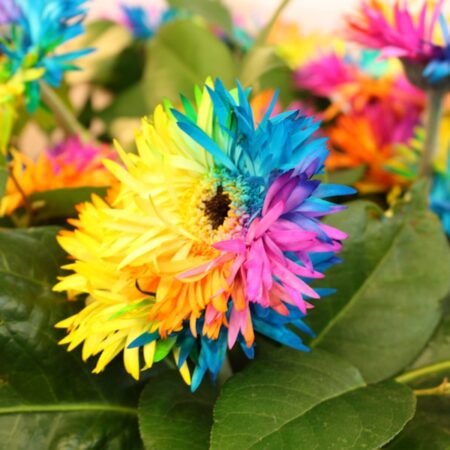
Incorporating spiky elements into your interior design can add edge and drama to your space. Spiky elements refer to objects or materials with sharp or angular shapes, such as geometric patterns, metal accents, or sculptural furniture. These elements can add a sense of dynamism and energy to a room, creating a bold and modern aesthetic. For example, incorporating spiky elements like angular furniture or metallic accents can add visual interest and create a sense of movement in a space. Additionally, using geometric patterns in textiles or wall coverings can add a graphic punch to a room, creating a dynamic and contemporary look.
When incorporating spiky elements into your design, it’s important to consider balance and harmony. While spiky elements can add drama and edge to a space, they should be used in moderation to avoid overwhelming the room. For example, you can use spiky elements as accent pieces or focal points in a room, such as a sculptural light fixture or a bold piece of artwork. Additionally, you can balance spiky elements with softer textures and rounded shapes to create a sense of harmony in the space. By carefully integrating spiky elements into your design, you can create a space that is visually striking and full of personality.
Embracing Soft Elements: Creating a Cozy and Inviting Atmosphere
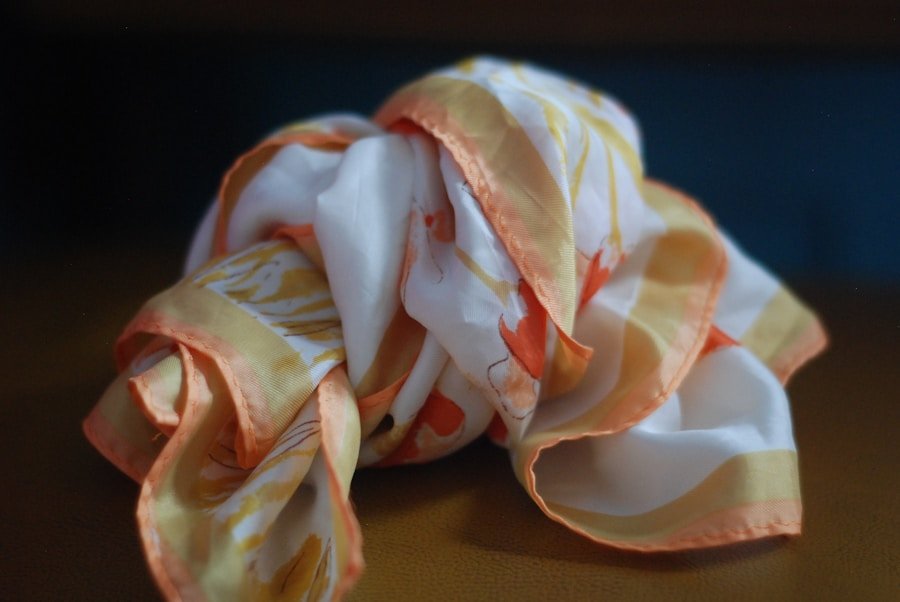
Embracing soft elements in your interior design can help create a cozy and inviting atmosphere in your home. Soft elements refer to materials and textures that are plush, tactile, and comforting, such as soft fabrics, fluffy rugs, and upholstered furniture. By incorporating soft elements into your design, you can create a sense of warmth and comfort in your space. For example, using soft textiles like velvet or chenille can add a luxurious and inviting feel to a room. Additionally, incorporating plush rugs or cushions can create a cozy and comfortable environment that is perfect for relaxing and unwinding.
When embracing soft elements in your design, it’s important to consider the overall mood and atmosphere you want to create in the space. Soft elements can help create a sense of tranquility and relaxation, making them perfect for spaces like bedrooms or living rooms where comfort is key. Additionally, soft elements can also help to soften the look of more angular or spiky elements in a room, creating a sense of balance and harmony. By embracing soft elements in your design, you can create a space that is not only visually appealing but also comfortable and inviting.
Mixing Spiky and Soft Elements: Finding Balance and Harmony
Mixing spiky and soft elements in your interior design is all about finding balance and harmony in your space. By combining these contrasting textures, you can create a dynamic and visually interesting environment that is both edgy and inviting. When mixing spiky and soft elements, it’s important to consider the overall mood and atmosphere you want to create in the space. For example, you can balance spiky elements like angular furniture or metallic accents with soft textiles like plush rugs or velvet upholstery to create a sense of harmony in the room. Additionally, you can use soft elements to soften the look of more edgy or dramatic pieces, creating a space that is visually striking yet comfortable.
When mixing spiky and soft elements in your design, it’s important to consider scale and proportion. For example, if you have a large piece of furniture with sharp angles or geometric shapes, you can balance it with softer textures like plush cushions or drapery to create a sense of visual equilibrium. Additionally, you can use color to tie together spiky and soft elements in the room, creating a cohesive and harmonious look. By carefully mixing spiky and soft elements in your design, you can create a space that is visually engaging and full of personality.
Seasonal Transitions: Adapting Your Texture Mix for Different Times of Year
Adapting your texture mix for different times of year is an important aspect of interior design. As the seasons change, so do our needs and preferences for our living spaces. During the colder months, incorporating soft and cozy textures like plush rugs, velvet upholstery, and knit throws can help create a warm and inviting atmosphere in your home. These textures not only add visual interest but also provide comfort and warmth during the winter months. Additionally, using natural materials like wood or stone can add a sense of warmth and authenticity to your space during the colder seasons.
During the warmer months, you may want to adapt your texture mix to create a lighter and more airy atmosphere in your home. Incorporating lighter fabrics like linen or cotton can help create a sense of freshness and lightness in your space. Additionally, using natural materials like rattan or wicker can add a sense of warmth and texture without feeling heavy or overwhelming. By adapting your texture mix for different times of year, you can create a space that is not only visually appealing but also comfortable and functional throughout the changing seasons.
Incorporating Texture in Outdoor Spaces: Bringing Interest to Your Garden or Patio
Incorporating texture in outdoor spaces is an important aspect of landscape design. By using different materials and plants with varying textures, you can create visual interest and depth in your garden or patio. For example, using natural materials like stone or wood for pathways or seating areas can add texture and warmth to your outdoor space. Additionally, incorporating plants with different leaf textures, such as smooth succulents or feathery grasses, can add visual interest and create a sense of movement in your garden.
When incorporating texture in outdoor spaces, it’s important to consider the overall mood and atmosphere you want to create. For example, using rough-hewn stone or weathered wood can create a rustic and natural look in your garden, while using sleek metal or glass accents can create a more modern and contemporary feel. Additionally, using plants with different textures can help create a sense of balance and harmony in your outdoor space. By carefully incorporating texture into your outdoor design, you can create a garden or patio that is visually engaging and inviting.
Texture in Fashion: How to Mix Spiky and Soft Elements in Your Wardrobe
Texture plays an important role in fashion as well as interior design. Mixing spiky and soft elements in your wardrobe can help create a dynamic and visually interesting look that is both edgy and inviting. For example, pairing soft fabrics like silk or cashmere with edgier pieces like leather or metallic accents can create a sense of contrast and balance in your outfit. Additionally, using different textures like lace or velvet can add visual interest and depth to your look.
When mixing spiky and soft elements in your wardrobe, it’s important to consider the overall mood and atmosphere you want to create with your outfit. For example, pairing soft fabrics with edgier pieces can create a look that is both feminine and bold, while using different textures like fur or feathers can add drama and flair to your ensemble. Additionally, using accessories like statement jewelry or textured handbags can add visual interest and personality to your look. By carefully mixing spiky and soft elements in your wardrobe, you can create outfits that are visually engaging and full of personality.
In conclusion, understanding texture is essential for creating visual interest in both interior design and fashion. By incorporating spiky elements into your design, you can add edge and drama to your space while embracing soft elements creates a cozy and inviting atmosphere. Finding balance between these contrasting textures is key to creating harmony in your space while adapting your texture mix for different times of year ensures that your space remains comfortable and functional throughout the changing seasons. Incorporating texture into outdoor spaces brings interest to your garden or patio while mixing spiky and soft elements in your wardrobe creates dynamic and visually interesting looks that are both edgy and inviting. Texture is an important element that adds depth and dimension to any space or outfit, making it an essential consideration for any design project.

Other Articles