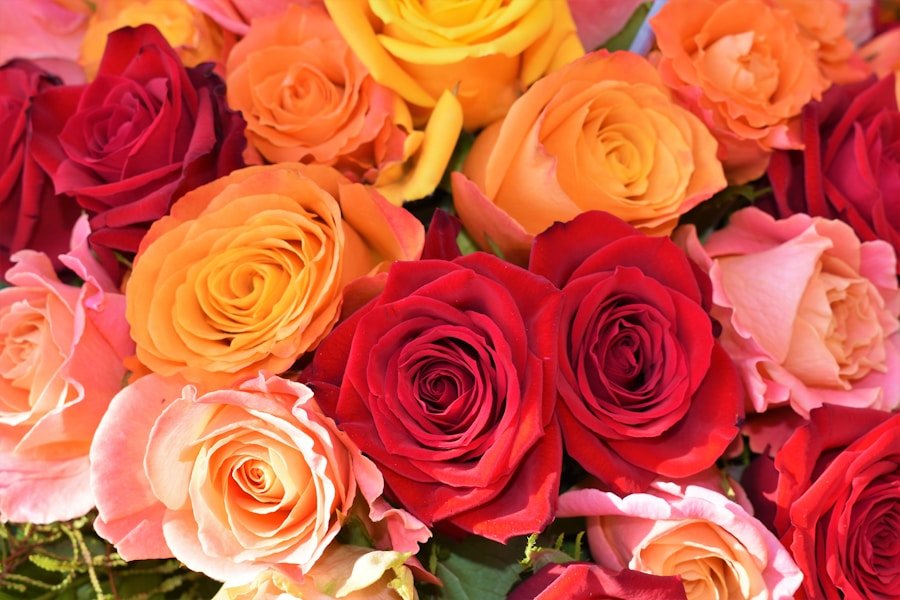

Carnations have a rich history that dates back to ancient times. The name “carnation” is believed to have originated from the Latin word “corone,” which means “garland” or “wreath.” This is fitting, as carnations were often used in ceremonial garlands and wreaths in ancient Greece and Rome. The ancient Greeks and Romans also believed that carnations were a symbol of love and affection, and they often used them in religious ceremonies and rituals.
In the Middle Ages, carnations were used for medicinal purposes, as they were believed to have healing properties. They were also used as a flavoring in food and wine. During the Renaissance, carnations became a popular flower in Europe, and they were often used in art and literature as a symbol of love, fascination, and distinction. In the 19th century, carnations became a symbol of socialism and workers’ rights, as they were often worn by labor activists during demonstrations and protests.
Today, carnations are still widely recognized as a symbol of love and affection, and they are often given as gifts on special occasions such as Mother’s Day and Valentine’s Day. They are also used in weddings and other celebrations to symbolize love, purity, and good luck.
The Different Colors of Carnations and Their Meanings
Carnations come in a variety of colors, and each color has its own unique meaning. Red carnations are often associated with love and admiration, making them a popular choice for Valentine’s Day and other romantic occasions. Pink carnations symbolize gratitude, grace, and admiration, making them a thoughtful gift for a friend or family member. White carnations are often used in weddings and symbolize purity, luck, and good fortune.
Yellow carnations are a symbol of happiness and joy, making them a great choice for celebrating a special achievement or milestone. Purple carnations represent capriciousness and unpredictability, while striped carnations symbolize regret or refusal. In general, carnations are a versatile flower that can be used to convey a wide range of emotions and sentiments.
Carnations in Literature and Art
Carnations have been a popular subject in literature and art for centuries. In literature, carnations are often used as a symbol of love, beauty, and passion. They have been mentioned in numerous poems, novels, and plays as a representation of romantic love and desire. In art, carnations have been depicted in paintings, sculptures, and other forms of visual art as a symbol of beauty, purity, and elegance.
One of the most famous depictions of carnations in art is Diego Rivera’s painting “The Flower Carrier,” which features a man carrying a large bouquet of colorful flowers, including carnations. This painting is often interpreted as a representation of the beauty and resilience of the working class. Carnations have also been featured in the works of famous artists such as Vincent van Gogh, Claude Monet, and Georgia O’Keeffe.
Carnations in Different Cultures and Traditions
Carnations have played an important role in various cultures and traditions around the world. In Japan, carnations are known as “the divine flower” and are often used in traditional tea ceremonies and other rituals. In Spain, carnations are associated with the May Day festival and are often worn as a symbol of workers’ rights and solidarity. In Korea, carnations are a popular flower for celebrating Parents’ Day, as they symbolize gratitude and respect for one’s parents.
In Christianity, white carnations are often used to symbolize the purity and innocence of the Virgin Mary. In some cultures, red carnations are used to honor the memory of loved ones who have passed away. Overall, carnations have a rich cultural significance and are used in various traditions to convey different meanings and emotions.
How to Use Carnations to Convey Messages
Carnations can be used to convey a wide range of messages and emotions. They can be given as gifts to express love, gratitude, admiration, or sympathy. Red carnations are a classic choice for expressing romantic love, while pink carnations are a thoughtful way to show appreciation for a friend or family member. White carnations can be used to convey purity and innocence, making them an ideal choice for weddings or christenings.
Carnations can also be used to convey sympathy and condolences when someone has experienced a loss. In this case, white or light pink carnations are often chosen to symbolize purity and remembrance. Overall, carnations are a versatile flower that can be used to convey a wide range of emotions and sentiments in different situations.
Carnations in Occasions and Events
Carnations are commonly used in various occasions and events to add beauty and symbolism to the proceedings. In weddings, white carnations are often used in bridal bouquets and centerpieces to symbolize purity, luck, and good fortune. They are also used as boutonnieres for the groom and groomsmen. In Mother’s Day celebrations, pink or red carnations are given as gifts to show love and appreciation for mothers.
Carnations are also commonly used in funerals and memorial services to convey sympathy and remembrance for the deceased. They are often included in funeral wreaths or arrangements as a symbol of purity and innocence. Overall, carnations are a popular choice for adding meaning and beauty to various occasions and events.
The Language of Carnations in Modern Times
In modern times, the language of flowers has become less widely known but is still appreciated by many people. Carnations continue to be used to convey messages and emotions in various situations. They are often given as gifts on special occasions such as Mother’s Day, Valentine’s Day, or weddings to express love, gratitude, or admiration.
Carnations are also commonly used in floral arrangements for corporate events or business functions to add elegance and sophistication to the decor. In addition, they are often included in sympathy arrangements for funerals or memorial services to convey condolences and remembrance for the deceased.
Overall, carnations continue to be a popular choice for conveying messages and emotions in modern times. Whether given as gifts or used in floral arrangements for special occasions, carnations remain a timeless symbol of love, beauty, and sentiment.