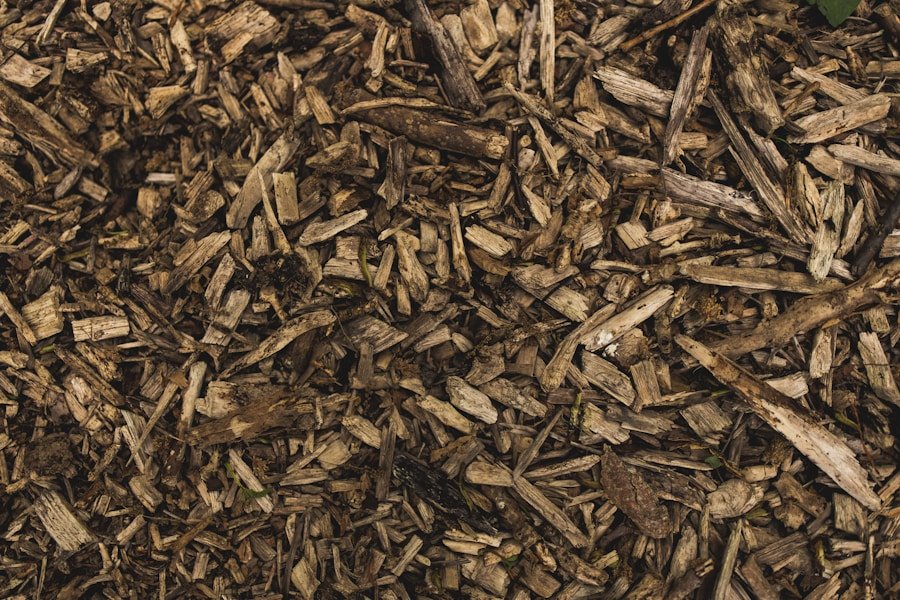

Mulch is a valuable addition to any flower bed, providing a range of benefits that can help to improve the health and appearance of your plants. One of the key benefits of mulch is its ability to retain moisture in the soil, reducing the need for frequent watering and helping to keep your plants hydrated during hot, dry weather. In addition to this, mulch also helps to regulate soil temperature, keeping it cooler in the summer and warmer in the winter, which can help to protect your plants from extreme weather conditions. Mulch also acts as a barrier against weeds, preventing them from taking root and competing with your flowers for nutrients and water. Furthermore, as mulch breaks down over time, it adds valuable organic matter to the soil, improving its structure and fertility.
Another important benefit of mulch is its ability to protect the roots of your plants from erosion and compaction. By creating a protective layer over the soil, mulch helps to prevent rain and irrigation water from washing away valuable nutrients and soil particles, while also reducing the impact of heavy rainfall on the soil surface. This can be particularly beneficial for flower beds that are located on slopes or in areas with poor drainage. Additionally, mulch can help to reduce the spread of certain plant diseases by preventing soil-borne pathogens from splashing up onto the leaves and stems of your flowers. Overall, the use of mulch in your flower beds can lead to healthier, more vibrant plants and a more attractive garden.
Factors to Consider When Choosing Seasonal Mulch
When it comes to choosing the right mulch for your flower beds, there are several factors that you should take into consideration. One of the most important factors to consider is the climate in your area, as this will determine which types of mulch are best suited to your garden. For example, in hot, dry climates, you may want to choose a mulch that is able to retain moisture and keep the soil cool, such as wood chips or straw. On the other hand, in cooler, wetter climates, you may prefer a mulch that is able to improve drainage and prevent waterlogging, such as gravel or shredded bark.
Another important factor to consider is the specific needs of your plants, as different types of mulch can have different effects on the soil and on plant growth. For example, some plants may benefit from the addition of organic mulches, such as compost or leaf mold, which can help to improve soil fertility and structure. Other plants may be more sensitive to certain types of mulch, such as those that are high in acidity or contain certain chemicals. Additionally, you should also consider the aesthetic appeal of different types of mulch, as some may be more visually appealing than others and can help to enhance the overall look of your flower beds.
Different Types of Seasonal Mulch and Their Characteristics
There are many different types of seasonal mulch available, each with its own unique characteristics and benefits. Organic mulches, such as wood chips, straw, and shredded bark, are popular choices for flower beds due to their ability to improve soil fertility and structure as they break down over time. These types of mulch also provide good insulation for the soil, helping to regulate temperature and retain moisture. In addition to this, organic mulches can help to suppress weeds and reduce erosion, making them a versatile option for many different types of gardens.
Inorganic mulches, such as gravel, stone, and landscape fabric, are another popular choice for flower beds, particularly in areas with hot, dry climates or poor drainage. These types of mulch are effective at improving soil drainage and preventing waterlogging, while also providing a long-lasting barrier against weeds. Inorganic mulches are also less likely to break down over time, making them a low-maintenance option for gardeners who want a more permanent solution for their flower beds. However, it’s important to note that inorganic mulches do not contribute organic matter to the soil and may not be suitable for all types of plants.
Other types of seasonal mulch include compost, leaf mold, and grass clippings, which can be used to improve soil fertility and add valuable nutrients to the soil. These types of mulch are particularly beneficial for flower beds that contain a wide variety of plants with different nutritional needs. Additionally, certain types of mulch, such as cocoa bean hulls or pine needles, can provide specific benefits for certain types of plants or garden conditions. For example, cocoa bean hulls can help to deter slugs and snails from feeding on delicate flowers, while pine needles can help to acidify the soil for acid-loving plants like azaleas and rhododendrons.
How to Prepare Your Flower Beds for Mulching
Before applying seasonal mulch to your flower beds, it’s important to properly prepare the soil and ensure that your plants are in good condition. Start by removing any existing weeds or debris from the flower bed and carefully inspecting your plants for signs of disease or pest infestations. It’s also a good idea to add a layer of compost or organic fertilizer to the soil before applying mulch, as this will help to provide additional nutrients for your plants and improve soil structure.
Once the soil has been prepared, you can begin applying the mulch to your flower beds. It’s important to apply a layer of mulch that is at least 2-3 inches thick in order to provide adequate insulation and weed suppression. However, be careful not to apply too much mulch, as this can lead to problems with water retention and air circulation in the soil. Additionally, be sure to leave a small gap between the base of your plants and the mulch layer in order to prevent moisture-related issues and discourage pests from taking up residence in your flower beds.
Tips for Applying and Maintaining Seasonal Mulch
When applying seasonal mulch to your flower beds, there are several tips that can help you achieve the best results. Firstly, it’s important to choose a high-quality mulch that is free from weeds, pests, and diseases in order to avoid introducing any unwanted problems into your garden. Additionally, be sure to apply mulch evenly and avoid piling it up against the stems or trunks of your plants, as this can lead to moisture-related issues and encourage pests and diseases.
In order to maintain your seasonal mulch throughout the year, it’s important to regularly inspect it for signs of compaction or decomposition and add additional layers as needed. This will help to ensure that your flower beds continue to receive the full range of benefits provided by mulch and that your plants remain healthy and vibrant. Additionally, be sure to monitor the moisture levels in your flower beds and adjust your watering schedule as needed in order to prevent issues with water retention or drainage.
Choosing the Right Seasonal Mulch for Specific Flower Varieties
Different types of flowers have different requirements when it comes to mulch, so it’s important to choose the right seasonal mulch for specific flower varieties in order to ensure their health and vitality. For example, flowers that prefer acidic soil conditions may benefit from a mulch that is able to acidify the soil over time, such as pine needles or oak leaves. On the other hand, flowers that prefer neutral or alkaline soil conditions may be better suited to a more neutral type of mulch, such as wood chips or shredded bark.
Additionally, certain types of flowers may have specific preferences when it comes to moisture levels and soil temperature, so it’s important to choose a seasonal mulch that is able to provide these conditions. For example, flowers that prefer cool, moist soil conditions may benefit from a mulch that is able to retain moisture and regulate temperature effectively, such as straw or shredded bark. Conversely, flowers that prefer warm, dry soil conditions may be better suited to a more porous type of mulch that is able to improve drainage and prevent waterlogging.
Common Mistakes to Avoid When Mulching Your Flower Beds
When mulching your flower beds, there are several common mistakes that you should be aware of in order to achieve the best results for your garden. One common mistake is applying too much mulch at once, which can lead to problems with water retention and air circulation in the soil. It’s important to apply a layer of mulch that is at least 2-3 inches thick in order to provide adequate insulation and weed suppression without overdoing it.
Another common mistake is using low-quality or contaminated mulch that contains weeds, pests, or diseases. It’s important to choose a high-quality seasonal mulch that is free from these issues in order to avoid introducing any unwanted problems into your garden. Additionally, be sure to avoid piling up mulch against the stems or trunks of your plants, as this can lead to moisture-related issues and encourage pests and diseases.
In conclusion, seasonal mulch is an essential addition to any flower bed that provides a range of benefits for your plants and garden. By understanding the different types of seasonal mulch available and their characteristics, as well as how to prepare your flower beds for mulching and maintain them throughout the year, you can ensure that your flowers remain healthy and vibrant. By choosing the right seasonal mulch for specific flower varieties and avoiding common mistakes when applying it to your flower beds, you can create a beautiful garden that thrives year-round.