
Companion planting with flowers is a gardening technique that involves planting different types of flowers alongside vegetables, herbs, and other plants to create a mutually beneficial environment. This practice has been used for centuries and is based on the idea that certain plants can help each other grow by attracting beneficial insects, repelling pests, and improving soil health. Flowers can also add beauty and diversity to the garden, creating a more visually appealing and harmonious space.
Companion planting with flowers can also help to create a balanced ecosystem in the garden, as different plants can provide food and shelter for a variety of beneficial insects and wildlife. This can help to reduce the need for chemical pesticides and fertilizers, making the garden more sustainable and environmentally friendly. Additionally, certain flowers can help to improve soil health by adding nutrients, improving drainage, and suppressing weeds. Overall, companion planting with flowers is a holistic approach to gardening that can lead to healthier, more productive plants and a more vibrant and diverse garden.
The Benefits of Companion Planting with Flowers
There are numerous benefits to companion planting with flowers in the garden. One of the main advantages is the ability of certain flowers to attract beneficial insects such as bees, butterflies, and ladybugs. These insects can help to pollinate plants, control pest populations, and improve overall garden health. For example, planting flowers such as marigolds, sunflowers, and lavender can attract pollinators and predatory insects that can help to keep pest populations in check.
In addition to attracting beneficial insects, certain flowers can also help to repel pests and protect other plants from damage. For example, planting nasturtiums alongside vegetables such as cucumbers and squash can help to repel aphids and squash bugs. Similarly, planting chrysanthemums can help to repel nematodes in the soil, protecting the roots of nearby plants. By using flowers in this way, gardeners can reduce the need for chemical pesticides and create a more balanced and sustainable garden ecosystem.
Choosing the Right Flowers for Companion Planting
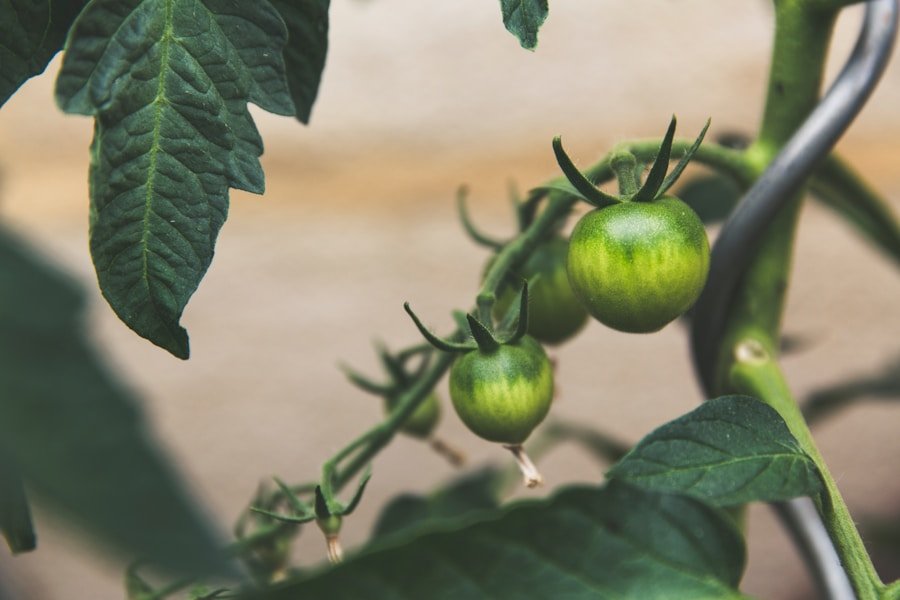
When choosing flowers for companion planting, it’s important to consider the specific needs of the plants in your garden as well as the local climate and growing conditions. Some flowers are particularly well-suited for companion planting due to their ability to attract beneficial insects, repel pests, or improve soil health. For example, marigolds are known for their ability to repel nematodes in the soil, making them a great choice for planting alongside tomatoes and other susceptible plants.
In addition to their pest-repelling properties, some flowers are also known for their ability to attract pollinators and beneficial insects. For example, planting a variety of flowering herbs such as lavender, thyme, and oregano can attract bees and other pollinators that can help to improve fruit set in nearby vegetable plants. Similarly, planting flowers such as cosmos, zinnias, and sunflowers can attract a wide range of beneficial insects that can help to control pest populations and improve overall garden health.
How to Implement Companion Planting with Flowers in Your Garden
Implementing companion planting with flowers in your garden is relatively straightforward and can be done in a variety of ways. One common approach is to interplant flowers with vegetables and herbs in the same bed or row. This can help to create a diverse and visually appealing garden while also providing the benefits of companion planting. For example, you might plant marigolds alongside tomatoes or nasturtiums alongside cucumbers to help repel pests and attract beneficial insects.
Another approach is to create separate flower beds or borders around the perimeter of the garden or between different sections of the garden. This can help to attract beneficial insects and provide a buffer zone between different types of plants. For example, you might plant a border of flowering herbs such as lavender and thyme around the edge of your vegetable garden to attract pollinators and beneficial insects.
Common Mistakes to Avoid in Companion Planting with Flowers
While companion planting with flowers can be highly beneficial for the garden, there are some common mistakes that gardeners should avoid. One common mistake is failing to consider the specific needs of the plants being grown when choosing companion flowers. It’s important to choose flowers that are compatible with the specific growing conditions and needs of the plants in your garden. For example, some flowers may require more water or sunlight than others, so it’s important to choose flowers that will thrive alongside your vegetables and herbs.
Another common mistake is failing to consider the potential negative effects of certain flowers on nearby plants. While some flowers can be highly beneficial for companion planting, others may compete with nearby plants for resources or even release chemicals that inhibit their growth. It’s important to research the potential effects of different flowers before planting them alongside your vegetables and herbs.
Maintaining Your Companion Planted Garden
Once you have implemented companion planting with flowers in your garden, it’s important to maintain the garden to ensure that it continues to thrive. This includes regular watering, weeding, and monitoring for pests and diseases. It’s also important to continue to attract beneficial insects by providing food sources such as nectar-rich flowers and shelter such as nesting sites for bees.
In addition to regular maintenance, it’s also important to rotate crops and change up companion plantings from year to year to prevent the buildup of pests and diseases. This can help to maintain a healthy and balanced ecosystem in the garden while also preventing soil depletion and nutrient imbalances.
Success Stories and Tips from Experienced Gardeners
Many experienced gardeners have had great success with companion planting with flowers in their gardens. One common tip is to plant a diverse range of flowers that bloom at different times throughout the growing season. This can help to attract a wide range of beneficial insects and provide a continuous source of food and shelter throughout the year.
Another tip is to experiment with different combinations of companion plants to find what works best for your specific garden. Every garden is unique, so it’s important to observe how different plants interact with each other and adjust your companion plantings accordingly.
In conclusion, companion planting with flowers can be a highly beneficial practice for any gardener looking to create a more sustainable, diverse, and productive garden. By choosing the right flowers for companion planting, implementing them effectively in your garden, avoiding common mistakes, maintaining your garden, and learning from experienced gardeners, you can create a beautiful and thriving garden that benefits both you and the environment.