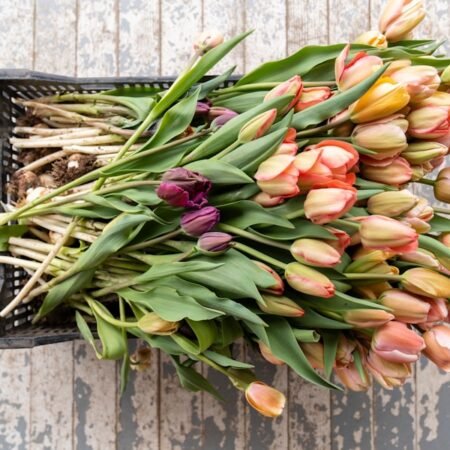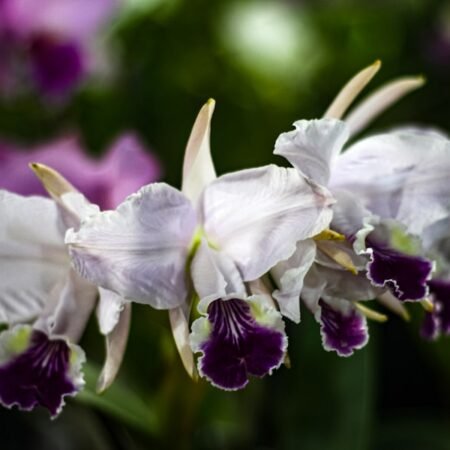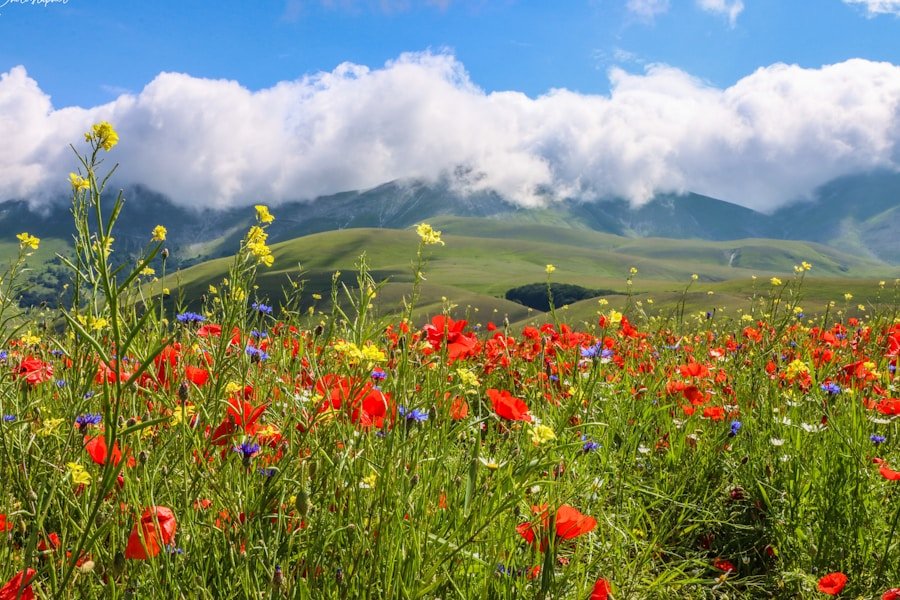

Creating a wildlife-friendly garden is not just about adding beauty to your outdoor space, it is also about providing a safe and welcoming environment for local wildlife. Wildlife habitats are essential for the survival of many species, as they provide food, shelter, and breeding grounds. By creating a wildlife-friendly garden, you are helping to support the local ecosystem and promote biodiversity. This is especially important in urban areas, where natural habitats are often scarce. By providing a habitat for wildlife in your garden, you are helping to create a network of interconnected green spaces that can support a wide range of species.
In addition to supporting local wildlife, creating a wildlife-friendly garden can also provide you with the opportunity to observe and enjoy the natural world around you. By attracting birds, butterflies, and other wildlife to your garden, you can experience the beauty and wonder of nature right outside your door. This can be a great way to connect with the natural world and find peace and tranquility in your own backyard. Overall, understanding the importance of wildlife habitats is crucial for creating a wildlife-friendly garden that can benefit both local wildlife and yourself.
Choosing the Right Plants for Your Wildlife Garden
When creating a wildlife-friendly garden, choosing the right plants is essential for attracting and supporting local wildlife. Native plants are particularly important, as they have evolved alongside local wildlife and provide the best sources of food and shelter. Native plants also require less maintenance and are better adapted to local climate conditions, making them a sustainable choice for your garden. When selecting plants for your wildlife garden, consider choosing a variety of species that bloom at different times of the year to provide a continuous source of nectar for pollinators. Additionally, including a mix of trees, shrubs, and groundcover plants can create diverse habitats for a wide range of wildlife species.
In addition to native plants, consider incorporating plants that provide food sources for wildlife. For example, planting berry-producing shrubs or trees can attract birds and other wildlife that rely on fruit as a food source. Similarly, including plants that attract pollinators, such as bees and butterflies, can help support these important species in your garden. Overall, choosing the right plants for your wildlife garden is crucial for creating a diverse and sustainable habitat that can support a wide range of local wildlife.
Providing Food and Water Sources for Wildlife
In addition to choosing the right plants, providing food and water sources is essential for creating a wildlife-friendly garden. Including bird feeders, bird baths, and other water features can attract a variety of bird species to your garden. Providing fresh water is especially important during dry periods when natural water sources may be scarce. Additionally, including a variety of food sources, such as seeds, nuts, and suet, can help support birds throughout the year. Similarly, providing food sources for other wildlife, such as butterflies and bees, can help attract and support these important pollinators in your garden.
In addition to providing food and water sources, consider creating habitat features that can provide additional food sources for wildlife. For example, leaving leaf litter and fallen branches in your garden can provide shelter for insects and other small creatures that birds and other wildlife rely on as food sources. Similarly, including plants that produce seeds or nuts can provide additional food sources for birds and other wildlife. Overall, providing food and water sources for wildlife is essential for creating a sustainable and welcoming habitat in your garden.
Creating Shelter and Nesting Spaces for Wildlife
In addition to providing food and water sources, creating shelter and nesting spaces is essential for supporting local wildlife in your garden. Including a variety of habitat features, such as trees, shrubs, and grasses, can provide shelter for birds and other wildlife. Additionally, leaving areas of your garden undisturbed can create natural habitat features that provide shelter for insects and other small creatures that birds rely on as food sources. Similarly, including nesting boxes or birdhouses can provide safe places for birds to raise their young.
When creating shelter and nesting spaces for wildlife, consider the specific needs of different species. For example, including dense shrubs or evergreen trees can provide shelter for birds throughout the year. Similarly, including plants that produce berries or seeds can provide additional food sources for birds during the winter months. Additionally, providing nesting materials, such as twigs, leaves, and grass clippings, can help support birds in building their nests in your garden. Overall, creating shelter and nesting spaces for wildlife is essential for supporting local species in your garden.
Maintaining a Wildlife-Friendly Garden
Once you have created a wildlife-friendly garden, it is important to maintain it to ensure that it continues to support local wildlife. Regular maintenance tasks, such as weeding, pruning, and mulching, can help keep your garden healthy and attractive to wildlife. Additionally, avoiding the use of pesticides and herbicides can help protect local wildlife from harmful chemicals. Instead, consider using natural pest control methods, such as attracting beneficial insects or using companion planting techniques to deter pests.
In addition to regular maintenance tasks, consider creating a management plan for your wildlife-friendly garden. This plan can include strategies for managing invasive species, promoting biodiversity, and creating new habitat features to support local wildlife. By actively managing your garden to support local wildlife, you can help create a sustainable and welcoming environment for a wide range of species.
Attracting Specific Wildlife Species to Your Garden
If you have specific wildlife species that you would like to attract to your garden, there are several strategies you can use to create a welcoming habitat for these species. For example, if you are interested in attracting butterflies to your garden, consider planting nectar-rich flowers that provide food sources for adult butterflies. Additionally, including host plants that caterpillars rely on as food sources can help support butterfly populations in your garden.
Similarly, if you are interested in attracting birds to your garden, consider providing a variety of food sources and shelter features that cater to the specific needs of different bird species. For example, including bird feeders with different types of seeds can attract a variety of bird species to your garden. Additionally, providing nesting boxes or birdhouses can create safe places for birds to raise their young in your garden.
Overall, attracting specific wildlife species to your garden requires careful consideration of the specific needs of these species and the creation of habitat features that cater to these needs.
Enjoying the Benefits of a Wildlife-Friendly Garden
Creating a wildlife-friendly garden not only benefits local wildlife but also provides you with the opportunity to enjoy the beauty and wonder of nature right outside your door. By attracting birds, butterflies, and other wildlife to your garden, you can experience the joy of observing these creatures in their natural habitat. This can be a great way to connect with the natural world and find peace and tranquility in your own backyard.
Additionally, creating a wildlife-friendly garden can provide educational opportunities for children and adults alike. By observing the behavior of local wildlife in your garden, you can learn about the natural world and gain a greater appreciation for the interconnectedness of all living things. This can be a great way to instill a love of nature in children and inspire them to become stewards of the environment.
Overall, enjoying the benefits of a wildlife-friendly garden is not only about observing local wildlife but also about finding joy and inspiration in the natural world around you. By creating a welcoming habitat for local wildlife in your garden, you can experience the beauty and wonder of nature right outside your door.