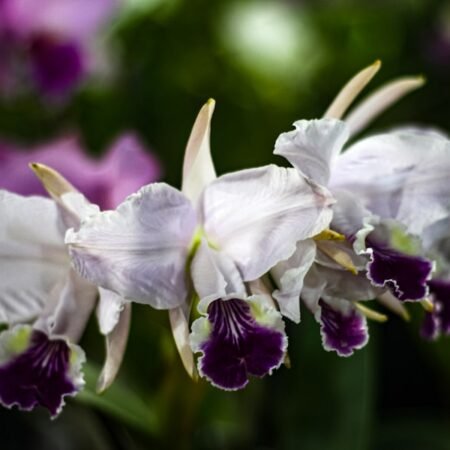

For some people, the idea of receiving flowers as a gift may not be as appealing as it is for others. There are various reasons why some individuals may resist the idea of receiving flowers. One common reason is that they may have allergies to certain types of flowers, which can make the gift more of a burden than a pleasure. Additionally, some people may simply not have a green thumb and feel overwhelmed by the responsibility of caring for a living plant. Others may have had negative experiences with flowers in the past, such as receiving them during a difficult time or as a result of a conflict, which can create a negative association with the gift. Understanding these reasons can help in choosing the right flowers and presenting them in a way that is more likely to be well-received.
Another reason for resistance to flowers may be a lack of understanding or appreciation for their beauty and symbolism. Some individuals may not see the value in receiving flowers as a gift, viewing them as temporary and fleeting rather than as a meaningful gesture. It’s important to consider these perspectives when choosing flowers for non-flower lovers and to find ways to present them in a way that highlights their beauty and significance. By understanding the reasons behind the resistance to flowers, it becomes easier to address concerns and dislikes and to find creative ways to present flowers that are more likely to be appreciated.
Choosing the Right Flowers for Non-Flower Lovers
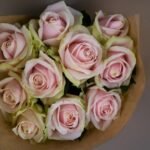
When choosing flowers for non-flower lovers, it’s important to consider their preferences and any potential concerns they may have. One approach is to choose flowers that are less fragrant, as strong scents can be off-putting for some individuals. Opting for flowers with a more subtle fragrance or even choosing varieties that are scentless can help to make the gift more appealing. Additionally, considering the color and appearance of the flowers is important. Some people may have specific color preferences or aversions, so it’s important to choose flowers that align with their tastes. For example, if someone dislikes bright, bold colors, opting for more muted or pastel tones may be a better choice.
Another consideration when choosing flowers for non-flower lovers is the longevity of the blooms. Some individuals may appreciate flowers that last longer, such as orchids or succulents, as they require less maintenance and can be enjoyed for an extended period of time. Additionally, considering the symbolism of different flowers can help in choosing the right variety for the recipient. For example, opting for flowers that symbolize friendship or gratitude can help to convey a meaningful message and make the gift more personal. By taking these factors into account, it becomes easier to choose flowers that are more likely to be well-received by non-flower lovers.
Creative Ways to Present Flowers
When presenting flowers to someone who may not typically appreciate them, finding creative and thoughtful ways to present the gift can make all the difference. One approach is to pair the flowers with a meaningful card or note that explains the significance of the blooms and why they were chosen. This can help to add depth and meaning to the gift, making it more personal and thoughtful. Additionally, considering the presentation of the flowers can make a big impact. Instead of simply handing over a bouquet, consider arranging the flowers in a unique vase or container that aligns with the recipient’s tastes and preferences.
Another creative way to present flowers is to incorporate them into a larger gift or experience. For example, pairing the flowers with a small gift or token of appreciation can help to make the gesture more meaningful. Additionally, planning an experience around the gift of flowers, such as a picnic or outing to a botanical garden, can help to create lasting memories and associations with the blooms. By thinking outside the box and finding creative ways to present flowers, it becomes easier to make the gift more appealing and meaningful for non-flower lovers.
Personalizing the Gift of Flowers
Personalizing the gift of flowers can help to make it more meaningful and appealing for non-flower lovers. One approach is to choose flowers that hold personal significance for the recipient. For example, selecting blooms that are associated with a special memory or event can help to make the gift more personal and thoughtful. Additionally, considering the recipient’s tastes and preferences when choosing the flowers can help to make the gift more appealing. For example, if someone has a favorite flower or color, incorporating these elements into the bouquet can help to make it more meaningful.
Another way to personalize the gift of flowers is to consider the presentation and packaging of the blooms. Choosing a unique vase or container that aligns with the recipient’s tastes can help to make the gift more personal and thoughtful. Additionally, adding personal touches such as ribbons, decorative accents, or even a handwritten note can help to make the gift more special. By taking these steps to personalize the gift of flowers, it becomes easier to make it more appealing and meaningful for non-flower lovers.
Exploring Alternative Floral Gifts
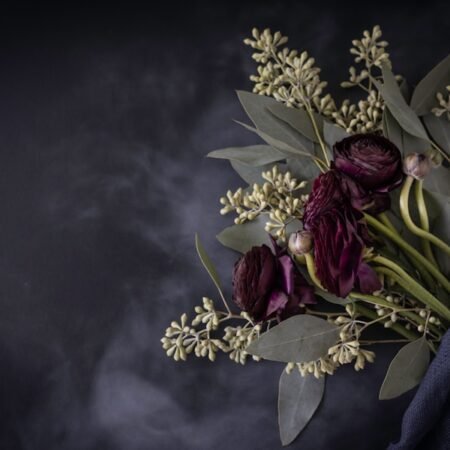
For individuals who may not typically appreciate traditional bouquets of flowers, exploring alternative floral gifts can be a great way to find something that is more likely to be well-received. One option is to consider potted plants or succulents as an alternative to cut flowers. These options require less maintenance and can be enjoyed for an extended period of time, making them more appealing for some individuals. Additionally, considering floral arrangements that incorporate other elements such as dried flowers, branches, or greenery can help to create a unique and interesting gift that may be more appealing for non-flower lovers.
Another alternative floral gift option is to consider floral-scented products such as candles, soaps, or perfumes. These items allow individuals to enjoy the beauty and fragrance of flowers without having to care for living plants, making them a great option for those who may have concerns about receiving traditional bouquets. Additionally, considering floral-themed artwork or home decor items can be a great way to incorporate the beauty of flowers into a gift in a way that may be more appealing for non-flower lovers.
Addressing Concerns and Dislikes
When giving flowers to someone who may have concerns or dislikes about receiving them, it’s important to address these issues in a thoughtful and considerate manner. One approach is to have an open and honest conversation with the recipient about their concerns and dislikes regarding flowers. By understanding their perspective and addressing any specific concerns they may have, it becomes easier to find ways to present flowers in a way that is more likely to be well-received.
Another approach is to consider alternative options that align with the recipient’s preferences and concerns. For example, if someone has allergies to certain types of flowers, opting for scentless varieties or alternative floral gifts such as potted plants or floral-scented products can help to address these concerns while still conveying a thoughtful gesture. Additionally, considering the recipient’s tastes and preferences when choosing flowers can help to ensure that the gift is well-received. By taking these steps to address concerns and dislikes in a considerate manner, it becomes easier to find ways to present flowers that are more likely to be appreciated.
The Power of Flowers to Change Minds
Despite any initial resistance or concerns about receiving flowers, it’s important to recognize the power that flowers have to change minds and create positive associations. The beauty and symbolism of flowers have been cherished by cultures around the world for centuries, and their ability to convey emotions and messages makes them a powerful and meaningful gift. By presenting flowers in a thoughtful and considerate manner, it’s possible to change perceptions and create positive associations with receiving blooms.
Additionally, considering the impact that flowers can have on mood and well-being can help in understanding their power to change minds. Research has shown that being surrounded by flowers can have a positive impact on mental health, reducing stress and anxiety while promoting feelings of happiness and well-being. By recognizing these benefits, it becomes easier to see how receiving flowers can be a meaningful and positive experience for non-flower lovers.
In conclusion, while some individuals may initially resist receiving flowers as a gift, there are many ways to address concerns and dislikes in order to make the gesture more meaningful and appealing. By understanding the reasons behind this resistance and taking steps to personalize and present flowers in creative ways, it’s possible to change perceptions and create positive associations with receiving blooms. The power of flowers to convey emotions and messages, as well as their ability to positively impact mood and well-being, makes them a meaningful and thoughtful gift for individuals of all preferences and tastes.