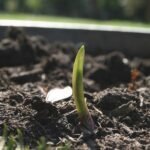

Propagation is the process of creating new plants from existing ones. There are several methods of propagation, including seed propagation, cutting propagation, division, and layering. Each method has its own advantages and disadvantages, and the best method for your flowering plants will depend on the type of plant and your specific goals.
Seed propagation is the process of growing new plants from seeds. This method is often used for annuals and some perennials, as well as for plants that are difficult to propagate using other methods. Cutting propagation involves taking a cutting from a parent plant and encouraging it to grow roots and become a new plant. This method is commonly used for many types of flowering plants, including roses, lavender, and hydrangeas. Division is the process of dividing a mature plant into smaller sections, each of which can grow into a new plant. This method is often used for perennials that have clumping growth habits, such as hostas and daylilies. Layering is a method of propagation in which a stem or branch of a plant is encouraged to grow roots while still attached to the parent plant, and then is separated to become a new plant. This method is commonly used for plants with flexible stems, such as certain types of shrubs and vines.
Choosing the Right Method for Your Flowering Plants
When choosing a propagation method for your flowering plants, it’s important to consider the specific needs and characteristics of the plants you want to propagate. Some plants are more easily propagated from seeds, while others are better suited to cutting propagation or division. Additionally, some plants may respond better to one method over another based on their growth habits and environmental conditions. For example, plants that have a tendency to spread through underground runners may be well-suited to division, while plants that have woody stems may be better suited to cutting propagation.
It’s also important to consider your own goals and resources when choosing a propagation method. For example, if you want to create a large number of new plants quickly, seed propagation may be the best option. On the other hand, if you have limited space or resources, cutting propagation or division may be more practical. Additionally, some methods of propagation may require more specialized equipment or expertise than others, so it’s important to consider your own skills and resources when choosing a method.
Preparing Your Plants for Propagation
Before you begin the propagation process, it’s important to ensure that your parent plants are healthy and well-prepared for the process. This includes providing them with the proper care and maintenance leading up to propagation, as well as making sure they are in the right condition for successful propagation.
One important aspect of preparing your plants for propagation is ensuring that they are well-hydrated and well-fed. This will help ensure that they have the energy and resources needed to produce healthy offspring. Additionally, it’s important to make sure that your parent plants are free from pests and diseases, as these can be passed on to the new plants through propagation.
Another important aspect of preparing your plants for propagation is ensuring that they are in the right stage of growth for successful propagation. For example, when propagating from cuttings, it’s important to take cuttings from healthy, actively growing stems. Similarly, when propagating from seeds, it’s important to collect seeds at the right time and under the right conditions to ensure their viability.
Propagation Techniques for Different Types of Flowering Plants
Different types of flowering plants may require different propagation techniques in order to be successful. For example, some plants may be more easily propagated from seeds, while others may be better suited to cutting propagation or division. Additionally, some plants may require more specialized techniques in order to be successfully propagated.
For example, many annual flowering plants can be easily propagated from seeds. These plants typically produce large quantities of seeds that can be collected and sown in the ground or in containers to produce new plants. On the other hand, many perennial flowering plants may be better suited to cutting propagation or division. For example, many types of roses can be easily propagated from cuttings taken from healthy, actively growing stems.
Some types of flowering plants may require more specialized techniques in order to be successfully propagated. For example, some plants may require scarification or stratification in order for their seeds to germinate successfully. Additionally, some plants may require specific environmental conditions in order for their cuttings or divisions to root successfully.
Troubleshooting Common Issues in Propagation
Propagation can be a challenging process, and there are several common issues that can arise during the propagation process. It’s important to be aware of these issues so that you can address them quickly and effectively in order to ensure successful propagation.
One common issue in propagation is poor rooting or germination. This can occur for a variety of reasons, including improper environmental conditions, poor plant health, or improper handling of seeds or cuttings. To address this issue, it’s important to carefully monitor the environmental conditions for your propagating plants and make any necessary adjustments to ensure that they have the best chance of success.
Another common issue in propagation is disease or pest infestations. These can be particularly problematic during the propagation process, as they can quickly spread to new plants and cause widespread damage. To address this issue, it’s important to carefully monitor your parent plants for signs of disease or pests and take appropriate measures to control them before they can spread to your new plants.
Caring for Newly Propagated Plants
Once you have successfully propagated your flowering plants, it’s important to provide them with the proper care in order to ensure their continued health and success. This includes providing them with the right environmental conditions, as well as monitoring them for signs of stress or disease.
One important aspect of caring for newly propagated plants is providing them with the right environmental conditions. This includes providing them with the right amount of light, water, and nutrients in order to support their growth and development. Additionally, it’s important to protect them from extreme temperatures and other environmental stressors that could negatively impact their health.
Another important aspect of caring for newly propagated plants is monitoring them for signs of stress or disease. This includes regularly inspecting them for signs of wilting, yellowing leaves, or other symptoms of stress, as well as monitoring them for signs of disease or pest infestations.
Creative Ways to Display Your Propagated Flowering Plants
Once you have successfully propagated your flowering plants, you may be looking for creative ways to display them in your home or garden. There are many creative ways to display propagated flowering plants, ranging from traditional garden beds and containers to more unconventional options.
One popular way to display propagated flowering plants is in traditional garden beds or containers. This allows you to showcase your new plants in a natural setting while also providing them with the right environmental conditions for their continued growth and success.
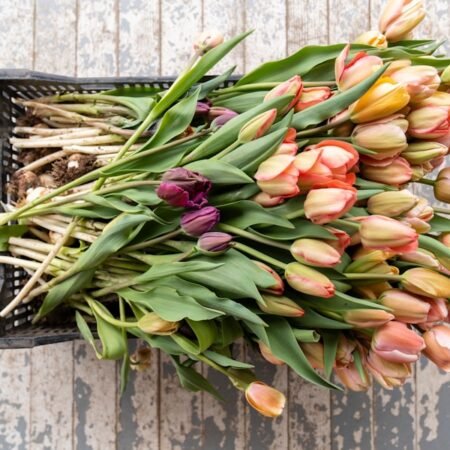
Another creative way to display propagated flowering plants is by using them in floral arrangements or other decorative displays. For example, you could use your propagated flowers in bouquets or centerpieces for special occasions, or create living wreaths or other decorative items using your new plants.
Additionally, you could use your propagated flowering plants in more unconventional ways, such as creating living walls or vertical gardens using your new plants. This allows you to showcase your new plants in a unique and eye-catching way while also maximizing your use of space in your home or garden.
In conclusion, propagation is an important skill for any gardener or plant enthusiast to master. By understanding the basics of propagation and choosing the right method for your flowering plants, preparing your plants for propagation, using the appropriate techniques for different types of flowering plants, troubleshooting common issues in propagation, caring for newly propagated plants, and finding creative ways to display your propagated flowering plants, you can successfully propagate a wide variety of beautiful flowers and enjoy their beauty in your home or garden for years to come.