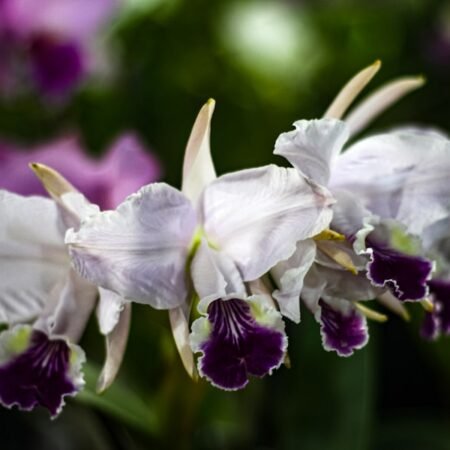

Nutrient deficiencies in flower plants occur when the plant is not receiving an adequate amount of essential nutrients for healthy growth and development. There are several key nutrients that are essential for flower plants, including nitrogen, phosphorus, potassium, calcium, magnesium, and sulfur. Each of these nutrients plays a critical role in the plant’s overall health and vitality. When a plant is lacking in one or more of these nutrients, it can exhibit a range of symptoms that indicate a deficiency. Understanding the specific nutrient needs of your flower plants is essential for maintaining their health and ensuring they reach their full potential.
In addition to the essential macronutrients, flower plants also require a range of micronutrients, such as iron, manganese, zinc, copper, and boron. While these nutrients are only needed in small quantities, they are still crucial for the plant’s overall health and well-being. When a plant is deficient in any of these micronutrients, it can lead to stunted growth, yellowing leaves, and poor flower production. By understanding the specific nutrient requirements of your flower plants, you can take proactive steps to prevent deficiencies and ensure they have everything they need to thrive.
Identifying Common Nutrient Deficiency Symptoms
One of the first steps in addressing nutrient deficiencies in flower plants is being able to identify the common symptoms associated with each nutrient. For example, a nitrogen deficiency may cause the leaves of the plant to turn yellow or pale green, while a phosphorus deficiency can lead to stunted growth and poor flower production. Potassium deficiencies may result in brown or yellow spots on the leaves, while calcium deficiencies can cause blossom end rot in flowering plants. By being able to recognize these symptoms, you can quickly determine which nutrient your plant is lacking and take appropriate action to address the deficiency.
In addition to visual symptoms, nutrient deficiencies can also manifest as changes in the plant’s overall health and vigor. For example, a magnesium deficiency may cause the plant to exhibit signs of stress, such as wilting or drooping leaves. Similarly, a sulfur deficiency can lead to poor root development and overall weakness in the plant. By paying close attention to the overall health and appearance of your flower plants, you can quickly identify any potential nutrient deficiencies and take steps to correct them before they become more severe.
Rapid Correction Methods for Nutrient Deficiencies
When you identify a nutrient deficiency in your flower plants, it’s important to take swift action to correct the issue and prevent further damage to the plant. There are several rapid correction methods that can be used to address nutrient deficiencies and restore the plant’s health. One of the most effective methods is to apply a liquid fertilizer that is specifically formulated to address the nutrient deficiency at hand. Liquid fertilizers are quickly absorbed by the plant’s roots, allowing for rapid uptake of essential nutrients and fast correction of deficiencies.
Another rapid correction method for nutrient deficiencies is to apply a foliar spray directly to the leaves of the plant. Foliar sprays are an effective way to deliver essential nutrients directly to the plant’s foliage, allowing for quick absorption and correction of deficiencies. In addition to liquid fertilizers and foliar sprays, you can also use slow-release fertilizers that are designed to provide a steady supply of essential nutrients over an extended period of time. These fertilizers can help to address nutrient deficiencies while also providing long-term support for the plant’s overall health and vitality.
Choosing the Right Fertilizer for Your Flower Plants
Choosing the right fertilizer for your flower plants is essential for ensuring they receive the proper balance of essential nutrients. There are many different types of fertilizers available, each with its own unique blend of nutrients and application methods. When selecting a fertilizer for your flower plants, it’s important to consider their specific nutrient needs and growth stage. For example, flowering plants may require a fertilizer that is high in phosphorus to support healthy flower production, while leafy green plants may benefit from a fertilizer that is higher in nitrogen for lush foliage growth.
In addition to considering the nutrient content of the fertilizer, it’s also important to choose a product that is suitable for your specific growing conditions. For example, if you are growing flower plants in containers or raised beds, you may want to choose a fertilizer that is specifically formulated for use in containers. Similarly, if you are growing plants in acidic soil, you may want to choose a fertilizer that is designed to help balance the pH of the soil. By selecting a fertilizer that is tailored to your specific growing conditions and the needs of your flower plants, you can ensure they receive the essential nutrients they need for healthy growth and development.
Implementing a Nutrient-Rich Watering Schedule
In addition to using fertilizers to provide essential nutrients to your flower plants, it’s also important to implement a nutrient-rich watering schedule. Watering your plants with water that has been enriched with essential nutrients can help to ensure they receive a steady supply of the nutrients they need for healthy growth and development. One way to enrich your watering schedule is by using a water-soluble fertilizer that can be added directly to your watering can or irrigation system. This allows you to deliver essential nutrients directly to the plant’s roots every time you water, ensuring they receive a consistent supply of nutrients.
Another way to implement a nutrient-rich watering schedule is by using compost tea or other organic fertilizers that can be added to your watering routine. Compost tea is made by steeping compost in water and allowing it to ferment, creating a nutrient-rich liquid that can be used to water your plants. Similarly, other organic fertilizers such as fish emulsion or seaweed extract can be added to your watering schedule to provide essential nutrients to your flower plants. By incorporating these nutrient-rich watering methods into your routine, you can ensure your plants receive a steady supply of essential nutrients for healthy growth and development.
Using Foliar Sprays for Quick Nutrient Absorption
In addition to using foliar sprays as a rapid correction method for nutrient deficiencies, they can also be used as a regular part of your plant care routine to provide essential nutrients directly to the plant’s foliage. Foliar sprays are an effective way to deliver essential nutrients directly to the leaves of the plant, allowing for quick absorption and utilization by the plant. This can be especially beneficial for flower plants that may have difficulty absorbing nutrients through their roots due to compacted or depleted soil.
When using foliar sprays for quick nutrient absorption, it’s important to choose a product that is specifically formulated for foliar application and contains the essential nutrients your flower plants need. These sprays can be applied directly to the leaves of the plant using a spray bottle or garden sprayer, allowing for quick uptake of essential nutrients. By incorporating foliar sprays into your regular plant care routine, you can ensure your flower plants receive a steady supply of essential nutrients for healthy growth and development.
Preventing Future Nutrient Deficiencies in Flower Plants
While rapid correction methods can help address existing nutrient deficiencies in flower plants, it’s also important to take proactive steps to prevent future deficiencies from occurring. One way to prevent nutrient deficiencies is by regularly testing the soil to determine its nutrient content and pH levels. By understanding the specific needs of your flower plants and the condition of your soil, you can take appropriate steps to ensure they receive the essential nutrients they need for healthy growth.
In addition to soil testing, it’s also important to maintain a regular fertilization schedule that provides your flower plants with a steady supply of essential nutrients throughout their growing season. This may involve using slow-release fertilizers, liquid fertilizers, or organic fertilizers that are tailored to the specific needs of your plants. By providing your flower plants with a consistent supply of essential nutrients, you can help prevent future deficiencies and ensure they have everything they need to thrive.
Another important aspect of preventing future nutrient deficiencies in flower plants is maintaining proper watering practices. Overwatering or underwatering can both lead to nutrient deficiencies in plants, so it’s important to establish a watering schedule that provides your plants with the right amount of moisture without causing stress or nutrient leaching from the soil. By taking proactive steps to prevent future nutrient deficiencies in your flower plants, you can help ensure they remain healthy and vibrant throughout their growing season.
In conclusion, understanding nutrient deficiencies in flower plants is essential for maintaining their health and vitality. By being able to identify common deficiency symptoms and implementing rapid correction methods, you can address existing deficiencies and restore your plants’ health. Choosing the right fertilizer and implementing a nutrient-rich watering schedule can help provide your flower plants with essential nutrients for healthy growth and development. Using foliar sprays for quick nutrient absorption and taking proactive steps to prevent future deficiencies can help ensure your flower plants remain healthy and vibrant throughout their growing season. By understanding their specific nutrient needs and taking appropriate action, you can help your flower plants reach their full potential and thrive in your garden or landscape.