
Repotting is an essential part of plant care that is often overlooked by many gardeners. It is crucial for the health and growth of your plants, as it allows them to have access to fresh nutrients and space for their roots to grow. Over time, the soil in a plant’s pot can become compacted, which can restrict the plant’s ability to absorb water and nutrients. Repotting also gives you the opportunity to inspect the roots of your plant and remove any that are damaged or diseased. This can help prevent the spread of disease and ensure the overall health of your plant. Additionally, repotting allows you to refresh the soil, which can help prevent the buildup of salts and minerals that can be harmful to your plant. Overall, repotting is a crucial part of plant care that should not be overlooked.
Repotting is also important for the aesthetic appeal of your plants. As plants grow, they can outgrow their pots, becoming root-bound and top-heavy. Repotting allows you to give your plants a fresh start, providing them with the space they need to grow and thrive. It also gives you the opportunity to choose a new pot that complements the size and style of your plant, enhancing its overall appearance. By repotting your plants regularly, you can ensure that they continue to look their best and remain healthy for years to come.
Choosing the Right Time to Repot
Choosing the right time to repot your plants is crucial for their overall health and success. In general, it is best to repot plants in the spring, as this is when they are entering their active growing phase. This allows them to quickly recover from the stress of being repotted and establish themselves in their new pot before the growing season begins. However, if you notice that your plant is becoming root-bound or is showing signs of stress, such as wilting or yellowing leaves, it may be necessary to repot it at any time of year.
It is also important to consider the specific needs of your plant when choosing the right time to repot. For example, some plants may benefit from being repotted after they have finished flowering, while others may need to be repotted before they begin their active growing phase. Additionally, if you are repotting a plant that has been recently purchased, it is important to wait at least a few weeks before repotting it to allow it to acclimate to its new environment. By choosing the right time to repot your plants, you can ensure that they have the best chance of thriving in their new pot.
Selecting the Correct Pot and Soil
Selecting the correct pot and soil for repotting your plants is essential for their overall health and success. When choosing a new pot for your plant, it is important to consider its size and drainage capabilities. The new pot should be slightly larger than the current one, allowing room for the plant’s roots to grow. It should also have drainage holes to prevent water from accumulating at the bottom of the pot, which can lead to root rot.
In addition to choosing the right pot, it is important to select the correct soil for your plant. Different types of plants have different soil requirements, so it is important to choose a soil that is appropriate for your specific plant. For example, succulents and cacti require a well-draining soil mix, while tropical plants may benefit from a soil mix that retains moisture. It is also important to consider the pH level of the soil, as some plants may require a more acidic or alkaline soil. By selecting the correct pot and soil for your plant, you can ensure that it has the best chance of thriving in its new environment.
Preparing the Plant for Repotting
Before repotting your plant, it is important to take the time to prepare it for the process. This includes watering your plant thoroughly a day or two before repotting, as this will help loosen the soil and make it easier to remove the plant from its current pot. It is also important to inspect your plant for any signs of disease or pests, as these should be addressed before repotting.
In addition to preparing your plant, it is important to gather all of the necessary supplies for repotting, including a new pot, fresh soil, and any tools that may be needed. This will help ensure that the repotting process goes smoothly and efficiently. It is also important to choose a location for repotting that is well-lit and free from drafts, as this will help minimize stress on your plant during the process.
Repotting Techniques for Different Types of Flowering Plants
The process of repotting can vary depending on the type of flowering plant you are working with. For example, when repotting a flowering plant with a fibrous root system, such as African violets or begonias, it is important to carefully remove the plant from its current pot and gently tease apart the roots before placing it in its new pot. This will help prevent damage to the roots and ensure that the plant has room to grow in its new environment.
On the other hand, when repotting a flowering plant with a taproot system, such as roses or daisies, it is important to handle the roots with care and avoid disturbing them too much during the repotting process. It may also be necessary to trim any long or damaged roots before placing the plant in its new pot.
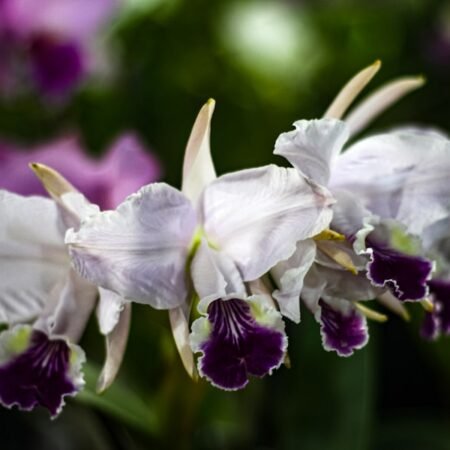
For flowering plants that are prone to becoming root-bound, such as orchids or peace lilies, it is important to carefully inspect the roots before repotting and remove any that are circling around the bottom of the pot. This will help prevent the plant from becoming root-bound in its new pot and ensure that it has room to grow.
Post-Repotting Care and Maintenance
After repotting your flowering plants, it is important to provide them with proper care and maintenance to help them adjust to their new environment. This includes watering your plants thoroughly after repotting and placing them in a location that receives adequate light and airflow. It is also important to avoid fertilizing your plants immediately after repotting, as this can cause stress on their roots.
In addition to providing proper care after repotting, it is important to monitor your plants for any signs of stress or disease in the weeks following repotting. This includes checking for wilting or yellowing leaves, as well as inspecting the roots for any signs of rot or damage. By providing your plants with proper care and monitoring them closely after repotting, you can help ensure that they have the best chance of thriving in their new environment.
Troubleshooting Common Repotting Issues
Despite your best efforts, there may be times when issues arise after repotting your flowering plants. One common issue that can occur after repotting is transplant shock, which can cause wilting or yellowing leaves as well as stunted growth. To help your plants recover from transplant shock, it is important to provide them with proper care and avoid overwatering or fertilizing them immediately after repotting.
Another common issue that can occur after repotting is root rot, which can be caused by overwatering or poor drainage in the new pot. To prevent root rot from occurring, it is important to ensure that your new pot has adequate drainage holes and that you are watering your plants properly. If you notice any signs of root rot in your plants after repotting, it is important to address this issue immediately by removing any affected roots and adjusting your watering practices.
In conclusion, repotting flowering plants is an essential part of plant care that should not be overlooked. By understanding the importance of repotting, choosing the right time to repot, selecting the correct pot and soil, preparing your plants for repotting, using proper repotting techniques for different types of flowering plants, providing post-repotting care and maintenance, and troubleshooting common repotting issues, you can help ensure that your plants continue to thrive and remain healthy for years to come. With proper care and attention, your flowering plants will reward you with beautiful blooms and lush foliage for many seasons.

Other Articles