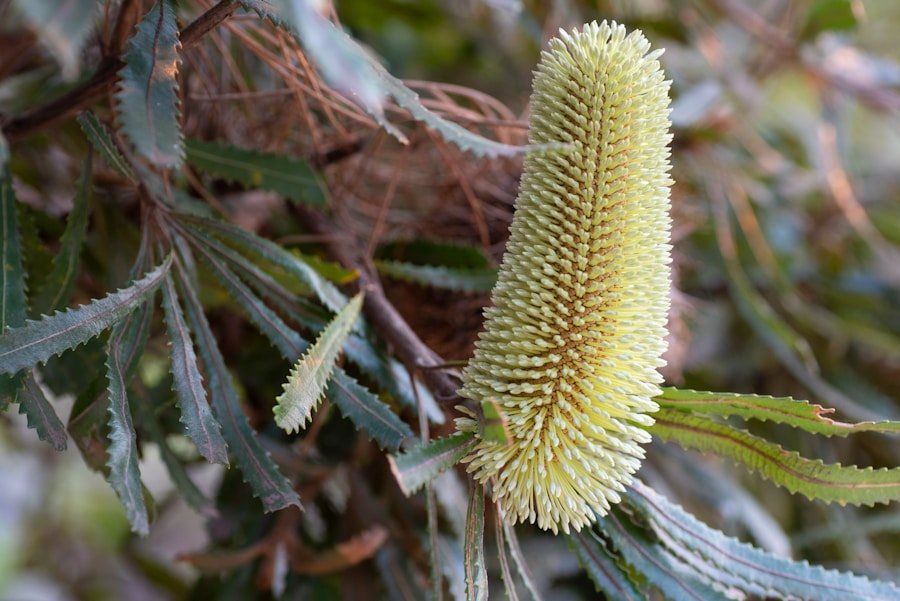

Native plants and flowers are an essential part of any garden, providing a range of benefits for both the environment and the gardener. One of the key advantages of using native plants is their ability to thrive in their natural habitat, requiring less maintenance and water than non-native species. This makes them an excellent choice for gardeners looking to create a low-maintenance, sustainable garden. Additionally, native plants and flowers play a crucial role in supporting local ecosystems, providing food and habitat for native wildlife such as birds, bees, and butterflies. By incorporating native plants into your garden, you can help to preserve and protect the natural biodiversity of your local area.
Furthermore, native plants and flowers are often better adapted to local climate conditions, making them more resilient to extreme weather events such as droughts or heavy rainfall. This can help to reduce the need for chemical pesticides and fertilizers, promoting a healthier and more sustainable garden environment. In addition, many native plants have deep root systems that help to prevent soil erosion and improve water retention, making them an excellent choice for gardeners looking to improve the health of their soil. Overall, the use of native plants and flowers in the garden can have a positive impact on the environment, as well as providing a beautiful and diverse landscape for you to enjoy.
Identifying the Best Native Plants for Each Season
When planning a year-round garden with native plants, it’s important to consider which species will thrive in each season. In the spring, for example, you may want to consider planting native wildflowers such as bluebells, primroses, or cowslips, which will provide a burst of color and nectar for early pollinators. As summer approaches, you can introduce species such as meadow cranesbill, oxeye daisies, and red campion, which will continue to attract pollinators and provide a vibrant display of color. In the fall, consider planting species such as Michaelmas daisies, devil’s-bit scabious, and common knapweed, which will provide food and shelter for wildlife as they prepare for the winter months.
In the winter, it’s important to choose native plants that will provide interest and structure in the garden, such as evergreen shrubs like holly or ivy, or ornamental grasses like pampas grass or muhly grass. By carefully selecting a range of native plants that will thrive in each season, you can create a diverse and dynamic garden that will provide interest and beauty throughout the year.
Creating a Year-Round Garden Plan with Native Plants
Creating a year-round garden plan with native plants requires careful consideration of the specific needs and requirements of each species. Start by researching which native plants are best suited to your local climate and soil conditions, as well as which species will provide food and habitat for local wildlife. Once you have identified suitable species for each season, create a planting plan that takes into account the height, spread, and flowering times of each plant, ensuring that you achieve a balanced and harmonious display throughout the year.
When designing your year-round garden plan, consider incorporating a range of different plant types, including trees, shrubs, perennials, and annuals, to create a diverse and dynamic landscape. Pay attention to the natural growth habits of each species, allowing them space to spread and develop without overcrowding or overshadowing one another. By carefully planning and designing your year-round garden with native plants, you can create a beautiful and sustainable landscape that will provide interest and enjoyment throughout the changing seasons.
Incorporating Native Plants into Existing Garden Designs
Incorporating native plants into existing garden designs can be a rewarding and enjoyable process, allowing you to enhance the beauty and biodiversity of your garden while supporting local wildlife. Start by assessing your existing garden layout and identifying areas where native plants could be introduced to complement or enhance the existing design. Consider creating wildlife-friendly borders or meadow areas using native wildflowers, or adding native shrubs and trees to provide structure and interest throughout the year.
When incorporating native plants into existing garden designs, it’s important to consider the specific requirements of each species, ensuring that they are planted in suitable locations with the right soil conditions and exposure to sunlight. Take into account the natural growth habits of each plant, allowing them space to spread and develop without overcrowding or overshadowing other species. By carefully integrating native plants into your existing garden design, you can create a beautiful and sustainable landscape that will provide interest and enjoyment for years to come.
Tips for Maintaining Native Plants and Flowers Throughout the Year
Maintaining native plants and flowers throughout the year requires careful attention to their specific needs and requirements. Start by regularly monitoring your garden for signs of pests or diseases, taking prompt action to address any issues before they become a problem. Water your native plants as needed, taking care to avoid overwatering or underwatering, and mulch around the base of each plant to help retain moisture and suppress weeds.
In addition, it’s important to regularly deadhead spent flowers and prune back any overgrown or damaged growth to encourage healthy new growth. Consider applying a layer of organic compost or fertilizer in the spring to provide essential nutrients for your native plants as they begin their growing season. By following these tips for maintaining native plants and flowers throughout the year, you can ensure that your garden remains healthy and vibrant, providing a beautiful and sustainable habitat for local wildlife.
Attracting Wildlife with Native Plants and Flowers
One of the key benefits of using native plants in the garden is their ability to attract a wide range of wildlife, including birds, bees, butterflies, and other pollinators. By carefully selecting a variety of native plants that provide food and habitat for local wildlife throughout the year, you can create a diverse and dynamic ecosystem in your garden. Consider planting species such as buddleia, lavender, or hebe to attract butterflies and bees in the summer months, or introducing berry-bearing shrubs like hawthorn or rowan to provide food for birds in the fall.
In addition to providing food for wildlife, native plants also offer essential habitat for nesting birds and shelter for small mammals. By creating a wildlife-friendly garden with native plants and flowers, you can help to support local biodiversity while enjoying the beauty and activity of visiting wildlife throughout the year.
Resources for Finding Native Plants and Flowers for Your Garden
Finding native plants and flowers for your garden can be an enjoyable and rewarding process, with a range of resources available to help you identify suitable species for your local area. Start by researching online databases or plant guides that provide information on native plants that are well-suited to your specific climate and soil conditions. Many local nurseries or garden centers also offer a selection of native plants that have been grown locally and are well-adapted to your area.
In addition, consider reaching out to local conservation organizations or gardening groups for advice on where to find native plants in your area. Many of these organizations offer plant sales or events where you can purchase native plants directly from growers who specialize in cultivating local species. By utilizing these resources for finding native plants and flowers for your garden, you can ensure that you are supporting local biodiversity while creating a beautiful and sustainable landscape for you to enjoy.