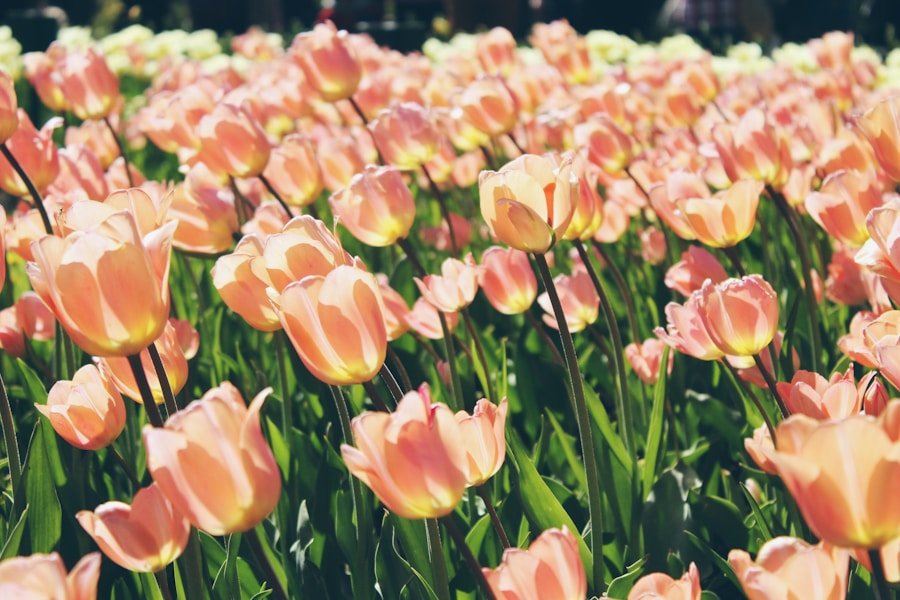

Compost is a valuable resource for flower gardeners, providing a wide range of benefits for plant growth and health. One of the primary benefits of using compost in your flower garden is its ability to improve soil structure. Compost is rich in organic matter, which helps to create a loose, crumbly soil texture that is ideal for flower roots to grow and spread. This improved soil structure also allows for better water retention and drainage, ensuring that your flowers have access to the moisture they need without becoming waterlogged.
In addition to improving soil structure, compost also provides essential nutrients for flower growth. As organic matter decomposes, it releases a variety of nutrients such as nitrogen, phosphorus, and potassium, as well as micronutrients like calcium, magnesium, and sulfur. These nutrients are essential for healthy flower growth, providing the building blocks for strong stems, vibrant blooms, and overall plant vigor. Furthermore, the organic matter in compost acts as a slow-release fertilizer, providing a steady supply of nutrients to your flowers over time. This can help to reduce the need for additional fertilization and promote more sustainable gardening practices.
Choosing the Right Compost for Your Flower Garden
When it comes to choosing the right compost for your flower garden, there are a few key factors to consider. First and foremost, you’ll want to ensure that the compost you use is fully matured and free of any potential pathogens or weed seeds. Look for compost that has been properly aged and decomposed, with a dark, crumbly texture and an earthy, pleasant smell. Avoid using fresh or unfinished compost, as it can be too high in nitrogen and may contain harmful pathogens that could harm your flowers.
In addition to maturity, it’s important to consider the source of your compost. While you can certainly make your own compost at home using kitchen scraps and yard waste, you may also choose to purchase compost from a reputable supplier. Look for compost that is made from a diverse mix of organic materials, such as leaves, grass clippings, and food waste, as this will provide a wider range of nutrients for your flowers. You may also want to consider using specialized compost blends that are formulated specifically for flower gardening, as these may contain additional ingredients like beneficial microbes or mycorrhizal fungi that can further enhance plant growth.
Incorporating Compost into Your Flower Bed
Once you’ve selected the right compost for your flower garden, it’s time to incorporate it into your flower bed. There are several different methods you can use to add compost to your garden, depending on the specific needs of your flowers and the condition of your soil. One common approach is to spread a layer of compost over the surface of your flower bed and gently work it into the top few inches of soil using a garden fork or tiller. This can help to improve soil structure and provide an immediate boost of nutrients for your flowers.
Another option is to mix compost directly into the planting hole when transplanting new flowers or bulbs. This can help to provide a nutrient-rich environment for young plants as they establish their roots in the soil. You can also use compost as a topdressing around established flowers, applying a thin layer of compost around the base of each plant to provide ongoing nutrition and moisture retention. No matter which method you choose, be sure to avoid compacting the soil excessively when working with compost, as this can limit root growth and water infiltration.
Maintaining Proper Compost Levels for Healthy Flowers
In order to maintain healthy flowers, it’s important to ensure that your garden has a consistent supply of compost throughout the growing season. As organic matter decomposes, it gradually breaks down and becomes incorporated into the soil, so you’ll need to replenish your compost periodically to keep up with the needs of your flowers. One way to do this is by adding a fresh layer of compost to your flower bed each spring or fall, depending on your local climate and growing conditions. This can help to provide a steady supply of nutrients and organic matter for your flowers as they grow and bloom.
Another approach is to use compost as a mulch in your flower garden. By spreading a layer of compost around the base of your plants, you can help to suppress weeds, retain moisture, and provide ongoing nutrition for your flowers throughout the season. This can be particularly beneficial in hot or dry climates where water conservation is a concern. Additionally, using compost as a mulch can help to protect the soil from erosion and temperature fluctuations, creating a more stable environment for your flowers to thrive.
Using Compost Tea as a Fertilizer for Flowers
Compost tea is a liquid fertilizer made from steeping compost in water, creating a nutrient-rich solution that can be applied directly to your flowers. To make compost tea, simply place a few shovelfuls of mature compost in a porous bag or container and submerge it in a bucket of water. Allow the compost to steep for several days, stirring occasionally to aerate the mixture and promote the growth of beneficial microbes. Once the tea has steeped sufficiently, you can strain out the solids and use the liquid as a foliar spray or soil drench for your flowers.
Applying compost tea to your flowers can help to provide an immediate boost of nutrients and beneficial microorganisms, promoting healthy growth and disease resistance. The liquid form of compost tea allows for easy absorption by plant roots and leaves, ensuring that your flowers have access to the full range of nutrients present in the compost. Additionally, using compost tea as a fertilizer can help to improve soil biology and promote the growth of beneficial microbes in your flower garden, creating a more balanced and resilient ecosystem for your plants.
Troubleshooting Common Issues with Compost and Flowers
While compost can provide numerous benefits for flower gardening, there are also some potential issues that may arise when using compost in your garden. One common problem is over-application of compost, which can lead to excessive nutrient levels in the soil and potentially harm your flowers. To avoid this issue, be sure to follow recommended guidelines for compost application rates and monitor the health of your plants regularly. If you notice signs of nutrient imbalances such as yellowing leaves or stunted growth, you may need to adjust your compost usage accordingly.
Another potential issue with using compost in flower gardening is the presence of weed seeds or pathogens in the compost. While mature compost should be free of these contaminants, it’s still possible for them to be present in small quantities. To minimize this risk, be sure to use high-quality, fully matured compost from reputable sources and avoid using fresh or unfinished compost that may still contain viable weed seeds or harmful microorganisms. Additionally, practicing good sanitation and hygiene in your garden can help to prevent the spread of potential pathogens from contaminated compost.
Tips for Sustainable Compost Practices in Flower Gardening
In order to promote sustainable gardening practices with compost, there are several key tips to keep in mind. First and foremost, it’s important to use organic materials that are locally sourced and renewable when making compost for your flower garden. This can include kitchen scraps, yard waste, and other organic materials that are readily available in your area. By using locally sourced materials, you can reduce transportation emissions and support local ecosystems while creating valuable organic matter for your garden.
Another important aspect of sustainable compost practices is proper management of compost piles or bins. This includes regularly turning and aerating the compost to promote decomposition and prevent odors or pests from developing. It’s also important to monitor moisture levels in your compost pile and add water as needed to maintain proper decomposition rates. By managing your compost effectively, you can ensure that it breaks down efficiently and produces high-quality organic matter for your flower garden.
Finally, consider incorporating other sustainable gardening practices alongside your use of compost in flower gardening. This can include using native plants that are well adapted to your local climate and require minimal inputs such as water or fertilizer. Additionally, practicing water conservation techniques such as mulching and drip irrigation can help to reduce water usage in your garden while promoting healthy plant growth. By combining these sustainable practices with the use of compost, you can create a more resilient and environmentally friendly flower garden that supports local ecosystems and reduces environmental impact.
In conclusion, using compost in flower gardening offers numerous benefits for plant growth and health while promoting sustainable gardening practices. By understanding the benefits of compost for flower growth and choosing the right type of compost for your garden, you can provide essential nutrients and improve soil structure for healthy flowers. Incorporating compost into your flower bed and maintaining proper levels throughout the growing season can help to ensure ongoing nutrition and moisture retention for your plants. Additionally, using compost tea as a fertilizer and troubleshooting common issues with compost can further enhance the success of your flower garden. By following sustainable compost practices alongside these techniques, you can create a more environmentally friendly and resilient flower garden that supports local ecosystems while promoting healthy plant growth.