
Organic fertilisers are natural substances that provide essential nutrients to plants and improve soil structure. Unlike synthetic fertilisers, organic fertilisers are derived from living organisms or their by-products. They are rich in organic matter, which helps improve soil fertility and promote healthy plant growth. Organic fertilisers work by releasing nutrients slowly, providing a steady supply of nourishment to plants over time. This slow-release action helps prevent nutrient leaching and reduces the risk of over-fertilisation, making them a more sustainable and environmentally friendly option for gardeners.
Organic fertilisers contain a variety of nutrients, including nitrogen, phosphorus, potassium, and micronutrients such as calcium, magnesium, and sulfur. These nutrients are essential for plant growth and development, and organic fertilisers provide them in a form that is readily available to plants. In addition to supplying nutrients, organic fertilisers also improve soil structure and promote beneficial microbial activity. This helps create a healthy and balanced ecosystem in the soil, which is essential for supporting plant growth. Overall, organic fertilisers work by nourishing plants, improving soil health, and promoting sustainable gardening practices.
Choosing the Right Organic Fertiliser for Your Flower Garden
When choosing an organic fertiliser for your flower garden, it’s important to consider the specific needs of your plants and the characteristics of your soil. Different organic fertilisers contain varying levels of nutrients, so it’s essential to select a product that provides the right balance of nutrients for your plants. For example, if your soil is deficient in nitrogen, you may want to choose a fertiliser that is high in nitrogen to help address this deficiency. Similarly, if your plants require a boost of phosphorus for flowering and fruiting, you should look for a fertiliser that is rich in this nutrient.
In addition to nutrient content, it’s also important to consider the release rate of the organic fertiliser. Some products release nutrients slowly over an extended period, while others provide a quick boost of nourishment. The release rate will depend on the specific needs of your plants and the timing of your gardening activities. For example, if you are looking to promote strong root development in young plants, you may want to choose a slow-release fertiliser that provides a steady supply of nutrients over time. On the other hand, if you are preparing your garden for a new planting season, you may opt for a quick-release fertiliser to give your plants an immediate nutrient boost.
Application Techniques: How to Properly Use Organic Fertilisers
Proper application of organic fertilisers is essential for ensuring that your plants receive the nutrients they need while minimising the risk of over-fertilisation. One common method of applying organic fertilisers is top-dressing, which involves spreading the fertiliser evenly over the soil surface around the base of the plants. This method is suitable for established plants and can be done throughout the growing season to provide a continuous supply of nutrients. Another application technique is side-dressing, where the fertiliser is placed in a narrow band alongside the plant rows or around individual plants. This method is particularly useful for vegetable gardens and can help target specific areas where plants need extra nourishment.
In addition to top-dressing and side-dressing, organic fertilisers can also be incorporated into the soil through tilling or mixing. This method is beneficial for new plantings or when preparing the soil for the growing season. By mixing the fertiliser into the soil, you ensure that the nutrients are distributed evenly and are readily available to the plants’ roots. Regardless of the application technique you choose, it’s important to follow the recommended dosage and application instructions provided by the manufacturer. Over-application of organic fertilisers can lead to nutrient imbalances and may harm your plants, so it’s crucial to use them judiciously.
Composting 101: Creating Your Own Organic Fertiliser
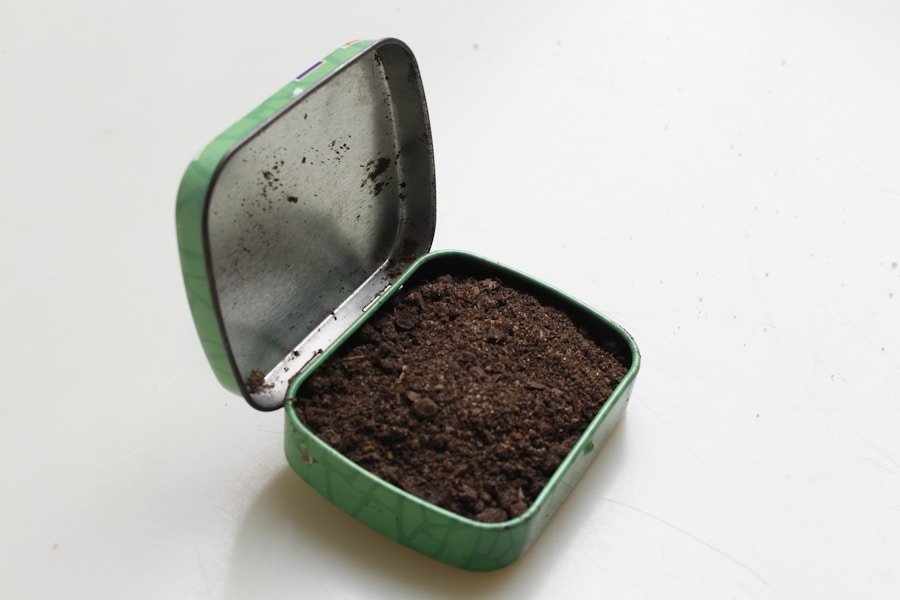
Composting is an excellent way to create your own organic fertiliser using kitchen scraps, yard waste, and other organic materials. Compost is rich in organic matter and nutrients, making it an ideal soil amendment for flower gardens. To start composting, you’ll need a compost bin or pile where you can layer organic materials such as fruit and vegetable scraps, coffee grounds, eggshells, grass clippings, leaves, and other biodegradable waste. As these materials decompose, they will generate heat and break down into nutrient-rich compost that can be used to feed your plants.
The key to successful composting is maintaining the right balance of green (nitrogen-rich) and brown (carbon-rich) materials. Green materials include fresh kitchen scraps and grass clippings, while brown materials include dry leaves, straw, and wood chips. By layering these materials in the compost bin and turning them regularly to aerate the pile, you can create a healthy environment for decomposition to occur. Over time, the organic matter will break down into dark, crumbly compost that is teeming with beneficial microorganisms and nutrients. This homemade compost can be used as a top-dressing or soil amendment in your flower garden, providing a sustainable source of organic fertiliser for your plants.
Common Mistakes to Avoid When Using Organic Fertilisers
While organic fertilisers offer many benefits for flower gardens, there are some common mistakes that gardeners should avoid to ensure successful results. One common mistake is over-fertilising plants, which can lead to nutrient imbalances and damage to the root system. It’s important to follow the recommended dosage and application instructions provided by the manufacturer to prevent over-fertilisation. Another mistake is using the wrong type of organic fertiliser for your plants’ specific needs. Different plants have varying nutrient requirements, so it’s essential to choose a fertiliser that provides the right balance of nutrients for your flowers.
In addition to over-fertilisation and using the wrong type of fertiliser, another common mistake is applying organic fertilisers at the wrong time. For example, applying fertiliser during periods of drought or extreme heat can stress plants and reduce their ability to absorb nutrients. It’s important to time your fertiliser applications based on your plants’ growth stages and environmental conditions to ensure optimal results. Finally, neglecting soil health can also be a mistake when using organic fertilisers. Healthy soil is essential for supporting plant growth and nutrient uptake, so it’s important to focus on improving soil structure and promoting beneficial microbial activity in addition to using organic fertilisers.
Maintaining a Healthy Flower Garden with Organic Fertilisers
Maintaining a healthy flower garden with organic fertilisers involves more than just providing nutrients to your plants. It also requires paying attention to soil health, water management, pest control, and overall garden maintenance. Organic fertilisers play a crucial role in promoting soil fertility and supporting plant growth, but they should be used as part of a comprehensive approach to gardening. In addition to using organic fertilisers, it’s important to focus on building healthy soil by adding organic matter, promoting beneficial microbial activity, and reducing soil compaction.
Water management is another key aspect of maintaining a healthy flower garden with organic fertilisers. Proper watering practices help ensure that your plants can absorb nutrients effectively and thrive in their environment. Over-watering or under-watering can affect nutrient uptake and plant health, so it’s important to monitor soil moisture levels and adjust your watering schedule as needed. In addition to soil health and water management, pest control is also essential for maintaining a healthy flower garden. By using natural pest control methods and promoting biodiversity in your garden, you can reduce the need for chemical interventions while supporting a balanced ecosystem.
The Benefits of Using Organic Fertilisers for Your Flower Garden
Using organic fertilisers offers numerous benefits for flower gardens, including improved soil fertility, sustainable gardening practices, and healthier plants. Organic fertilisers provide essential nutrients to plants in a form that is readily available and easily absorbed. This helps promote strong root development, lush foliage, vibrant blooms, and robust fruiting in flowering plants. In addition to supplying nutrients, organic fertilisers also improve soil structure by adding organic matter and promoting beneficial microbial activity. This helps create a healthy ecosystem in the soil that supports plant growth and overall garden health.
Another benefit of using organic fertilisers is their sustainability and environmental friendliness. Unlike synthetic fertilisers, which can leach into waterways and harm beneficial organisms in the soil, organic fertilisers are derived from natural sources and have minimal impact on the environment. By using organic fertilisers in your flower garden, you can reduce your carbon footprint and support sustainable gardening practices that promote long-term soil health. Overall, the benefits of using organic fertilisers for flower gardens include improved plant growth, enhanced soil fertility, sustainable gardening practices, and environmental stewardship. By incorporating organic fertilisers into your gardening routine, you can create a beautiful and thriving flower garden while supporting a healthy ecosystem in your soil.