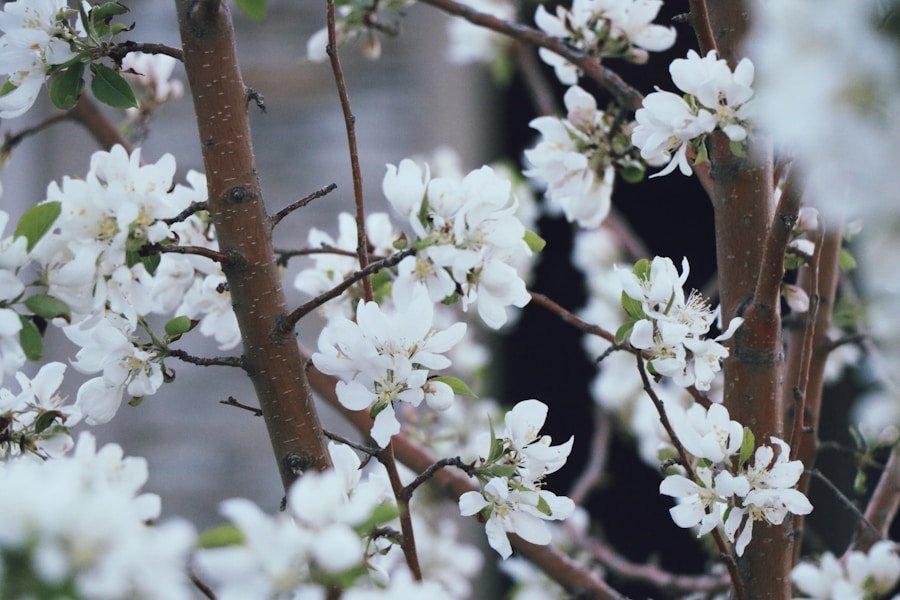

Pruning is an essential part of maintaining the health and beauty of your garden. It involves the removal of dead or overgrown branches, stems, and flowers to encourage new growth and improve the overall appearance of your plants. Seasonal pruning is particularly important as it allows you to address specific needs of different plants at different times of the year. In the spring, for example, pruning can help roses produce more blooms, while in the winter, it can help trees and shrubs maintain their shape and structure. By understanding the importance of seasonal pruning, you can ensure that your garden remains healthy and vibrant throughout the year.
Seasonal pruning is important for several reasons. First, it helps to promote the growth of new, healthy branches and flowers by removing dead or diseased parts of the plant. This not only improves the overall appearance of the plant but also encourages better air circulation and sunlight penetration, which are essential for plant health. Additionally, seasonal pruning can help to control the size and shape of your plants, preventing them from becoming overgrown and unruly. By removing excess growth, you can also reduce the risk of pests and diseases, as well as improve the overall strength and resilience of your plants. Overall, seasonal pruning is a crucial part of garden maintenance that can help to keep your plants looking their best while promoting their long-term health and vitality.
Spring Pruning Tips for Roses
Spring is an important time for pruning roses, as it sets the stage for a season of healthy growth and abundant blooms. When pruning roses in the spring, it’s important to start by removing any dead or diseased branches, as well as any crossing or rubbing stems. This will help to improve air circulation and sunlight penetration, reducing the risk of pests and diseases. Next, you’ll want to prune back any old or weak growth to encourage new, healthy shoots to develop. Finally, you can shape and train your roses by cutting back any long or unruly branches to promote a more compact and attractive form. By following these spring pruning tips for roses, you can help to ensure that your plants produce a bountiful display of beautiful blooms throughout the growing season.
In addition to regular pruning, spring is also a good time to feed and mulch your roses to provide them with the nutrients they need for healthy growth. You can use a balanced fertilizer to promote strong roots and vigorous flowering, as well as a layer of organic mulch to retain moisture and suppress weeds. It’s also important to water your roses regularly, especially during dry spells, to keep them hydrated and healthy. By following these spring pruning tips for roses and providing them with the care they need, you can enjoy a season of stunning blooms and lush foliage in your garden.
Summer Pruning Tips for Hydrangeas
Summer is a time of vigorous growth for hydrangeas, making it an ideal time for pruning to shape and maintain their size. When pruning hydrangeas in the summer, it’s important to start by removing any dead or damaged branches to promote new growth. You can also cut back any long or unruly stems to encourage a more compact and attractive form. Additionally, you can deadhead spent flowers to promote continuous blooming throughout the season. By following these summer pruning tips for hydrangeas, you can help to keep your plants looking their best while encouraging healthy growth and abundant blooms.
In addition to regular pruning, summer is also a good time to provide your hydrangeas with the care they need to thrive. You can water them regularly, especially during hot and dry weather, to keep them hydrated and healthy. It’s also important to feed your hydrangeas with a balanced fertilizer to promote strong roots and vigorous flowering. Finally, you can mulch around the base of your plants to retain moisture and suppress weeds. By following these summer pruning tips for hydrangeas and providing them with the care they need, you can enjoy a season of beautiful blooms and lush foliage in your garden.
Fall Pruning Tips for Perennials
Fall is an important time for pruning perennials, as it allows you to prepare them for the winter months ahead while promoting healthy growth in the spring. When pruning perennials in the fall, it’s important to start by removing any dead or diseased foliage to prevent the spread of pests and diseases. You can also cut back any long or unruly stems to promote a more compact form and prevent damage from winter winds and snow. Additionally, you can divide and transplant overcrowded perennials to promote better air circulation and prevent disease. By following these fall pruning tips for perennials, you can help to ensure that your plants remain healthy and vibrant throughout the winter months.
In addition to regular pruning, fall is also a good time to provide your perennials with the care they need to thrive. You can water them regularly, especially during dry spells, to keep them hydrated and healthy. It’s also important to feed your perennials with a balanced fertilizer to promote strong roots and vigorous growth. Finally, you can mulch around the base of your plants to retain moisture and protect them from freezing temperatures. By following these fall pruning tips for perennials and providing them with the care they need, you can enjoy a season of beautiful blooms and lush foliage in your garden.
Winter Pruning Tips for Trees and Shrubs
Winter is an ideal time for pruning trees and shrubs, as it allows you to shape and maintain their structure while they are dormant. When pruning trees and shrubs in the winter, it’s important to start by removing any dead or diseased branches to promote new growth in the spring. You can also cut back any long or unruly branches to improve their form and prevent damage from winter storms. Additionally, you can thin out crowded branches to improve air circulation and sunlight penetration. By following these winter pruning tips for trees and shrubs, you can help to ensure that your plants remain healthy and vibrant throughout the winter months.
In addition to regular pruning, winter is also a good time to provide your trees and shrubs with the care they need to thrive. You can water them regularly, especially during dry spells, to keep them hydrated and healthy. It’s also important to feed your trees and shrubs with a balanced fertilizer to promote strong roots and vigorous growth. Finally, you can mulch around the base of your plants to retain moisture and protect them from freezing temperatures. By following these winter pruning tips for trees and shrubs and providing them with the care they need, you can enjoy a season of beautiful blooms and lush foliage in your garden.
General Pruning Guidelines for Annual Flowers
Pruning annual flowers is an important part of maintaining their health and beauty throughout the growing season. When pruning annual flowers, it’s important to start by deadheading spent flowers regularly to promote continuous blooming. This not only keeps your plants looking their best but also encourages new growth and prevents self-seeding. Additionally, you can remove any dead or diseased foliage to prevent the spread of pests and diseases. By following these general pruning guidelines for annual flowers, you can help to ensure that your plants remain healthy and vibrant throughout the growing season.
In addition to regular pruning, it’s also important to provide your annual flowers with the care they need to thrive. You can water them regularly, especially during hot and dry weather, to keep them hydrated and healthy. It’s also important to feed your annual flowers with a balanced fertilizer to promote strong roots and vigorous flowering. Finally, you can mulch around the base of your plants to retain moisture and suppress weeds. By following these general pruning guidelines for annual flowers and providing them with the care they need, you can enjoy a season of stunning blooms in your garden.
Tools and Techniques for Successful Seasonal Pruning
To successfully prune your plants throughout the year, it’s important to have the right tools and techniques at your disposal. Some essential tools for seasonal pruning include hand pruners for small branches and stems, loppers for larger branches, hedge shears for shaping hedges and shrubs, and saws for cutting through thick branches. It’s important to keep your tools clean and sharp to ensure clean cuts that promote quick healing. Additionally, it’s important to use proper techniques when pruning different types of plants, such as making angled cuts just above a bud or branch collar for trees and shrubs, or cutting just above a leaf node for roses.
When it comes to techniques for successful seasonal pruning, it’s important to consider the specific needs of each plant at different times of the year. For example, when pruning roses in the spring, it’s important to make clean cuts just above outward-facing buds to encourage new growth. When pruning trees in the winter, on the other hand, it’s important to remove any dead or diseased branches while they are dormant. By using the right tools and techniques for seasonal pruning, you can ensure that your plants remain healthy and vibrant throughout the year.
In conclusion, seasonal pruning is an essential part of maintaining the health and beauty of your garden throughout the year. By understanding the importance of seasonal pruning and following specific tips for different types of plants at different times of the year, you can ensure that your garden remains healthy and vibrant while promoting long-term growth and vitality. With the right tools and techniques at your disposal, you can successfully prune your plants throughout the year while providing them with the care they need to thrive. Whether it’s spring pruning tips for roses or winter pruning tips for trees and shrubs, seasonal pruning is an important part of garden maintenance that can help you enjoy a season of stunning blooms and lush foliage in your garden.