
Butterflies are not only beautiful creatures, but they also play a crucial role in our ecosystem. As pollinators, butterflies help to facilitate the reproduction of many plants, including some of our most important food crops. In addition, they serve as a food source for other animals, such as birds and small mammals. Unfortunately, many butterfly species are facing habitat loss and population declines due to human activities such as urbanization, agriculture, and deforestation. Creating butterfly habitats in our own gardens can help to provide these important insects with the resources they need to thrive. By understanding the importance of butterfly habitats, we can take steps to support these valuable creatures and contribute to the health of our local ecosystems.
In order to create a successful butterfly habitat, it is important to understand the specific needs of these insects. Butterflies require a variety of resources throughout their life cycle, including food, water, shelter, and breeding sites. By providing these resources in our gardens, we can attract and support a diverse range of butterfly species. In addition, creating butterfly habitats can also help to promote biodiversity and contribute to the overall health of our local environment. By understanding the importance of butterfly habitats, we can make informed decisions about how to design and maintain our gardens to support these valuable insects.
Choosing the Right Plants for Your Butterfly Garden
One of the most important factors in creating a successful butterfly habitat is choosing the right plants for your garden. Butterflies rely on nectar-producing flowers for food, so it is essential to include a variety of flowering plants in your garden to provide them with the resources they need. When selecting plants for your butterfly garden, it is important to choose species that are native to your region. Native plants have co-evolved with local butterfly species and are well-adapted to provide the specific resources that butterflies need. In addition, native plants are often more resilient and require less maintenance than non-native species, making them a sustainable choice for your garden.
In addition to nectar-producing flowers, it is also important to include host plants in your butterfly garden. Host plants are the specific plant species that female butterflies lay their eggs on, and that caterpillars feed on as they grow. By including host plants in your garden, you can provide breeding sites and food for butterfly larvae, supporting the entire life cycle of these insects. When choosing host plants for your garden, it is important to research the specific requirements of local butterfly species and select plants that will meet their needs. By choosing the right plants for your butterfly garden, you can create a diverse and abundant source of food and shelter for these valuable insects.
Designing Your Garden for Maximum Butterfly Attraction
Once you have selected the right plants for your butterfly garden, it is important to design your garden in a way that maximizes its attractiveness to butterflies. Butterflies are attracted to sunny, open spaces with plenty of nectar-producing flowers, so it is important to create a garden layout that provides these resources. When designing your garden, consider the placement of your plants to ensure that they receive adequate sunlight and are easily accessible to butterflies. Grouping plants together in clusters can help to create attractive feeding areas for butterflies and make it easier for them to locate the resources they need.
In addition to plant selection and layout, it is also important to consider other elements of your garden design that can attract butterflies. Adding features such as rocks, logs, and shallow puddles of water can provide butterflies with additional resources such as minerals and moisture. Creating a diverse range of microhabitats within your garden can help to attract a wide variety of butterfly species and provide them with the resources they need to thrive. By designing your garden for maximum butterfly attraction, you can create an inviting and supportive environment for these valuable insects.
Creating a Welcoming Environment for Butterflies
In addition to providing the right resources for butterflies, it is important to create a welcoming environment that makes them feel safe and secure in your garden. Butterflies are vulnerable to predation from birds and other animals, so it is important to create sheltered areas where they can rest and seek protection. Planting shrubs and trees can provide butterflies with shelter from wind and predators, as well as roosting sites for resting and basking in the sun. In addition, creating a diverse range of plant heights and structures can provide butterflies with opportunities to find shelter at different levels within your garden.
Another important aspect of creating a welcoming environment for butterflies is minimizing the use of pesticides and herbicides in your garden. These chemicals can be harmful to butterflies and other beneficial insects, so it is important to use natural pest control methods and avoid using harmful chemicals whenever possible. By creating a pesticide-free environment in your garden, you can help to protect butterflies and other wildlife from exposure to toxic substances. Creating a welcoming environment for butterflies involves providing them with the resources they need while also minimizing potential threats to their health and safety.
Maintaining Your Butterfly Garden
Once you have created a butterfly garden, it is important to maintain it properly in order to continue supporting these valuable insects. Regular maintenance tasks such as watering, weeding, and pruning can help to keep your garden healthy and attractive to butterflies. It is important to water your garden regularly, especially during dry periods, to ensure that your plants have an adequate water supply. In addition, removing weeds and dead plant material can help to prevent competition for resources and reduce potential hiding places for pests.
Pruning your plants can also help to maintain a healthy and attractive garden for butterflies. Regularly deadheading flowers can encourage continued blooming and provide a consistent source of nectar for butterflies throughout the growing season. In addition, pruning back overgrown vegetation can help to maintain an open and sunny environment that is attractive to butterflies. By maintaining your butterfly garden properly, you can ensure that it continues to provide the resources that these valuable insects need to thrive.
Encouraging Other Wildlife to Visit Your Garden
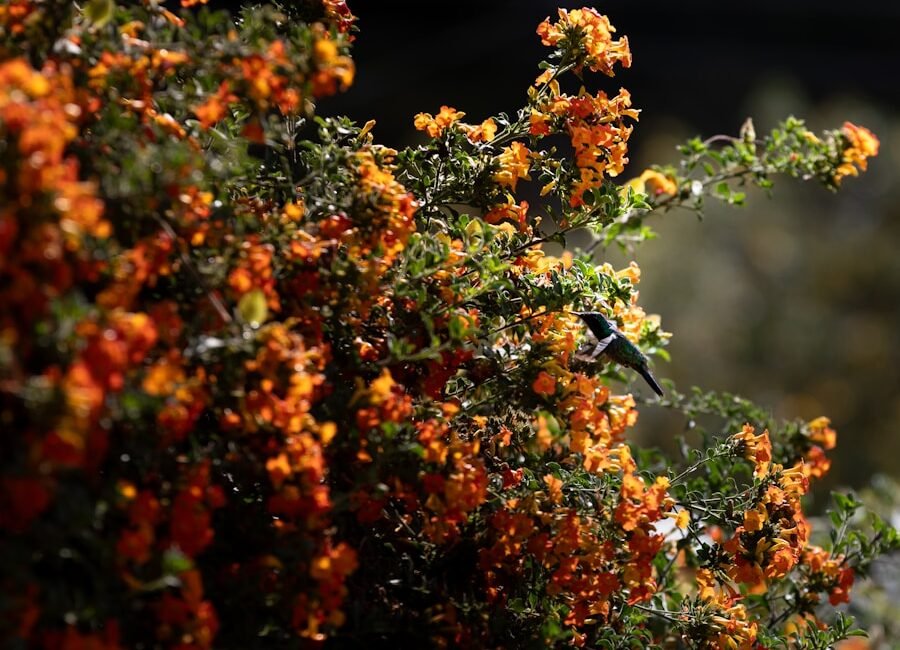
In addition to supporting butterflies, creating a butterfly garden can also provide resources for other wildlife species. By including a diverse range of native plants in your garden, you can attract a variety of pollinators such as bees and hummingbirds. In addition, creating a pesticide-free environment can help to support beneficial insects such as ladybugs and lacewings that can help control pest populations in your garden. By encouraging other wildlife to visit your garden, you can create a diverse and vibrant ecosystem that supports a wide range of beneficial species.
One way to encourage other wildlife to visit your garden is by including features such as bird feeders and bird baths. Providing food and water sources for birds can attract these valuable animals to your garden, where they can help control pest populations and contribute to the overall health of your ecosystem. In addition, creating habitat features such as brush piles and rock piles can provide shelter for small mammals and reptiles that can help control pest populations in your garden. By encouraging other wildlife to visit your garden, you can create a diverse and balanced ecosystem that supports a wide range of beneficial species.
Enjoying the Beauty and Serenity of Your Butterfly Haven
Creating a butterfly garden not only supports valuable wildlife species but also provides us with an opportunity to enjoy the beauty and serenity of nature in our own backyard. Watching butterflies flit from flower to flower can be a peaceful and meditative experience that helps us connect with the natural world around us. In addition, creating a beautiful and vibrant garden can enhance the aesthetic appeal of our outdoor spaces and provide us with a peaceful retreat from the stresses of daily life.
In addition to enjoying the beauty of our butterfly gardens, we can also take steps to learn more about the fascinating world of butterflies and contribute to their conservation. Participating in citizen science projects such as butterfly monitoring programs or habitat restoration efforts can help us contribute valuable data that supports butterfly conservation efforts. By learning more about butterflies and their habitats, we can deepen our appreciation for these valuable insects and take action to support their continued survival.
In conclusion, creating a butterfly garden provides us with an opportunity to support valuable wildlife species while also enjoying the beauty and serenity of nature in our own backyard. By understanding the importance of butterfly habitats and choosing the right plants for our gardens, we can create an attractive and supportive environment for these valuable insects. Designing our gardens for maximum butterfly attraction and creating welcoming environments for butterflies can help us create vibrant ecosystems that support a wide range of beneficial wildlife species. By maintaining our butterfly gardens properly and encouraging other wildlife to visit our gardens, we can create diverse and balanced ecosystems that contribute to the health of our local environments. Ultimately, creating a butterfly garden provides us with an opportunity to connect with nature, support valuable wildlife species, and contribute to the conservation of these important insects.