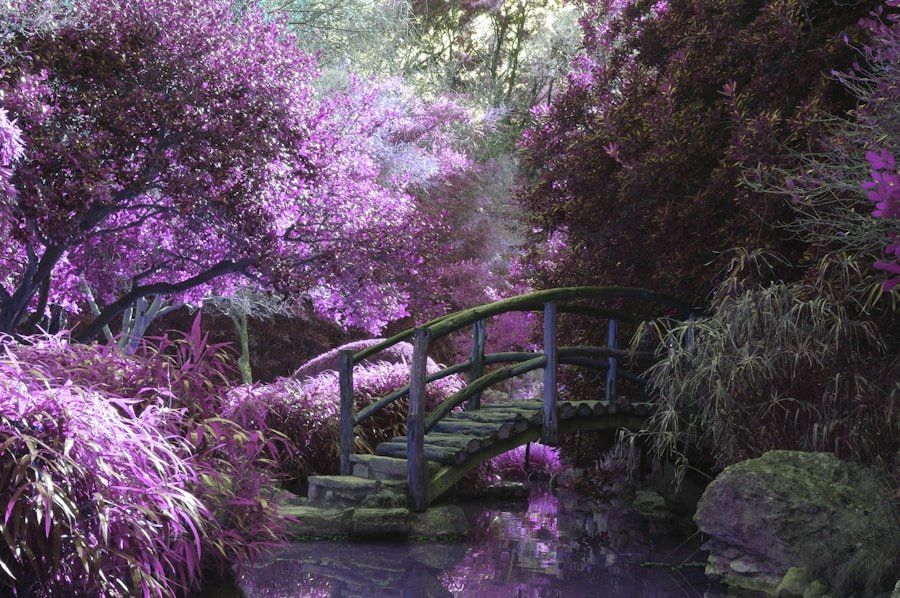

When it comes to designing a garden, one of the most important aspects to consider is the use of color. Seasonal color palettes can transform a garden from a dull and uninspiring space into a vibrant and inviting outdoor oasis. By incorporating the colors of each season into your garden design, you can create a dynamic and ever-changing landscape that will delight the senses year-round.
Seasonal color palettes are based on the natural changes in the environment throughout the year. Spring brings bright and fresh colors, summer is characterized by warm and vibrant hues, fall brings rich and earthy tones, and winter is associated with cool and calming shades. By understanding the characteristics of each season and how they can be reflected in your garden design, you can create a space that is not only visually appealing but also harmonious with the natural world around it.
Spring: Bright and Fresh Colour Schemes
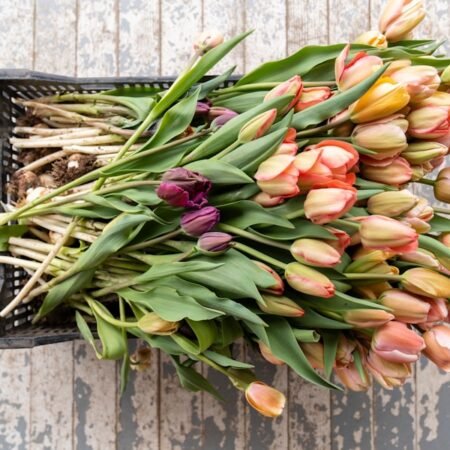
Spring is a time of renewal and growth, and the colors associated with this season reflect that sense of freshness and vitality. Bright and fresh color schemes are perfect for capturing the essence of spring in your garden. Think of soft pastel shades like pale pinks, baby blues, and light yellows, as well as vibrant greens and crisp whites. These colors can be incorporated through the use of flowering plants such as tulips, daffodils, and hyacinths, as well as through the use of colorful foliage and accessories.
Incorporating bright and fresh color schemes into your garden design can create a sense of energy and optimism. These colors can be used to create focal points or to add pops of color throughout the garden, creating a visually stimulating and inviting space. Whether you choose to plant a sea of pastel-colored flowers or incorporate colorful accessories such as cushions, umbrellas, or decorative pots, spring color schemes can bring a sense of joy and vibrancy to your outdoor space.
Summer: Warm and Vibrant Colour Combinations
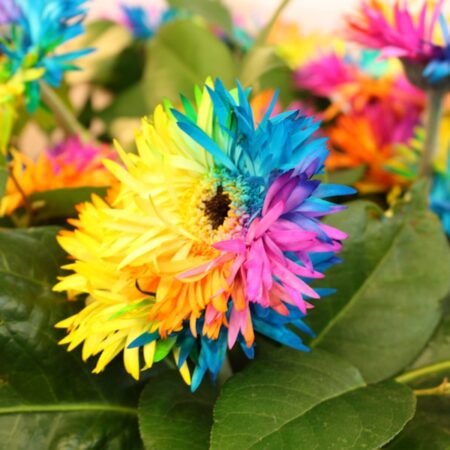
Summer is a time of warmth and abundance, and the colors associated with this season reflect that sense of vitality and energy. Warm and vibrant color combinations are perfect for capturing the essence of summer in your garden. Think of bold and saturated hues like fiery reds, sunny yellows, and deep oranges, as well as rich purples and vibrant blues. These colors can be incorporated through the use of flowering plants such as roses, dahlias, and sunflowers, as well as through the use of colorful foliage and accessories.
Incorporating warm and vibrant color combinations into your garden design can create a sense of excitement and passion. These colors can be used to create a sense of drama or to add warmth and depth to the garden, creating a visually stimulating and inviting space. Whether you choose to plant a riot of bold-colored flowers or incorporate colorful accessories such as outdoor rugs, lanterns, or decorative sculptures, summer color combinations can bring a sense of energy and vibrancy to your outdoor space.
Fall: Rich and Earthy Tones for a Cozy Atmosphere
Fall is a time of transition and reflection, and the colors associated with this season reflect that sense of warmth and comfort. Rich and earthy tones are perfect for capturing the essence of fall in your garden. Think of deep reds, warm oranges, golden yellows, and rich browns, as well as muted greens and soft purples. These colors can be incorporated through the use of flowering plants such as chrysanthemums, asters, and ornamental grasses, as well as through the use of colorful foliage and accessories.
Incorporating rich and earthy tones into your garden design can create a sense of coziness and tranquility. These colors can be used to create a sense of intimacy or to add a touch of elegance to the garden, creating a visually stimulating and inviting space. Whether you choose to plant a tapestry of autumn-colored flowers or incorporate colorful accessories such as throw blankets, lanterns, or decorative pumpkins, fall color schemes can bring a sense of warmth and comfort to your outdoor space.
Winter: Cool and Calming Hues for a Serene Garden
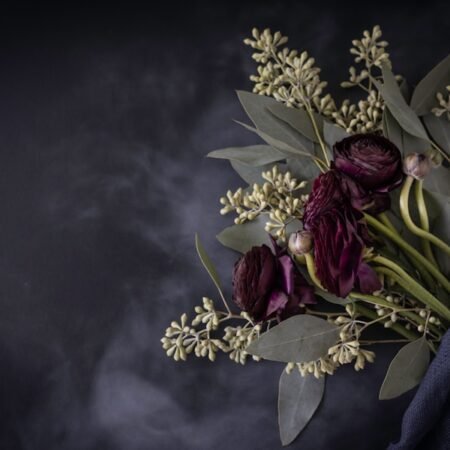
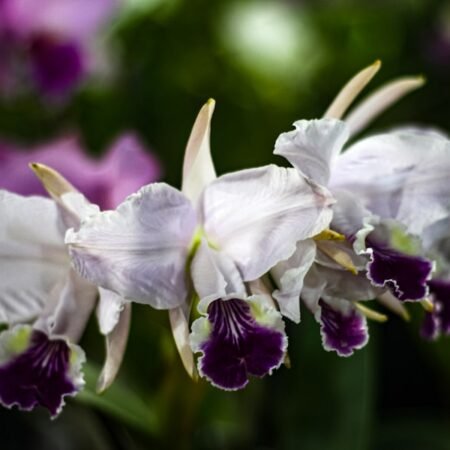
Winter is a time of stillness and reflection, and the colors associated with this season reflect that sense of calmness and serenity. Cool and calming hues are perfect for capturing the essence of winter in your garden. Think of icy blues, soft purples, silvery grays, and crisp whites, as well as deep greens and muted browns. These colors can be incorporated through the use of evergreen plants such as holly, juniper, and pine, as well as through the use of colorful foliage and accessories.
Incorporating cool and calming hues into your garden design can create a sense of peace and tranquility. These colors can be used to create a sense of serenity or to add a touch of sophistication to the garden, creating a visually stimulating and inviting space. Whether you choose to plant a serene winter garden with evergreen shrubs or incorporate colorful accessories such as outdoor lighting, bird feeders, or decorative ornaments, winter color schemes can bring a sense of calmness and tranquility to your outdoor space.
Tips for Incorporating Seasonal Colour Palettes in Your Garden Design
When incorporating seasonal color palettes into your garden design, there are several tips to keep in mind. First, consider the natural environment around your garden and how you can complement it with your color choices. For example, if you live in an area with abundant fall foliage, you may want to incorporate rich earthy tones that will harmonize with the surrounding landscape.
Secondly, think about how you can create visual interest by using contrasting colors or by creating focal points with bold pops of color. By strategically placing plants or accessories with contrasting colors, you can create a dynamic and visually stimulating garden that will capture attention.
Lastly, consider how you can extend the impact of seasonal color palettes throughout the year by choosing plants with varying bloom times or by incorporating evergreen plants that will provide color year-round. By carefully selecting plants that will bloom at different times throughout the year, you can ensure that your garden remains vibrant and inviting no matter the season.
Creating a Dynamic and Inviting Outdoor Space
In conclusion, incorporating seasonal color palettes into your garden design is an effective way to create a dynamic and inviting outdoor space. By understanding the characteristics of each season and how they can be reflected in your garden design, you can create a landscape that is not only visually appealing but also harmonious with the natural world around it.
Whether you choose to embrace the bright and fresh color schemes of spring, the warm and vibrant color combinations of summer, the rich and earthy tones of fall, or the cool and calming hues of winter, there are endless possibilities for creating a garden that reflects the beauty of each season.
By following the tips for incorporating seasonal color palettes in your garden design, you can create a space that is not only visually stunning but also ever-changing and full of life. With careful planning and thoughtful consideration of color choices, you can transform your outdoor space into a vibrant oasis that will delight the senses year-round.