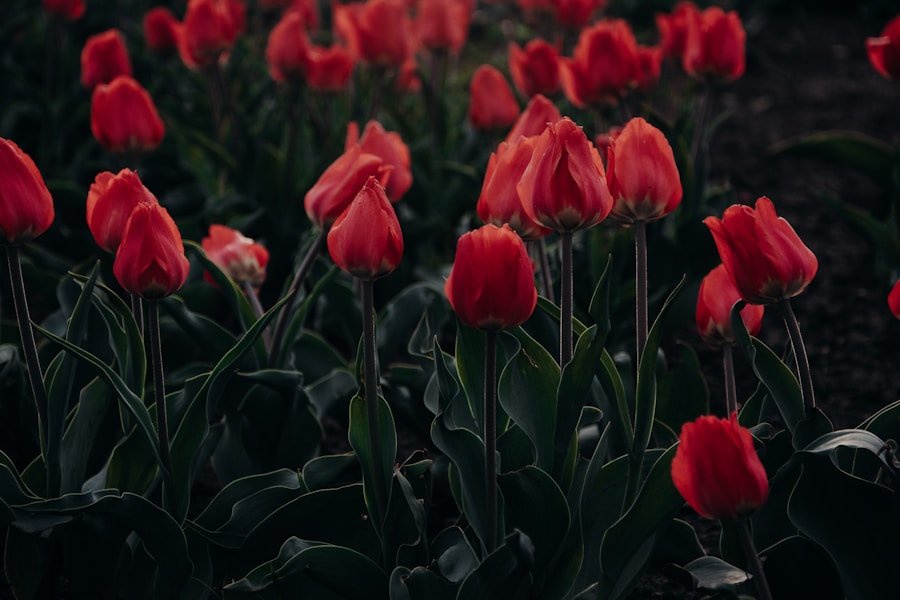

Tulips have a long and rich history as symbols of love and passion. Originating in Persia and Turkey, tulips were first cultivated in the Ottoman Empire in the 16th century. They quickly became popular in Europe, particularly in the Netherlands, where they were highly prized and sought after. In fact, during the Dutch Golden Age, tulips were so valuable that they were considered a form of currency and were even traded on the stock market. This period, known as “Tulip Mania,” saw the prices of tulip bulbs soar to astronomical levels, with some bulbs selling for the equivalent of a small fortune. The tulip’s association with love and passion grew during this time, as they were often given as tokens of affection and used to express romantic sentiments.
Tulips have also been associated with love and passion in various cultures and traditions around the world. In Persian literature, tulips are often used as symbols of love and beauty, while in Turkish culture, they are seen as symbols of paradise on earth. In Victorian England, tulips were used to convey romantic messages, with each color representing a different sentiment. Today, tulips continue to be a popular choice for expressing love and passion, whether as a gift for a loved one or as a decorative element in weddings and other romantic occasions.
The Different Varieties and Colors of Tulips
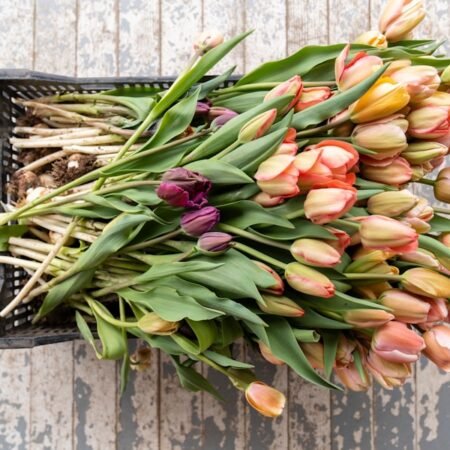
Tulips come in a wide variety of shapes, sizes, and colors, making them a versatile and popular choice for gardens and floral arrangements. There are over 3,000 different varieties of tulips, each with its own unique characteristics and appeal. Some of the most popular types of tulips include single early tulips, which are known for their large, cup-shaped flowers and early blooming season; Darwin hybrid tulips, which are prized for their tall stems and large, vibrant blooms; and parrot tulips, which are distinguished by their fringed petals and striking color combinations.
In terms of color, tulips come in virtually every shade imaginable, from bright reds and pinks to soft pastels and even dramatic black varieties. Each color carries its own symbolic meaning, with red tulips representing true love, pink tulips symbolizing affection and happiness, and yellow tulips signifying cheerful thoughts and sunshine. White tulips are often associated with purity and forgiveness, while purple tulips are seen as a symbol of royalty and luxury. With such a wide range of varieties and colors to choose from, it’s no wonder that tulips are such a popular choice for expressing emotions and creating stunning floral displays.
Tulips in Art and Literature
Tulips have long been a source of inspiration for artists and writers, who have used their beauty and symbolism to create works of art and literature that celebrate love, passion, and the natural world. In the 17th century, during the Dutch Golden Age, tulips were a popular subject for still-life paintings, with artists such as Jan Davidsz de Heem and Rachel Ruysch capturing their vibrant colors and delicate petals in exquisite detail. These paintings often featured elaborate arrangements of tulips, showcasing the variety and beauty of these beloved flowers.
In literature, tulips have been used as symbols of love and passion in poems, novels, and other forms of writing. One of the most famous examples is the poem “Tulips” by Sylvia Plath, in which she uses the image of tulips to explore themes of desire, longing, and the complexities of human emotion. In other works of literature, tulips have been used to convey messages of love, beauty, and the fleeting nature of life. Whether depicted in paintings or described in poetry, tulips continue to inspire artists and writers with their timeless beauty and symbolic significance.
How to Care for and Arrange Tulips for Maximum Impact
Tulips are relatively easy to care for and can be arranged in a variety of ways to create stunning floral displays that make a lasting impression. When caring for tulips, it’s important to start with healthy bulbs that are free from mold or damage. Plant them in well-drained soil in a sunny location, and water them regularly to keep the soil moist but not waterlogged. Tulips also benefit from a layer of mulch to help retain moisture and protect the bulbs from extreme temperatures.
When it comes to arranging tulips for maximum impact, there are countless possibilities to explore. Tulips can be arranged on their own in a simple vase for a classic and elegant look, or they can be combined with other flowers and foliage to create more elaborate arrangements. Tulips also look beautiful when displayed in groups or clusters, whether in a bouquet or as part of a larger floral installation. To prolong the life of cut tulips, it’s important to trim the stems at an angle and change the water regularly to keep it clean and fresh. With proper care and arrangement, tulips can be enjoyed for days or even weeks, bringing joy and beauty to any space.
Tulips as Gifts for Special Occasions
Tulips are a popular choice for gifts on special occasions such as birthdays, anniversaries, and holidays. Their vibrant colors and elegant appearance make them a thoughtful and meaningful gift for expressing love, gratitude, or celebration. Whether given as a single stem or as part of a larger bouquet, tulips are sure to brighten someone’s day and convey heartfelt sentiments.
One of the most popular occasions for giving tulips is Valentine’s Day, when they are often chosen as an alternative to traditional roses. Red tulips in particular are a symbol of true love and passion, making them an ideal choice for expressing romantic feelings on this special day. Tulips are also a popular choice for Mother’s Day, when they are given as a token of appreciation and love for mothers and mother figures. Their cheerful colors and graceful appearance make them a fitting tribute to the important women in our lives.
The Symbolism of Tulips in Different Cultures
Tulips hold different symbolic meanings in various cultures around the world. In Persian culture, tulips are often associated with love and beauty, symbolizing perfection and paradise on earth. They are also seen as a symbol of martyrdom in Iran, where they are used to commemorate those who have sacrificed their lives for their country. In Turkish culture, tulips are seen as symbols of prosperity and abundance, with their elegant shape representing the perfect balance between heaven and earth.
In Western cultures, tulips have long been associated with love and passion, with each color carrying its own symbolic meaning. Red tulips symbolize true love, while pink tulips represent affection and happiness. Yellow tulips are associated with cheerful thoughts and sunshine, while white tulips signify purity and forgiveness. Purple tulips are seen as a symbol of royalty and luxury. With such diverse symbolism across different cultures, it’s clear that tulips hold a universal appeal as symbols of love, beauty, and the natural world.
The Role of Tulips in Romantic Gestures and Traditions
Tulips have played a significant role in romantic gestures and traditions throughout history. In the Victorian era, giving someone a bouquet of tulips was a way to convey specific messages based on the color of the flowers. This tradition continues today, with different colors of tulips being chosen to express different sentiments such as love, gratitude, or admiration.
Tulips are also commonly used in weddings as part of the floral decor or bridal bouquet. Their elegant appearance and wide range of colors make them a versatile choice for creating beautiful arrangements that complement any wedding theme or color scheme. In some cultures, tulips are also used in wedding ceremonies as a symbol of love and commitment between the couple.
In addition to weddings, tulips are often given as gifts on anniversaries or other romantic occasions to express love and affection. Their timeless beauty and symbolic significance make them a meaningful choice for celebrating milestones in relationships or simply showing appreciation for a loved one.
In conclusion, tulips have a long history as symbols of love and passion, with their vibrant colors and elegant appearance making them a popular choice for expressing emotions and creating stunning floral displays. Whether given as gifts for special occasions or used in romantic gestures and traditions, tulips continue to hold universal appeal as symbols of love, beauty, and the natural world. With their diverse varieties and rich symbolism across different cultures, it’s no wonder that tulips remain a beloved flower that captures the hearts of people around the world.