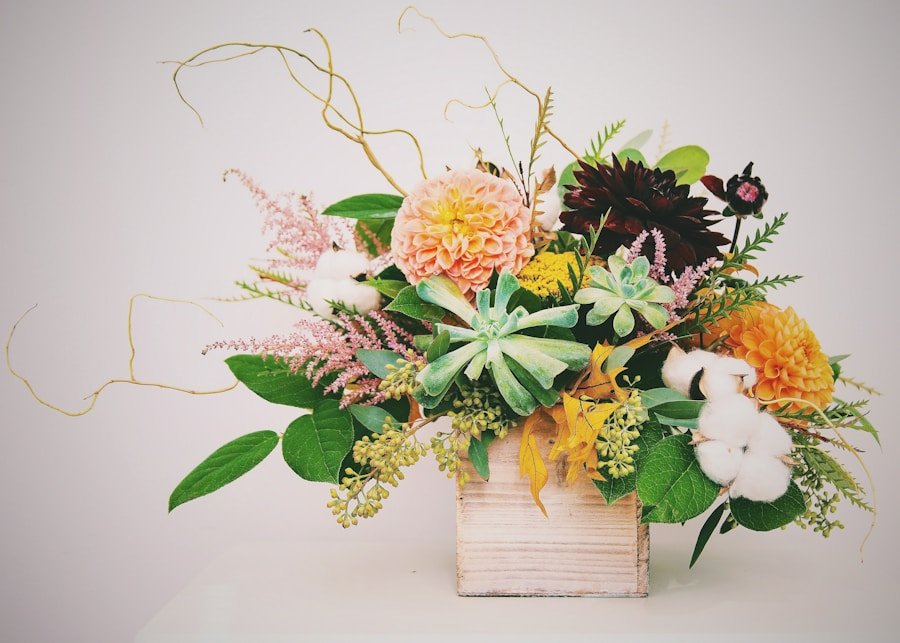

Flowers have been used for centuries to convey messages and emotions. The language of flowers, also known as floriography, is a way of communicating through the use of different blooms and their symbolic meanings. Each flower has its own unique significance, and understanding this language can add depth and thoughtfulness to any floral gift. For example, the rose is often associated with love and passion, while the daisy symbolizes innocence and purity. By delving into the meaning behind flowers, one can create a bouquet that speaks volumes without saying a word.
In addition to their symbolic meanings, flowers also have the power to evoke specific emotions and memories. The sight and scent of certain blooms can transport us to different times and places, making them a powerful tool for connecting with others on an emotional level. Whether it’s the nostalgia of a childhood garden or the joy of a springtime meadow, flowers have the ability to tap into our deepest feelings and create a sense of connection and understanding. By exploring the language of flowers, one can tap into this emotional resonance and create a truly meaningful gift that will be remembered for years to come.
Choosing the Right Blooms: Understanding the Symbolism of Different Flowers
When it comes to choosing the right blooms for a floral arrangement, it’s important to consider the symbolism of each flower. Different flowers carry different meanings, and by understanding these symbolic associations, one can create a bouquet that conveys a specific message or emotion. For example, the lily is often associated with purity and renewal, making it an ideal choice for a wedding or baptism. On the other hand, the sunflower symbolizes adoration and loyalty, making it a perfect choice for expressing love and devotion. By taking the time to understand the symbolism of different flowers, one can create a bouquet that is not only visually stunning but also rich in meaning.
In addition to their symbolic meanings, different flowers also have their own unique characteristics and qualities. Some blooms are known for their vibrant colors, while others are prized for their delicate fragrance. By taking these factors into account, one can create a bouquet that is not only visually appealing but also appeals to the senses. For example, a bouquet of vibrant red roses can convey passion and romance, while a delicate arrangement of lilies can evoke a sense of tranquility and peace. By understanding the symbolism and qualities of different flowers, one can create a personalized bouquet that is both beautiful and meaningful.
Creating a Personalized Bouquet: Combining Blooms to Convey a Specific Message
When creating a personalized bouquet, it’s important to consider the specific message or emotion that one wants to convey. By combining different blooms with complementary meanings and qualities, one can create a bouquet that speaks directly to the recipient. For example, combining roses with daisies can convey a message of love and innocence, while pairing lilies with orchids can evoke a sense of elegance and refinement. By carefully selecting and arranging different blooms, one can create a personalized bouquet that is as unique as the person receiving it.
In addition to combining blooms with complementary meanings, it’s also important to consider the visual impact of the bouquet. By choosing blooms with varying colors, shapes, and sizes, one can create a visually stunning arrangement that captures the eye and captivates the imagination. For example, pairing bold, vibrant blooms with delicate, pastel flowers can create a sense of balance and harmony, while combining different textures and shapes can add depth and dimension to the bouquet. By taking these factors into account, one can create a personalized bouquet that is not only rich in meaning but also visually captivating.
Consideration for Occasions: Matching Flowers to the Occasion
When choosing flowers for a specific occasion, it’s important to consider the symbolic meanings and qualities of different blooms. Different occasions call for different emotions and messages, and by selecting flowers that are appropriate for the occasion, one can create a thoughtful and meaningful gift. For example, for a wedding or anniversary, roses are often the flower of choice due to their association with love and romance. On the other hand, for a sympathy or condolence gift, lilies are often chosen for their association with purity and renewal. By matching flowers to the occasion, one can create a bouquet that is not only visually stunning but also deeply meaningful.
In addition to considering the symbolic meanings of different flowers, it’s also important to take into account the cultural significance of certain blooms. Different cultures have their own traditions and customs when it comes to flower symbolism, and by being mindful of these cultural nuances, one can create a bouquet that is respectful and appropriate. For example, in some cultures, certain flowers are associated with specific rituals or ceremonies, and by incorporating these cultural traditions into the floral arrangement, one can create a gift that is both meaningful and respectful. By matching flowers to the occasion and being mindful of cultural significance, one can create a thoughtful and appropriate floral gift.
The Art of Flower Arrangement: Tips for Creating a Beautiful and Thoughtful Bouquet
Creating a beautiful and thoughtful flower arrangement is an art form that requires careful consideration and attention to detail. When arranging flowers, it’s important to consider factors such as color, shape, size, and texture in order to create a visually stunning bouquet. By choosing blooms with complementary colors and textures, one can create a sense of balance and harmony in the arrangement. For example, pairing bold, vibrant blooms with delicate, pastel flowers can create a visually captivating contrast that captures the eye and evokes emotion.
In addition to considering color and texture, it’s also important to pay attention to the overall shape and structure of the arrangement. By arranging flowers in a way that creates depth and dimension, one can create a sense of movement and flow that adds visual interest to the bouquet. For example, using flowers with varying heights and shapes can create a dynamic arrangement that draws the eye in and creates a sense of drama. By taking these factors into account, one can create a beautiful and thoughtful flower arrangement that is not only visually stunning but also rich in meaning.
Adding Personal Touches: Incorporating Other Elements to Enhance the Meaning of the Gift
Incorporating other elements into a floral arrangement can enhance the meaning and impact of the gift. By adding personal touches such as ribbons, greenery, or other decorative elements, one can create a bouquet that is truly unique and reflective of the recipient’s personality or interests. For example, adding ribbons in the recipient’s favorite color can add a personal touch to the arrangement, while incorporating fragrant herbs or foliage can add depth and complexity to the bouquet. By adding these personal touches, one can create a floral gift that is not only visually stunning but also deeply meaningful.
In addition to adding personal touches, it’s also important to consider the presentation of the bouquet. By choosing an appropriate vase or container and arranging the flowers in an aesthetically pleasing manner, one can create a gift that is both beautiful and thoughtful. For example, choosing a vase that complements the colors and shapes of the flowers can enhance the overall visual impact of the arrangement, while arranging the flowers in a way that creates movement and flow can add drama and interest. By paying attention to these details, one can create a personalized bouquet that is as unique as the person receiving it.
The Power of Giving: Understanding the Impact of Thoughtful Flower Gifts
The act of giving flowers is a powerful gesture that has the ability to convey love, appreciation, sympathy, or congratulations without saying a word. Thoughtful flower gifts have the power to brighten someone’s day, lift their spirits, or provide comfort during difficult times. Whether it’s a single stem or an elaborate bouquet, flowers have the ability to communicate emotions in a way that is both universal and deeply personal. By understanding the impact of thoughtful flower gifts, one can harness this power to create meaningful connections with others.
In addition to their emotional impact, thoughtful flower gifts also have the ability to create lasting memories. The sight and scent of certain blooms have the power to evoke specific emotions and memories, making them a powerful tool for creating meaningful connections with others. Whether it’s a birthday bouquet or a sympathy arrangement, thoughtful flower gifts have the ability to leave a lasting impression on the recipient. By understanding this impact, one can use thoughtful flower gifts as a way to express love, gratitude, or support in a way that is both meaningful and memorable.
In conclusion, flowers have been used for centuries as a way of communicating emotions and messages without saying a word. By exploring the language of flowers and understanding their symbolic meanings and qualities, one can create personalized bouquets that are rich in meaning and thoughtfulness. By matching flowers to specific occasions and incorporating personal touches into floral arrangements, one can create gifts that are not only visually stunning but also deeply meaningful. The act of giving thoughtful flower gifts has the power to brighten someone’s day, lift their spirits, or provide comfort during difficult times. By understanding this impact, one can use thoughtful flower gifts as a way to express love, gratitude, or support in a way that is both meaningful and memorable.