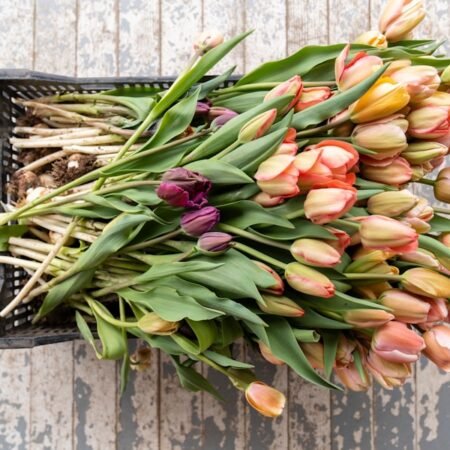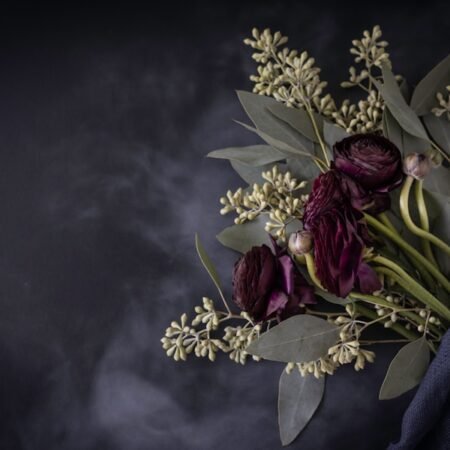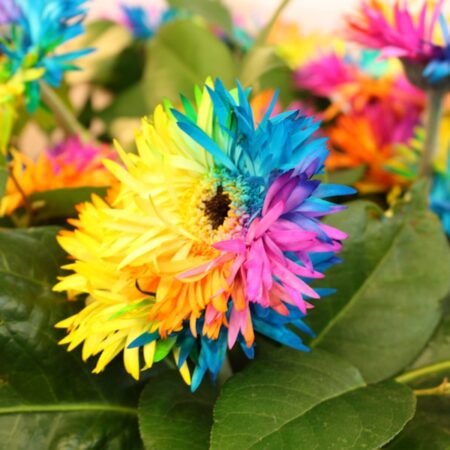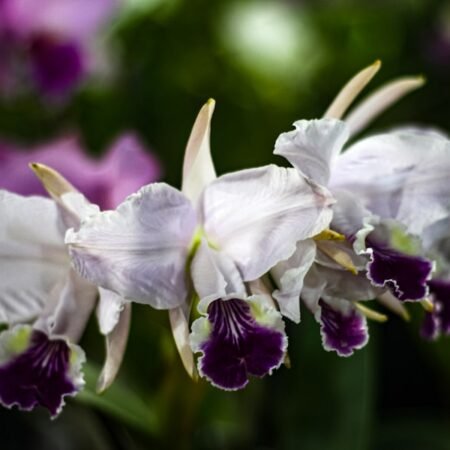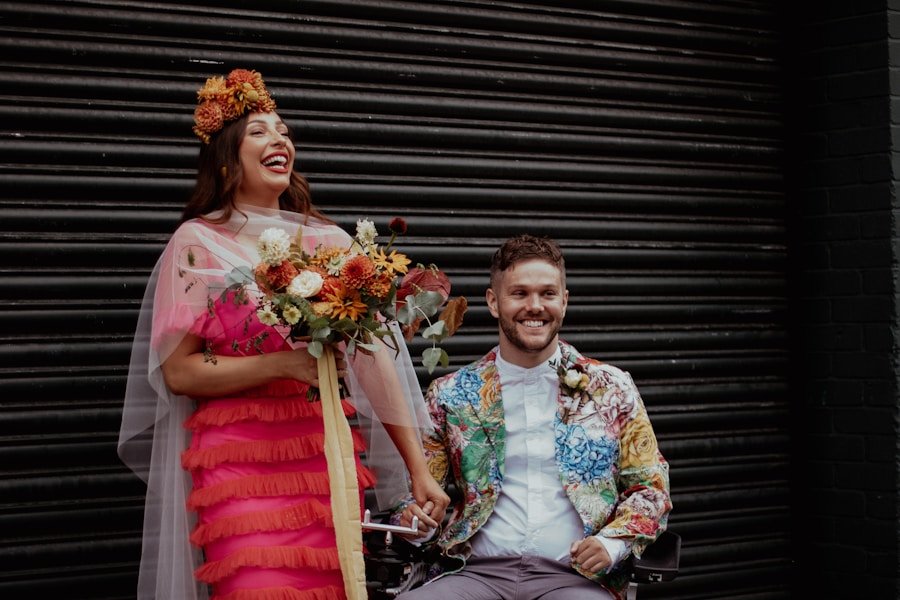

Color plays a significant role in the world of flower gifts, as it has the power to evoke emotions and convey messages without the need for words. The psychology of color in flower gifts is a fascinating subject that explores the impact of different hues on human emotions and behavior. Each color has its own unique psychological associations, and understanding these can help in choosing the perfect flower gift for any occasion.
When it comes to flower gifts, red is often associated with love and passion, making it a popular choice for romantic gestures such as Valentine’s Day or anniversaries. Yellow, on the other hand, is often linked to happiness and friendship, making it a great choice for celebrating achievements or expressing gratitude. Meanwhile, blue is often associated with tranquility and calmness, making it a suitable choice for offering condolences or providing comfort. These are just a few examples of how the psychology of color can influence the meaning and impact of flower gifts.
In addition to the psychological associations of individual colors, the combination of colors can also play a significant role in the message conveyed by a flower gift. By understanding the psychology of color, one can create meaningful and impactful flower gifts that resonate with the recipient on a deeper level.
Choosing the Right Color for the Occasion
When choosing the right color for a flower gift, it’s important to consider the occasion and the message you want to convey. Different colors have different meanings and associations, so selecting the appropriate hue can make a significant difference in the impact of the gift.
For romantic occasions such as Valentine’s Day or anniversaries, red flowers are a classic choice as they symbolize love and passion. On the other hand, for celebrations such as graduations or promotions, yellow flowers can convey happiness and pride. For somber occasions such as funerals or times of grief, white flowers are often chosen to symbolize purity and peace.
It’s also important to consider the recipient’s personal preferences and cultural background when choosing the right color for a flower gift. Some individuals may have strong associations with certain colors based on their cultural upbringing or personal experiences, so taking these factors into account can help in selecting a color that resonates with the recipient on a deeper level.
Understanding Cultural Symbolism of Colors
In addition to the psychological associations of colors, it’s important to understand the cultural symbolism of colors when choosing flower gifts. Different cultures have their own unique interpretations of colors, and these can influence the meaning and impact of a flower gift.
For example, in Western cultures, white is often associated with purity and innocence, making it a popular choice for weddings and other celebrations. In Asian cultures, however, white is often associated with mourning and is used for funerals and times of grief. Similarly, while red is often associated with love and passion in Western cultures, it is also considered a lucky color in many Asian cultures and is often used for festive occasions such as weddings and New Year celebrations.
By understanding the cultural symbolism of colors, one can ensure that their flower gift is respectful and appropriate for the recipient’s cultural background. This can help in creating a more meaningful and impactful gift that resonates with the recipient on a deeper level.
How to Create Meaningful Color Combinations
Creating meaningful color combinations in flower gifts involves understanding how different hues interact with each other and how they can convey a specific message or emotion when combined. By carefully selecting and arranging colors, one can create a visually stunning and emotionally impactful flower gift.
One way to create meaningful color combinations is to consider the color wheel and how different hues relate to each other. Complementary colors, which are opposite each other on the color wheel (such as red and green or blue and orange), can create a vibrant and visually striking contrast in a flower arrangement. Analogous colors, which are next to each other on the color wheel (such as red, orange, and yellow), can create a harmonious and soothing effect.
Another approach to creating meaningful color combinations is to consider the psychological associations of different colors and how they can complement each other to convey a specific message or emotion. For example, combining red and white flowers can symbolize love and purity, while combining yellow and orange flowers can convey warmth and happiness.
By understanding how different colors interact with each other and convey specific meanings, one can create flower gifts that are not only visually stunning but also emotionally impactful.
Personalizing Flower Gifts with Color
Personalizing flower gifts with color involves taking into account the recipient’s personal preferences, tastes, and experiences when selecting the right hues for the arrangement. By choosing colors that resonate with the recipient on a personal level, one can create a more meaningful and thoughtful gift.
One way to personalize flower gifts with color is to consider the recipient’s favorite hues or colors that hold special significance to them. For example, if the recipient has a fondness for purple flowers or has positive associations with the color blue, incorporating these hues into the arrangement can make the gift more personal and meaningful.
Another approach to personalizing flower gifts with color is to consider the recipient’s personality and style when selecting the right hues. For someone who is vibrant and outgoing, bold and bright colors may be more suitable, while someone who is more reserved may appreciate softer and more muted tones.
By personalizing flower gifts with color, one can create a gift that not only looks beautiful but also resonates with the recipient on a personal level, making it more meaningful and memorable.
Using Color to Convey Emotions
Color has the power to convey emotions without the need for words, making it an important tool in creating emotionally impactful flower gifts. By understanding how different hues are associated with specific emotions, one can use color to convey a particular sentiment or feeling through a flower arrangement.
For example, warm colors such as red, orange, and yellow are often associated with energy, passion, and happiness, making them suitable choices for expressing joy and excitement. Cool colors such as blue, green, and purple are often associated with calmness, tranquility, and serenity, making them suitable choices for conveying feelings of peace and relaxation.
In addition to individual colors conveying specific emotions, the combination of colors can also be used to evoke complex feelings and sentiments. For example, combining warm and cool colors in a flower arrangement can create a sense of balance and harmony, while using monochromatic hues can create a sense of unity and cohesion.
By using color to convey emotions in flower gifts, one can create arrangements that not only look beautiful but also resonate with the recipient on an emotional level, making them more impactful and memorable.
The Impact of Color on Flower Gift Recipients
The impact of color on flower gift recipients is significant, as different hues have the power to evoke specific emotions and convey meaningful messages without the need for words. When recipients receive flower gifts that are thoughtfully chosen in terms of color, they are more likely to feel understood, appreciated, and valued.
Receiving flowers in their favorite hues or colors that hold special significance to them can make recipients feel deeply understood and appreciated by the sender. This personalized approach to selecting colors can create a strong emotional connection between the sender and recipient, making the gift more memorable and impactful.
In addition to personalization, the impact of color on flower gift recipients also extends to how different hues can evoke specific emotions and sentiments. For example, receiving vibrant and bold colored flowers can evoke feelings of joy and excitement, while receiving soft and muted colored flowers can evoke feelings of calmness and relaxation.
Overall, understanding the impact of color on flower gift recipients is crucial in creating emotionally impactful gifts that resonate with them on a deeper level. By carefully selecting colors that are meaningful and appropriate for the occasion and recipient, one can create flower gifts that leave a lasting impression and bring joy to those who receive them.

Other Articles

The Art of Gifting: How Colour Influences the Perfect Flower Bouquet
From Garden to Gift: Crafting Beautiful Miniature Flower Presents