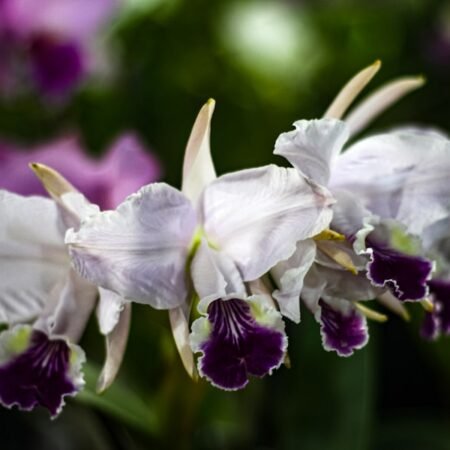

The dahlia is a stunning and diverse flower that belongs to the Asteraceae family, which also includes sunflowers, daisies, and chrysanthemums. Native to Mexico and Central America, the dahlia was named after the Swedish botanist Anders Dahl and has become a popular garden plant and cut flower around the world. With its wide range of colors, shapes, and sizes, the dahlia has captured the hearts of gardeners, florists, and artists alike. From delicate, single-petaled blooms to extravagant, dinner-plate-sized flowers, the dahlia offers something for everyone to admire and enjoy.
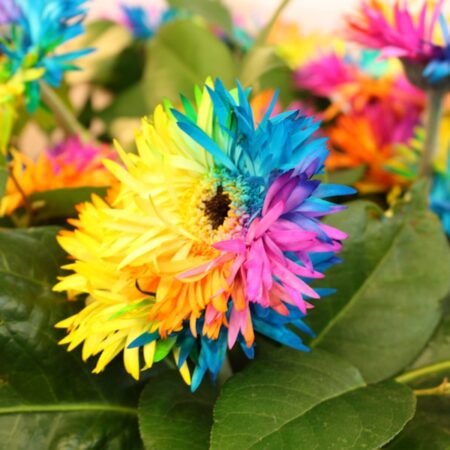
The dahlia is a perennial plant that blooms from midsummer to the first frost, making it a beloved addition to gardens and floral arrangements. With over 42 species and thousands of cultivars, the dahlia comes in a variety of forms, including cactus, waterlily, anemone, and ball-shaped blooms. Its versatility and beauty have made it a favorite among flower enthusiasts and have earned it a special place in history, culture, and symbolism.
Historical and Cultural Significance of the Dahlia
The dahlia has a rich history that dates back to ancient civilizations in Mexico and Central America. The Aztecs were known to cultivate and use the dahlia for food, medicine, and decorative purposes. They believed that the dahlia had supernatural powers and used it in religious ceremonies and rituals. When Spanish conquistadors arrived in the 16th century, they were introduced to the dahlia and brought it back to Europe, where it quickly gained popularity among botanists and horticulturists.
In the 19th century, the dahlia became a symbol of luxury and elegance in Victorian England, where it was highly prized for its beauty and rarity. It was during this time that the dahlia’s popularity as a garden plant and cut flower soared, leading to the development of new varieties and hybrids. Today, the dahlia continues to be celebrated for its historical significance and cultural impact, with many countries around the world holding annual dahlia festivals and events to honor this beloved flower.
Dahlia Symbolism in Different Cultures and Traditions
The dahlia holds different meanings and symbolism in various cultures and traditions. In Mexico, the dahlia is considered the national flower and is often associated with celebrations and festivities. It is also seen as a symbol of inner strength and standing strong in the face of adversity. In Victorian England, the dahlia was associated with elegance, dignity, and grace, making it a popular choice for formal gardens and floral arrangements.
In Chinese culture, the dahlia is often used to symbolize good fortune, prosperity, and gratitude. It is also seen as a representation of inner strength and standing strong in the face of adversity. In Japan, the dahlia is associated with change and transformation, as well as inner strength and resilience. In modern times, the dahlia has become a symbol of diversity and inclusivity, representing the beauty of different cultures coming together to create something unique and extraordinary.
The Dahlia in Art, Literature, and Mythology
The dahlia has been a source of inspiration for artists, writers, and storytellers throughout history. In art, the dahlia has been depicted in paintings, sculptures, and other forms of visual art as a symbol of beauty, elegance, and grace. In literature, the dahlia has been used as a metaphor for love, passion, and desire in poems, novels, and plays. Its vibrant colors and intricate petals have made it a favorite subject for artists and writers looking to capture its timeless beauty.
In mythology, the dahlia has been associated with various gods and goddesses in different cultures. In Greek mythology, the dahlia was believed to be created by the goddess Artemis as a symbol of purity and innocence. In Aztec mythology, the dahlia was associated with the sun god Huitzilopochtli and was used in religious ceremonies to honor him. These mythological connections have added to the allure and mystique of the dahlia, making it a beloved symbol in art, literature, and storytelling.
The Meaning of Different Dahlia Colors and Varieties
The dahlia comes in a wide range of colors and varieties, each with its own unique meaning and symbolism. Red dahlias are often associated with passion, desire, and strength, making them a popular choice for romantic occasions such as weddings and anniversaries. Pink dahlias symbolize grace, elegance, and femininity, making them a favorite among gardeners and florists alike. Yellow dahlias represent joy, happiness, and positivity, making them a cheerful addition to any garden or floral arrangement.
White dahlias are often associated with purity, innocence, and new beginnings, making them a popular choice for weddings and other special events. Purple dahlias symbolize royalty, luxury, and sophistication, making them a regal addition to any garden or floral display. Orange dahlias represent warmth, energy, and enthusiasm, making them a vibrant choice for summer gardens and festive occasions. With so many colors and varieties to choose from, the dahlia offers something for everyone to enjoy and appreciate.
Modern Interpretations and Uses of the Dahlia Symbol
In modern times, the dahlia continues to be celebrated for its beauty, diversity, and symbolism. It is often used in floral arrangements for weddings, parties, and other special events due to its vibrant colors and elegant appearance. The dahlia is also used in art installations, fashion designs, and home decor as a symbol of beauty, grace, and individuality. Its versatility as a garden plant has made it a popular choice for landscapers looking to add color and texture to outdoor spaces.
The dahlia has also become a symbol of hope and resilience in times of adversity. Its ability to bloom in a wide range of conditions has made it a source of inspiration for those facing challenges or hardships. The dahlia’s symbolism as a flower that stands strong in the face of adversity has resonated with many people around the world, making it a beloved symbol of strength and perseverance.
Embracing the Symbolism of the Dahlia
In conclusion, the dahlia is a flower that holds deep historical significance, cultural symbolism, and modern interpretations that continue to captivate people around the world. Its diverse colors, shapes, and varieties make it a beloved choice for gardeners, florists, artists, writers, and storytellers looking to capture its timeless beauty. Whether used in floral arrangements for special occasions or celebrated in art installations for its symbolism of strength and resilience, the dahlia continues to inspire people to embrace its beauty and meaning.
As we continue to appreciate the dahlia for its historical significance and cultural symbolism, we are reminded of its ability to bring joy, hope, and inspiration to our lives. Whether through its vibrant colors or intricate petals, the dahlia serves as a reminder of the beauty that can be found in diversity and individuality. By embracing the symbolism of the dahlia, we can find strength in its resilience and beauty in its diversity as we navigate through life’s challenges and celebrations alike.