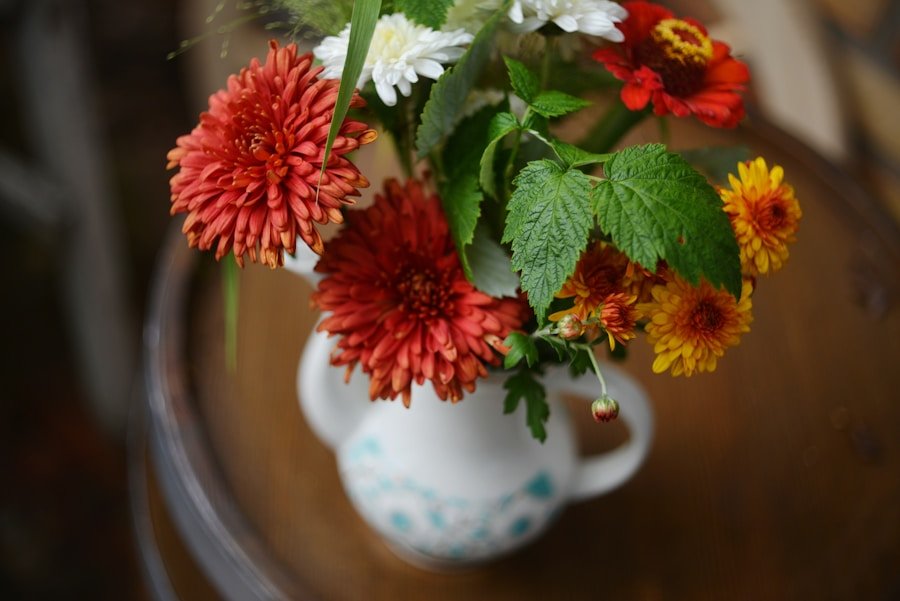

Flowers have been used for centuries to convey messages and emotions, and the practice of using seasonal symbolism in mixed bouquets is a tradition that has been passed down through generations. Each season brings with it a unique set of flowers that hold special meanings and symbolism, making them perfect for creating meaningful and personalized arrangements. From the vibrant blooms of spring to the rich and warm colors of autumn, each season offers a diverse array of flowers that can be used to convey specific sentiments and emotions. By incorporating seasonal symbolism into mixed bouquets, florists and individuals alike can create arrangements that not only look beautiful but also carry a deeper meaning.
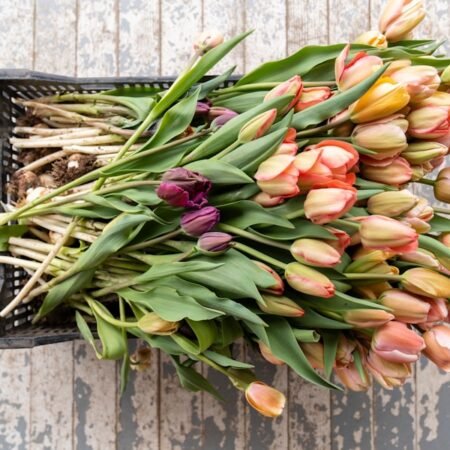
The significance of seasonal symbolism in mixed bouquets lies in the ability to capture the essence of a particular season and the emotions associated with it. For example, spring is often associated with new beginnings, growth, and renewal, making it the perfect time to incorporate flowers such as daffodils, tulips, and cherry blossoms into arrangements. On the other hand, autumn is a time of transition and reflection, and flowers like chrysanthemums, sunflowers, and dahlias can be used to capture the warmth and richness of the season. By understanding the symbolism behind different flowers and incorporating them into mixed bouquets, individuals can create arrangements that not only reflect the beauty of nature but also convey specific emotions and sentiments.
Understanding the Language of Flowers
The language of flowers, also known as floriography, is a form of communication that dates back to ancient times. Each flower carries its own unique meaning and symbolism, allowing individuals to convey specific messages and emotions through the arrangement of blooms. Understanding the language of flowers is essential for creating meaningful mixed bouquets that accurately convey the intended sentiment or message. For example, roses are often associated with love and romance, while lilies symbolize purity and innocence. By incorporating these flowers into mixed bouquets, individuals can create arrangements that speak volumes without saying a word.
In addition to individual flower meanings, the way in which flowers are arranged can also convey different messages. For example, a bouquet with flowers facing upwards may symbolize optimism and hope, while a bouquet with flowers facing downwards may convey sadness or mourning. The color of flowers also plays a significant role in their symbolism, with red often representing passion and love, while yellow symbolizes friendship and joy. By understanding the language of flowers and how different elements such as arrangement and color can impact their meaning, individuals can create mixed bouquets that are not only visually stunning but also carry a deeper significance.
How to Incorporate Seasonal Symbolism into Mixed Bouquets
Incorporating seasonal symbolism into mixed bouquets is a creative and meaningful way to celebrate the beauty of nature and convey specific emotions or sentiments. There are several ways to incorporate seasonal symbolism into mixed bouquets, from selecting flowers that are in season to arranging them in a way that captures the essence of a particular season. One way to incorporate seasonal symbolism is by selecting flowers that are traditionally associated with a specific season. For example, daffodils and tulips are often associated with spring, while sunflowers and dahlias are popular choices for autumn bouquets. By selecting flowers that are in season, individuals can create arrangements that not only capture the beauty of a particular season but also carry its unique symbolism.
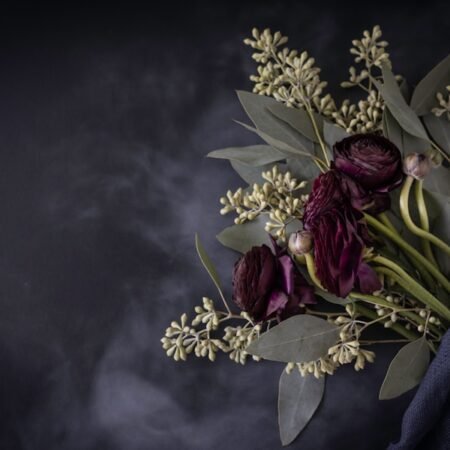
Another way to incorporate seasonal symbolism into mixed bouquets is by considering the colors and textures of different flowers. For example, spring is often associated with pastel colors and delicate blooms, while autumn is characterized by rich and warm hues. By selecting flowers that reflect the colors and textures of a particular season, individuals can create arrangements that capture the essence of that season and convey specific emotions or sentiments. Additionally, incorporating elements such as foliage, berries, and other natural accents can further enhance the seasonal symbolism of mixed bouquets. By carefully selecting flowers and natural elements that are in season and arranging them in a way that captures the essence of a particular season, individuals can create mixed bouquets that are not only visually stunning but also carry a deeper meaning.
Exploring the Meaning Behind Different Flowers
Each flower carries its own unique meaning and symbolism, making it essential to explore the significance behind different blooms when creating mixed bouquets. By understanding the meaning behind different flowers, individuals can create arrangements that accurately convey specific messages or emotions. For example, roses are often associated with love and romance, making them a popular choice for wedding bouquets and romantic gestures. On the other hand, lilies symbolize purity and innocence, making them a meaningful choice for sympathy arrangements or religious ceremonies. By exploring the meaning behind different flowers, individuals can select blooms that accurately convey the intended sentiment or message.
In addition to individual flower meanings, it is also important to consider how different flowers complement each other when creating mixed bouquets. For example, pairing roses with baby’s breath can create a romantic and delicate arrangement, while combining sunflowers with daisies can capture the warmth and cheerfulness of summer. By exploring how different flowers work together to convey specific emotions or sentiments, individuals can create mixed bouquets that are not only visually stunning but also carry a deeper significance. Additionally, considering the cultural or historical significance of certain flowers can further enhance the meaning behind mixed bouquets. For example, peonies are often associated with prosperity and good fortune in Chinese culture, making them a meaningful choice for celebratory occasions. By exploring the meaning behind different flowers and considering how they work together in mixed bouquets, individuals can create arrangements that accurately convey specific messages or emotions.
Tips for Selecting Flowers Based on Seasonal Symbolism
When selecting flowers based on seasonal symbolism for mixed bouquets, there are several tips to keep in mind to ensure that arrangements accurately capture the essence of a particular season. One tip is to consider the natural blooming cycles of different flowers when selecting blooms for mixed bouquets. For example, peonies are typically in season during late spring to early summer, making them a popular choice for springtime arrangements. By selecting flowers that are in season, individuals can create mixed bouquets that not only capture the beauty of a particular season but also carry its unique symbolism.
Another tip for selecting flowers based on seasonal symbolism is to consider the colors and textures of different blooms. For example, spring is often associated with pastel colors and delicate blooms, while autumn is characterized by rich and warm hues. By selecting flowers that reflect the colors and textures of a particular season, individuals can create arrangements that accurately capture the essence of that season and convey specific emotions or sentiments. Additionally, considering how different flowers complement each other can further enhance the seasonal symbolism of mixed bouquets. For example, pairing tulips with daffodils can create a vibrant and cheerful springtime arrangement, while combining dahlias with sunflowers can capture the warmth and richness of autumn. By carefully considering the natural blooming cycles, colors, textures, and how different flowers work together when selecting blooms for mixed bouquets, individuals can create arrangements that accurately convey the beauty and sentiment of a particular season.
Creating Meaningful Mixed Bouquets for Different Occasions
Creating meaningful mixed bouquets for different occasions is an art form that requires careful consideration of both seasonal symbolism and individual flower meanings. When creating mixed bouquets for specific occasions such as weddings, birthdays, or sympathy arrangements, it is important to select flowers that accurately convey the intended sentiment or message. For example, roses are often used in wedding bouquets to symbolize love and romance, while lilies are a meaningful choice for sympathy arrangements due to their association with purity and innocence. By carefully selecting flowers based on their individual meanings and arranging them in a way that captures the essence of a particular occasion, individuals can create mixed bouquets that are not only visually stunning but also carry a deeper significance.
In addition to selecting flowers based on their individual meanings, it is also important to consider how different elements such as arrangement style and color palette can impact the overall sentiment of mixed bouquets for different occasions. For example, using soft pastel colors and delicate blooms can create a romantic and elegant wedding bouquet, while incorporating bold and vibrant hues can capture the festive spirit of a birthday celebration. By carefully considering how different elements work together to convey specific emotions or sentiments, individuals can create mixed bouquets that accurately reflect the significance of different occasions. Additionally, incorporating personal touches such as favorite flowers or meaningful accents can further enhance the sentiment of mixed bouquets for specific occasions. By carefully selecting flowers based on their individual meanings and considering how different elements work together to convey specific emotions or sentiments, individuals can create mixed bouquets that accurately capture the beauty and sentiment of different occasions.
Embracing the Beauty and Sentiment of Seasonal Symbolism in Floral Arrangements
Embracing the beauty and sentiment of seasonal symbolism in floral arrangements is a wonderful way to celebrate nature’s bounty and convey specific messages or emotions through the language of flowers. Whether creating mixed bouquets for personal enjoyment or special occasions such as weddings or holidays, incorporating seasonal symbolism adds an extra layer of meaning to floral arrangements. By carefully selecting flowers that are in season and arranging them in a way that captures the essence of a particular season, individuals can create arrangements that not only look beautiful but also carry a deeper significance.
In addition to selecting flowers based on their seasonal symbolism, it is important to consider how different elements such as arrangement style and color palette can impact the overall sentiment of floral arrangements. For example, using soft pastel colors and delicate blooms can create an elegant and romantic arrangement for weddings or anniversaries, while incorporating bold and vibrant hues can capture the festive spirit of holidays or celebrations. By carefully considering how different elements work together to convey specific emotions or sentiments, individuals can create floral arrangements that accurately reflect the significance of different occasions.
Furthermore, embracing seasonal symbolism in floral arrangements allows individuals to connect with nature’s rhythms and celebrate the unique beauty of each season. From the delicate blossoms of spring to the rich colors of autumn, each season offers a diverse array of flowers that hold special meanings and symbolism. By incorporating these seasonal elements into floral arrangements, individuals can create displays that not only capture the essence of a particular season but also convey specific emotions or sentiments.
In conclusion, seasonal symbolism plays an important role in creating meaningful floral arrangements that accurately convey specific messages or emotions through the language of flowers. By carefully selecting blooms that are in season and arranging them in a way that captures the essence of a particular season, individuals can create arrangements that not only look beautiful but also carry a deeper significance. Whether creating mixed bouquets for personal enjoyment or special occasions such as weddings or holidays, embracing seasonal symbolism adds an extra layer of meaning to floral arrangements and allows individuals to connect with nature’s rhythms while celebrating its unique beauty.