
Flowers have been used as symbols in various cultures and traditions for centuries. In ancient Greece, for example, the rose was associated with the goddess of love, Aphrodite, and was often used in ceremonies and rituals to honor her. In the Victorian era, flowers were used to convey messages and emotions that were not socially acceptable to express openly. This practice, known as floriography, allowed people to communicate their feelings through the language of flowers. Each flower had its own specific meaning, and the way it was presented or arranged could convey different messages. For example, a red rose symbolized love and passion, while a yellow rose represented friendship and joy.
How to Choose Flowers with Personal Meaning
When choosing flowers for your wedding, it’s important to consider their symbolism and personal meaning. Think about the emotions you want to convey and the message you want to send to your partner and guests. Consider your cultural background, religious beliefs, and personal preferences when selecting flowers for your special day. You may also want to consider the season in which you are getting married, as certain flowers are more readily available during specific times of the year. Take the time to research the meanings of different flowers and choose ones that resonate with you and your partner. Whether you want to convey love, happiness, or purity, there are countless options to choose from that can help you express your feelings through the language of flowers.
Popular Wedding Flowers and Their Meanings
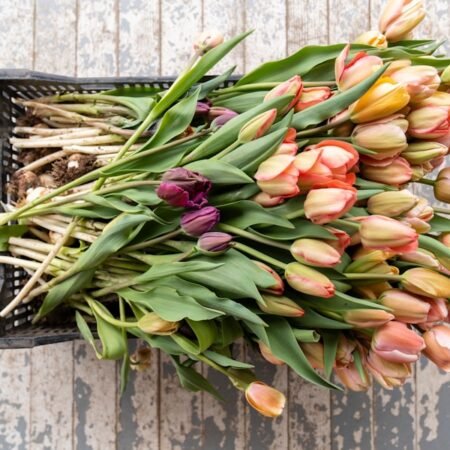
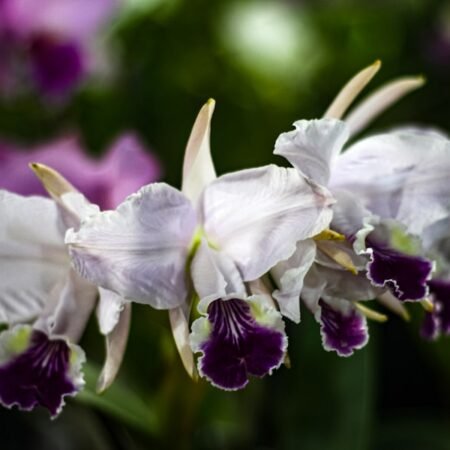
There are several popular wedding flowers that are commonly used in ceremonies and receptions, each with its own unique symbolism. Roses, for example, are a classic choice for weddings and are often associated with love and romance. Peonies are another popular option, symbolizing prosperity, good fortune, and a happy marriage. Lilies are often used in wedding bouquets and represent purity and devotion. Other popular choices include tulips, which symbolize perfect love, and orchids, which represent beauty and luxury. When choosing your wedding flowers, consider the meanings behind each bloom and how they align with the emotions you want to convey on your special day.
Incorporating Cultural and Religious Symbolism
Many couples choose to incorporate cultural and religious symbolism into their wedding ceremonies, and flowers can play a significant role in this process. For example, in Hindu weddings, marigolds are often used as decorations and garlands to symbolize prosperity and good fortune. In Chinese culture, peonies are considered a symbol of wealth and honor, making them a popular choice for weddings. In Christian ceremonies, white flowers such as lilies and roses are often used to symbolize purity and new beginnings. Whether you want to honor your heritage or incorporate religious traditions into your wedding, there are countless ways to use flowers to add meaningful symbolism to your special day.
Creative Ways to Include Flower Symbolism in Your Wedding
There are many creative ways to include flower symbolism in your wedding beyond just using them in bouquets and centerpieces. Consider incorporating flowers into your wedding attire, such as wearing a floral crown or adding a meaningful bloom to your hair or boutonniere. You can also use flowers to decorate your ceremony space, such as creating a floral arch or using petals to create a meaningful design on the ground. Another idea is to use flowers as part of your wedding favors or place settings, allowing guests to take home a piece of the symbolism from your special day. Get creative with how you incorporate flowers into your wedding to add personal meaning and symbolism to every aspect of the celebration.
Working with Your Florist to Bring Your Vision to Life
When planning your wedding flowers, it’s important to work closely with your florist to bring your vision to life. Schedule a consultation with your florist to discuss your ideas, preferences, and any specific symbolism you want to incorporate into your arrangements. Bring inspiration photos and color swatches to help convey your vision, and be open to your florist’s suggestions and expertise. Consider the overall aesthetic of your wedding venue and how the flowers will complement the space. Your florist can help you choose the right blooms that align with your theme, color scheme, and personal meaning. By collaborating with your florist, you can ensure that your wedding flowers reflect your unique style and symbolism.
The Power of Flower Arrangements to Tell Your Love Story
Flower arrangements have the power to tell a love story through their symbolism and design. Consider creating a floral installation that represents a meaningful symbol or motif in your relationship, such as a heart-shaped arrangement or a design that incorporates both of your favorite flowers. You can also use flowers to honor loved ones who are no longer with you by incorporating their favorite blooms into your arrangements. Another idea is to create a flower wall or backdrop that serves as a meaningful focal point for your ceremony or reception. By thoughtfully designing your flower arrangements, you can use them to tell your love story and add personal meaning to every aspect of your wedding celebration.
In conclusion, flower symbolism has a rich history and can add depth and personal meaning to your wedding celebration. By choosing flowers with personal significance, incorporating cultural and religious symbolism, and working closely with your florist, you can create a wedding that is filled with beautiful and meaningful floral arrangements that tell your unique love story. Whether you choose classic blooms like roses and lilies or opt for more unique options, there are countless ways to use flower symbolism to add an extra layer of emotion and significance to your special day.