
Aromatherapy has been used for thousands of years as a way to promote physical, emotional, and spiritual well-being. The use of aromatic plants and their essential oils can be traced back to ancient civilizations such as the Egyptians, Greeks, and Romans. In these cultures, aromatic plants and oils were used in religious ceremonies, healing rituals, and as offerings to the gods. The use of aromatherapy was also prevalent in traditional Chinese medicine and Ayurveda, the ancient healing system of India.
In many ancient cultures, aromatic plants and their oils were believed to have symbolic meanings and were used to evoke specific emotions or energies. For example, the ancient Egyptians used essential oils such as frankincense and myrrh in their religious ceremonies to symbolize purification and spiritual enlightenment. In ancient Greece, the use of aromatic plants and oils was associated with the goddess Aphrodite, who was the goddess of love and beauty. The Romans also used aromatherapy in their daily lives, believing that certain scents could bring good luck and protection. The symbolism of aromatherapy has continued to evolve over the centuries, with different cultures and traditions attributing different meanings to various aromatic plants and oils.
The Healing Power of Flowers
Flowers have long been associated with beauty, love, and healing. In many cultures, flowers are used in rituals and ceremonies to promote physical and emotional well-being. The use of flowers in aromatherapy is based on the belief that the scent of flowers can have a powerful impact on our emotions and can help to promote relaxation, reduce stress, and uplift the spirit.
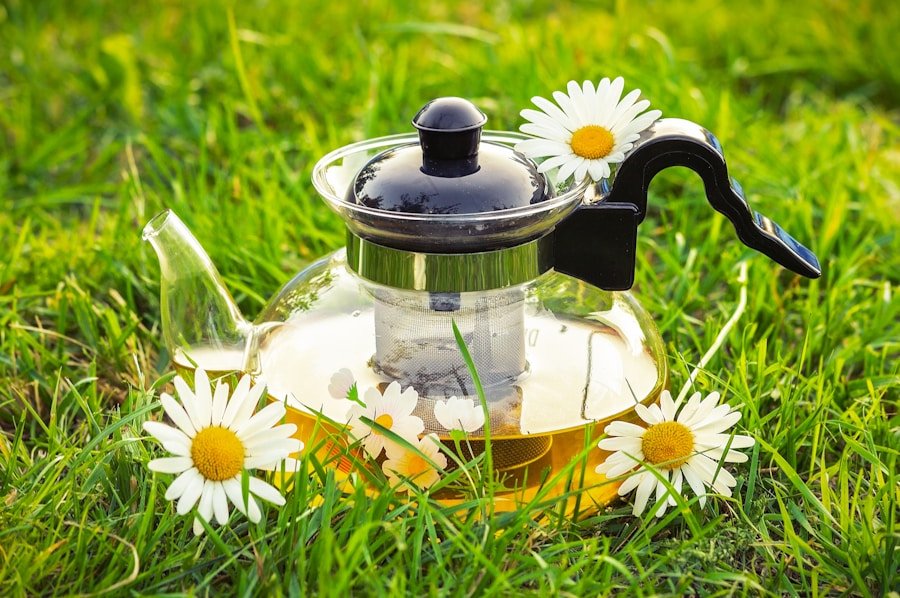
One of the most well-known flowers used in aromatherapy is lavender. Lavender essential oil is known for its calming and soothing properties and is often used to promote relaxation and improve sleep quality. Another popular flower used in aromatherapy is rose. Rose essential oil is believed to have a balancing effect on the emotions and is often used to promote feelings of love and compassion. Other flowers commonly used in aromatherapy include chamomile, jasmine, and ylang-ylang, each with its own unique healing properties.
Understanding the Emotional and Spiritual Benefits of Aromatherapy
Aromatherapy is not just about creating a pleasant scent; it also has powerful emotional and spiritual benefits. The use of essential oils and aromatic plants can have a profound impact on our emotions, helping to promote feelings of calm, relaxation, and well-being. Aromatherapy can also be used as a tool for spiritual growth and self-discovery, helping us to connect with our inner selves and the world around us.
One of the key emotional benefits of aromatherapy is its ability to reduce stress and anxiety. The scent of certain essential oils, such as lavender, chamomile, and bergamot, can help to calm the mind and promote a sense of peace and tranquility. Aromatherapy can also help to uplift the spirit and promote feelings of joy and happiness. Essential oils such as citrus oils, rose, and jasmine are known for their uplifting and mood-boosting properties.
In addition to its emotional benefits, aromatherapy can also have powerful spiritual effects. Many people use aromatherapy as a way to connect with nature and the divine. The use of aromatic plants and oils can help to create a sense of sacred space and promote feelings of harmony and balance. Aromatherapy can also be used as a tool for meditation and prayer, helping us to quiet the mind and open our hearts to the spiritual realm.
Incorporating Aromatherapy into Daily Life
Incorporating aromatherapy into your daily life is easier than you might think. There are many simple ways to enjoy the benefits of aromatherapy at home, at work, or on the go. One of the easiest ways to enjoy aromatherapy is by using an essential oil diffuser. Diffusers are designed to disperse the scent of essential oils into the air, allowing you to enjoy their therapeutic benefits throughout the day.
Another popular way to incorporate aromatherapy into your daily routine is by using scented candles or incense. Many people find that burning scented candles or incense can help to create a relaxing atmosphere and promote feelings of calm and well-being. You can also add a few drops of your favorite essential oil to a warm bath or shower to create a spa-like experience at home.
If you prefer a more hands-on approach, you can create your own aromatherapy products at home. There are many recipes available for making your own natural perfumes, massage oils, and room sprays using essential oils and other natural ingredients. By creating your own aromatherapy products, you can customize the scents to suit your personal preferences and enjoy the therapeutic benefits of aromatherapy in a more personalized way.
Choosing the Right Aromatherapy Oils and Flowers
When choosing aromatherapy oils and flowers, it’s important to consider your individual needs and preferences. There are many different essential oils and aromatic plants available, each with its own unique properties and benefits. Some essential oils are known for their calming and relaxing effects, while others are more uplifting and energizing. It’s important to choose oils that resonate with you personally and that will help you achieve your desired emotional or spiritual goals.
When selecting flowers for aromatherapy, it’s important to consider their scent as well as their healing properties. Some flowers have a light, floral scent that is perfect for promoting relaxation and tranquility, while others have a more intense or exotic aroma that can help to uplift the spirit and promote feelings of joy. It’s also important to consider any allergies or sensitivities you may have when choosing flowers for aromatherapy.
It’s also important to choose high-quality essential oils and flowers when practicing aromatherapy. Look for oils that are 100% pure and natural, without any synthetic additives or fillers. Organic essential oils are also a good choice, as they are free from pesticides and other harmful chemicals. When purchasing flowers for aromatherapy, look for fresh, high-quality blooms that have been grown without the use of pesticides or other harmful chemicals.
Aromatherapy Practices for Mental and Emotional Well-being
Aromatherapy can be a powerful tool for promoting mental and emotional well-being. There are many different practices that can be used to harness the healing power of aromatic plants and essential oils for emotional balance and mental clarity. One popular practice is using essential oils in massage therapy. Aromatherapy massage combines the therapeutic benefits of touch with the healing properties of essential oils, helping to promote relaxation, reduce stress, and alleviate tension in the body.
Another popular practice for mental and emotional well-being is using essential oils in meditation or mindfulness practices. The scent of certain essential oils can help to quiet the mind and promote a sense of inner peace, making them an ideal tool for meditation or prayer. You can also create your own meditation space at home using aromatic plants or diffusing essential oils to create a calming atmosphere.
Aromatherapy can also be used as a tool for promoting emotional balance and resilience. Many people find that certain essential oils can help them cope with difficult emotions such as grief, anger, or sadness. Essential oils such as rose, geranium, or frankincense are known for their ability to promote feelings of love, compassion, and inner strength.
Connecting with Nature through Aromatherapy
Aromatherapy is a wonderful way to connect with nature and experience the healing power of plants in a tangible way. By using aromatic plants and essential oils in your daily life, you can bring the beauty and vitality of nature into your home or workspace. Aromatherapy can also be a way to honor the natural world and cultivate a deeper sense of gratitude for the earth’s gifts.
One way to connect with nature through aromatherapy is by creating your own herbal garden or growing aromatic plants at home. Many aromatic plants such as lavender, rosemary, and mint are easy to grow indoors or outdoors and can be used to create your own natural remedies or aromatic products. By tending to your own garden or caring for aromatic plants, you can develop a deeper appreciation for the natural world and experience the joy of nurturing living things.
Another way to connect with nature through aromatherapy is by using natural materials such as wood or stone in your aromatherapy practices. Many people find that using wooden diffusers or stone oil burners helps them feel more connected to the earth’s energy while enjoying the therapeutic benefits of essential oils.
In conclusion, aromatherapy is a powerful tool for promoting physical, emotional, and spiritual well-being. By incorporating aromatic plants and essential oils into your daily life, you can experience the healing power of nature in a tangible way. Whether you’re looking to reduce stress, promote relaxation, or connect with your inner self, aromatherapy offers a wide range of benefits for overall well-being. By choosing high-quality essential oils and flowers that resonate with you personally, you can create your own unique aromatherapy practices that support your individual needs and preferences. Whether you’re using aromatherapy for mental clarity, emotional balance, or spiritual growth, it’s important to approach this ancient art with an open heart and a deep respect for the natural world.