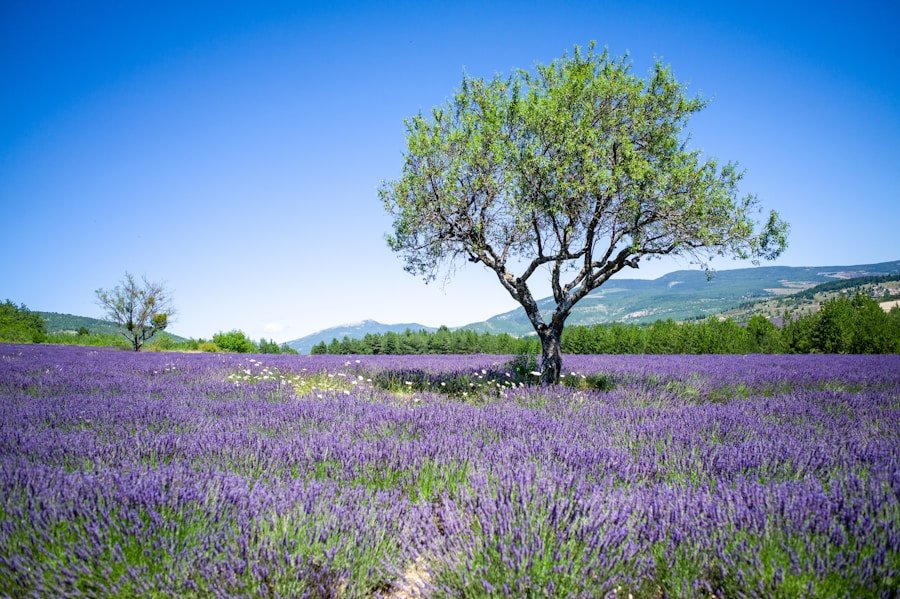

Lavender, known for its beautiful purple flowers and sweet, calming scent, has a rich and fascinating history that dates back thousands of years. The use of lavender can be traced back to ancient civilizations such as the Egyptians, Greeks, and Romans, who valued the plant for its medicinal and aromatic properties. In ancient Egypt, lavender was used in the mummification process and as a perfume. The Greeks and Romans also recognized the therapeutic benefits of lavender, using it to scent their baths and as a remedy for various ailments.
During the Middle Ages, lavender became a symbol of love and devotion, and was often used in wedding ceremonies and to scent linens. It was also believed to have protective properties, and was used to ward off evil spirits and disease. In the 17th century, lavender gained popularity in England, where it was used to freshen the air and as a remedy for headaches and insomnia. Today, lavender is cultivated all over the world and is used in a variety of products, from essential oils and perfumes to soaps and teas. Its popularity continues to grow as people discover its many uses and benefits.
The Cultural Significance of Lavender in Different Societies
Lavender holds a special place in the hearts of many cultures around the world, each with its own unique traditions and beliefs surrounding the plant. In France, lavender is synonymous with the Provence region, where it has been cultivated for centuries. The vibrant purple fields of lavender are not only a stunning sight to behold, but also an important part of the local economy. Lavender festivals are held annually to celebrate the harvest, and the plant is used in a variety of culinary dishes and artisanal products.
In Japan, lavender is associated with purity and cleanliness, and is often used in traditional tea ceremonies and as a natural air freshener. In India, lavender is revered for its healing properties and is used in Ayurvedic medicine to promote relaxation and balance. In Native American cultures, lavender is considered a sacred plant and is used in smudging ceremonies to purify the spirit and ward off negative energy. The cultural significance of lavender varies from region to region, but its universal appeal as a symbol of beauty, healing, and spirituality is undeniable.
The Healing Properties of Lavender: Aromatherapy and Beyond
Lavender has long been prized for its therapeutic properties, particularly in the realm of aromatherapy. The essential oil derived from lavender is known for its calming and soothing effects on the mind and body, making it a popular choice for relieving stress, anxiety, and insomnia. Studies have shown that inhaling the scent of lavender can reduce levels of cortisol, the stress hormone, and promote feelings of relaxation and well-being.
In addition to its psychological benefits, lavender also has a number of physical healing properties. It has been used for centuries as a natural remedy for headaches, muscle pain, and digestive issues. Lavender oil can also be applied topically to soothe minor burns, insect bites, and skin irritations. Its anti-inflammatory and antimicrobial properties make it a versatile and effective treatment for a variety of common ailments. Whether used in a diffuser, applied to the skin, or added to bath water, lavender has the power to promote healing and balance in both body and mind.
Lavender in Art and Literature: Its Symbolism and Representation
Throughout history, lavender has been a popular subject in art and literature, often symbolizing love, purity, and tranquility. In paintings, lavender fields are depicted as idyllic landscapes that evoke a sense of peace and serenity. Artists such as Vincent van Gogh and Claude Monet were inspired by the beauty of lavender fields, capturing their vibrant colors and delicate blooms in their iconic works.
In literature, lavender is often used as a symbol of devotion and affection. In Shakespeare’s plays, lavender is mentioned as a token of love and fidelity, while in Victorian poetry, it is associated with romance and courtship. The symbolism of lavender has also been explored in modern literature, where it is often used to represent healing, renewal, and spiritual growth. Its timeless appeal as a symbol of beauty and grace continues to inspire artists and writers around the world.
Lavender in Religious and Spiritual Practices: Its Sacred Meaning
In many religious and spiritual traditions, lavender holds a sacred significance and is used in rituals and ceremonies to purify the spirit and create a sense of peace and harmony. In Christianity, lavender is associated with the Virgin Mary and is often used in churches to symbolize purity and devotion. It is also used in religious ceremonies to anoint the sick and bless the home.
In Wiccan and pagan traditions, lavender is considered a protective herb that can be used to ward off negative energy and promote spiritual growth. It is often included in spells and rituals for purification, healing, and meditation. In Hinduism, lavender is used in Ayurvedic medicine to balance the chakras and promote emotional well-being. Its sweet fragrance is believed to uplift the spirit and create a sense of inner peace. Across cultures and faiths, lavender continues to be revered for its sacred properties and its ability to connect us to the divine.
Growing and Caring for Lavender: Tips for Cultivating Your Own Symbolic Garden
For those looking to cultivate their own symbolic garden of lavender, there are a few key tips to keep in mind. Lavender thrives in well-drained soil with plenty of sunlight, making it an ideal plant for dry climates. It is important to choose a variety of lavender that is well-suited to your specific growing conditions, whether you are planting it in the ground or in containers.
When caring for lavender, it is important to prune the plant regularly to encourage new growth and prevent it from becoming too woody. Lavender should be watered sparingly, as it is susceptible to root rot if overwatered. Mulching around the base of the plant can help retain moisture and protect it from extreme temperatures. With proper care and attention, lavender can flourish in your garden for many years to come, filling the air with its sweet fragrance and vibrant color.
Incorporating Lavender into Your Daily Life: Ways to Harness its Symbolism for Well-being
There are countless ways to incorporate the symbolism of lavender into your daily life to promote well-being and balance. One simple way to enjoy the benefits of lavender is by using essential oils or dried flowers in a diffuser or sachet. The calming scent can help reduce stress and anxiety, creating a peaceful atmosphere in your home or workspace.
Lavender can also be used in self-care rituals such as baths or massages to promote relaxation and rejuvenation. Adding a few drops of lavender oil to your bathwater or mixing it with a carrier oil for a soothing massage can help ease tension and promote restful sleep. You can also incorporate lavender into your beauty routine by using products that contain lavender essential oil or dried flowers, such as soaps, lotions, or bath salts.
In addition to its aromatic properties, lavender can also be enjoyed in culinary dishes such as teas, baked goods, or savory recipes. Its delicate flavor adds a unique twist to both sweet and savory dishes, while also providing potential health benefits such as aiding digestion or promoting relaxation after a meal.
Whether you choose to grow your own lavender garden or simply incorporate its symbolism into your daily routine through aromatherapy or culinary delights, there are countless ways to harness the power of this beloved plant for your own well-being. Its rich history, cultural significance, healing properties, artistic representation, religious symbolism, and practical uses make lavender a truly versatile and timeless symbol of beauty, love, and tranquility that continues to captivate people around the world.