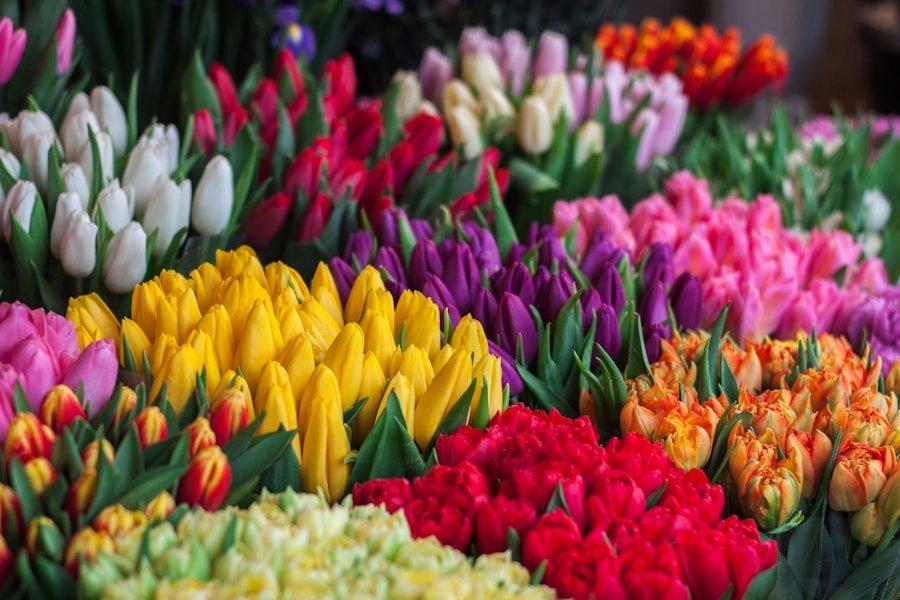

The language of flowers, also known as floriography, has been used as a form of communication for centuries. The practice can be traced back to ancient civilizations such as the Greeks, Romans, and Egyptians, who used flowers to convey messages and emotions. However, it wasn’t until the Victorian era that floriography became widely popular in Western culture. During this time, flowers were used to express sentiments that could not be spoken aloud, as strict social etiquette and moral codes prevented open displays of affection. As a result, people turned to the language of flowers to communicate their feelings in a subtle and symbolic manner.
Floriography reached its peak in the 19th century, with the publication of numerous flower dictionaries and guides that detailed the meanings and symbolism of different blooms. These books became popular among the Victorian middle and upper classes, who used them to decipher the hidden messages behind floral arrangements and bouquets. Each flower was assigned a specific meaning, allowing individuals to convey a wide range of emotions, from love and friendship to jealousy and sorrow. While the popularity of floriography waned in the 20th century, the practice has experienced a resurgence in recent years, as people continue to use flowers as a means of expressing their emotions in a meaningful and personal way.
How Flowers Convey Emotions
Flowers have long been recognized as powerful symbols of emotion, capable of conveying a wide range of feelings without the need for words. The vibrant colors, delicate petals, and intoxicating scents of flowers have a profound impact on our senses, evoking strong emotional responses that can uplift, comfort, or inspire. Whether it’s a single stem or an elaborate bouquet, flowers have the ability to communicate love, gratitude, sympathy, and a myriad of other emotions in a way that is both universal and deeply personal.
The language of flowers is based on the idea that each bloom carries its own unique symbolism and meaning. For example, red roses are commonly associated with love and passion, while white lilies symbolize purity and innocence. By selecting specific flowers and arranging them in a thoughtful manner, individuals can convey their emotions in a subtle yet powerful way. Whether it’s a romantic gesture, a gesture of sympathy, or a simple expression of gratitude, flowers have the ability to speak volumes without saying a word.
The Psychology Behind Flower Gifting
The act of giving and receiving flowers has a profound psychological impact on both the sender and the recipient. Numerous studies have shown that receiving flowers can have a positive effect on mood and emotional well-being. The sight and scent of flowers can trigger feelings of happiness, reduce stress and anxiety, and even improve cognitive function. In addition, the act of giving flowers can also boost the sender’s mood and create a sense of connection and intimacy with the recipient.
From a psychological perspective, the act of giving flowers is a form of prosocial behavior that fosters positive social interactions and strengthens relationships. When someone receives flowers, they feel valued and appreciated, which can lead to an increase in feelings of gratitude and reciprocity. This positive emotional response can create a sense of bonding between the giver and recipient, leading to an enhanced sense of closeness and connection. In this way, the act of gifting flowers serves as a powerful tool for building and maintaining meaningful relationships.
The Most Common Flowers and Their Meanings
Flowers have been assigned specific meanings and symbolism for centuries, with each bloom carrying its own unique message. While there are countless varieties of flowers with their own individual meanings, some blooms have become particularly well-known for their symbolic significance. For example, roses are perhaps the most iconic symbol of love and romance, with red roses representing passion and desire, while yellow roses convey friendship and joy. Similarly, lilies are often associated with purity and innocence, making them a popular choice for weddings and other ceremonial occasions.
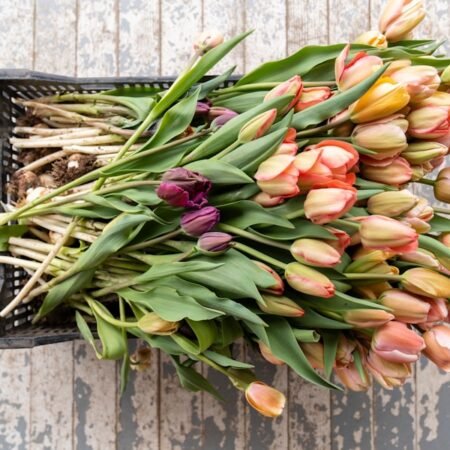
Other common flowers and their meanings include daisies, which symbolize innocence and purity; tulips, which represent perfect love; and sunflowers, which convey adoration and loyalty. In addition to these well-known blooms, there are countless other flowers with their own unique symbolism and significance. By understanding the meanings behind different flowers, individuals can select blooms that best convey their intended message and emotions.
How to Choose the Right Flowers for Different Emotions
When selecting flowers to convey specific emotions, it’s important to consider both the type of bloom and its color. Different flowers carry different meanings, so it’s essential to choose blooms that align with the intended message. For example, if you want to express love and passion, red roses are an obvious choice, while white lilies are a fitting symbol of purity and innocence for weddings or other ceremonial occasions. In addition to the type of flower, the color also plays a significant role in conveying emotions. For instance, red is often associated with love and passion, while yellow represents friendship and joy.
In addition to considering the type and color of the flower, it’s also important to think about the arrangement itself. The way in which flowers are arranged can further enhance their symbolic meaning. For example, a single red rose is a classic symbol of love and romance, while a mixed bouquet can convey a range of emotions such as gratitude or sympathy. By carefully selecting the right flowers and arranging them thoughtfully, individuals can effectively communicate their emotions in a meaningful and personal way.
The Impact of Receiving Flowers on Emotions
Receiving flowers has been shown to have a significant impact on emotional well-being. Numerous studies have demonstrated that receiving flowers can lead to an immediate increase in happiness and positive emotions. The sight and scent of flowers can trigger feelings of joy, gratitude, and appreciation, creating a sense of warmth and connection with the sender. In addition to these immediate effects, receiving flowers can also have long-term benefits for emotional well-being.
The act of receiving flowers can create lasting feelings of happiness and satisfaction. When someone receives flowers, they feel valued and appreciated, which can lead to an increase in feelings of gratitude and reciprocity. This positive emotional response can create a sense of bonding between the giver and recipient, leading to an enhanced sense of closeness and connection. In this way, receiving flowers serves as a powerful tool for fostering positive social interactions and strengthening relationships.
Using Flowers to Express Unspoken Emotions in Different Cultures
The practice of using flowers to express unspoken emotions is not limited to Western culture; it is also deeply ingrained in many other cultures around the world. In Japan, for example, the art of flower arranging known as ikebana is steeped in tradition and symbolism. Each arrangement is carefully composed to convey specific emotions or themes, with each flower carefully chosen for its symbolic significance. Similarly, in Chinese culture, certain flowers are associated with specific meanings and are often used to convey messages in both personal and ceremonial contexts.
In addition to these examples, many other cultures have their own unique traditions surrounding the use of flowers to express emotions. In India, marigolds are often used in religious ceremonies as symbols of purity and auspiciousness. In Mexico, Day of the Dead celebrations feature elaborate floral displays that honor deceased loved ones with vibrant marigolds and other blooms. These examples demonstrate that the language of flowers is a universal form of communication that transcends cultural boundaries.
In conclusion, the language of flowers has been used as a form of communication for centuries, allowing individuals to convey their emotions in a subtle yet powerful way. Whether it’s through the selection of specific blooms or the arrangement itself, flowers have the ability to speak volumes without saying a word. The act of giving and receiving flowers has a profound impact on emotional well-being, fostering positive social interactions and strengthening relationships. From ancient civilizations to modern-day cultures around the world, the language of flowers continues to be a universal form of expression that transcends cultural boundaries.