
The bluebell, also known as Hyacinthoides non-scripta, has a rich and fascinating history that dates back to ancient times. In Celtic folklore, the bluebell was believed to be enchanted and ringing a bluebell was thought to summon fairies. It was said that anyone who heard the sound of a bluebell ringing would soon meet their demise. This association with fairies and death led to the bluebell being considered unlucky and it was often avoided. However, in more recent times, the bluebell has come to symbolize gratitude and humility. Its delicate, bell-shaped flowers and vibrant blue color have made it a popular choice for gardens and floral arrangements. The bluebell has also been adopted as the emblem of the United Kingdom’s Conservative Party, further solidifying its place as a symbol of national pride and identity.
The bluebell’s history is not limited to folklore and symbolism. It has also been used for its medicinal properties throughout history. In traditional herbal medicine, bluebells were used to treat ailments such as leprosy and tuberculosis. However, it is important to note that bluebells are toxic and should not be ingested. Despite this, the bluebell continues to hold a special place in the hearts of many, both for its historical significance and its natural beauty.
The Enchanting Beauty of Bluebells: A Closer Look at Their Delicate Features
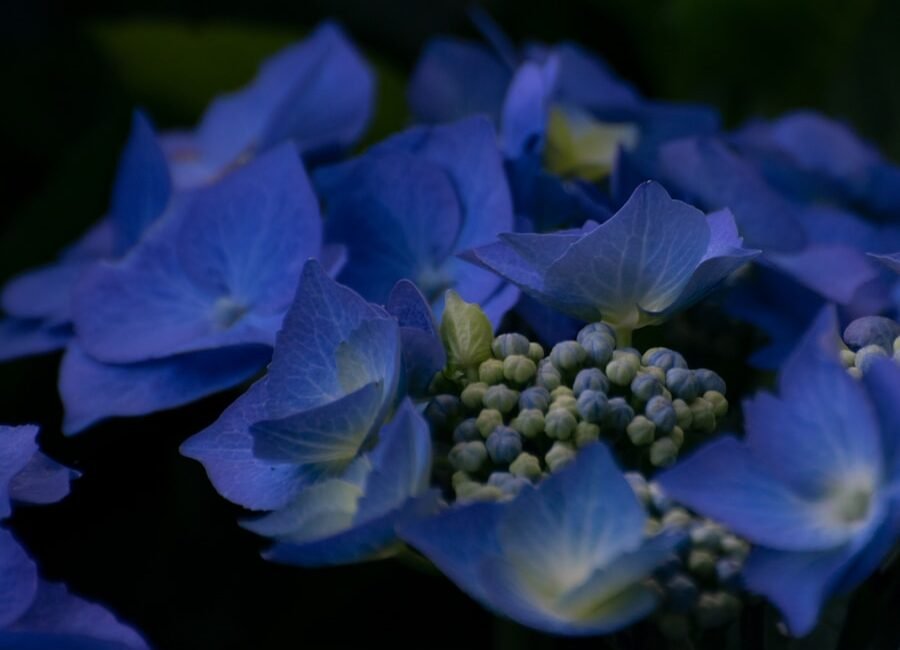
The bluebell is a truly enchanting flower, with delicate features that make it a favorite among nature enthusiasts and gardeners alike. Its slender stems can reach up to 50 centimeters in height, and are adorned with clusters of drooping, bell-shaped flowers. The flowers themselves are a striking shade of blue, although they can also be found in white or pink varieties. Each flower has six petals that curl back at the tips, giving them a whimsical and ethereal appearance. The leaves of the bluebell are long and narrow, with a glossy green hue that provides a beautiful contrast to the vibrant blooms.
One of the most captivating aspects of the bluebell is its sweet, heady fragrance. When in full bloom, a carpet of bluebells can fill the air with a delightful scent that is reminiscent of honey and vanilla. This fragrance is particularly potent on warm, sunny days, when the flowers release their scent to attract pollinators such as bees and butterflies. The combination of their striking appearance and intoxicating aroma makes bluebells a popular choice for gardens and woodland settings, where they can create a magical and enchanting atmosphere.
Bluebells in Literature and Art: How They Have Inspired Creativity and Imagination
Throughout history, bluebells have been a popular subject in literature and art, inspiring creativity and imagination in countless artists and writers. In poetry, the bluebell has been used as a symbol of beauty, fragility, and the fleeting nature of life. One of the most famous examples of this is found in the poem “The Bluebell” by Anne Brontë, in which she describes the flower as “a sweet flower, but must decay.” This sentiment is echoed in many other works of literature, where the bluebell is often used to evoke feelings of nostalgia and melancholy.
In art, the bluebell has been depicted in countless paintings and illustrations, often as a symbol of purity and innocence. The Pre-Raphaelite Brotherhood, a group of English painters who sought to revive the purity and simplicity of medieval art, frequently included bluebells in their works. One such example is John Everett Millais’ painting “Spring,” which features a young girl surrounded by a carpet of bluebells. The delicate beauty of the flowers serves as a poignant contrast to the girl’s innocence and vulnerability, creating a sense of wistfulness and longing.
The Role of Bluebells in Woodland Ecosystems: Their Importance to Biodiversity
Bluebells play a crucial role in woodland ecosystems, where they provide food and shelter for a wide variety of wildlife. The nectar-rich flowers are an important food source for bees, butterflies, and other pollinators, helping to support healthy populations of these essential insects. In turn, these pollinators help to ensure the continued survival of the bluebell by facilitating the process of pollination. The seeds of the bluebell are dispersed by ants, who are attracted to the seeds’ fleshy appendages known as elaiosomes. This unique method of seed dispersal helps to ensure that bluebells can colonize new areas of woodland, contributing to their overall biodiversity.
In addition to their role in supporting pollinators and seed dispersers, bluebells also provide valuable habitat for small mammals and birds. The dense carpets of foliage created by bluebells offer protection and nesting sites for creatures such as mice, voles, and ground-nesting birds. As these animals go about their daily activities, they help to aerate the soil and disperse seeds, contributing to the overall health and diversity of woodland ecosystems. Without the presence of bluebells, these vital ecological processes would be disrupted, leading to a decline in biodiversity and the loss of important wildlife habitats.
The Cultural Significance of Bluebells: Their Use in Traditions and Festivals
Bluebells have long held cultural significance in many parts of the world, where they are used in traditions and festivals that celebrate their beauty and symbolism. In England, it is traditional to wear a garland of bluebells on May Day as a symbol of good luck and prosperity. This custom dates back to ancient times when people believed that wearing bluebells would ward off evil spirits and bring blessings for the coming year. In Scotland, bluebells are associated with the fairy world and are said to ring out on summer nights when fairies are dancing.
In addition to their use in traditional customs, bluebells are also celebrated in modern festivals and events. One such example is the Bluebell Festival held at various locations throughout the United Kingdom each spring. These festivals typically feature guided walks through woodlands where visitors can admire carpets of blooming bluebells, as well as educational activities and workshops that highlight the cultural and ecological significance of these enchanting flowers. By bringing people together to celebrate the beauty of bluebells, these festivals help to foster a sense of appreciation for nature and promote conservation efforts to protect these magical flowers for future generations.
Conservation Efforts for Bluebells: Protecting These Magical Flowers for Future Generations
Despite their enduring popularity, bluebells face numerous threats that have led to declines in their populations in many parts of the world. One of the biggest threats comes from habitat destruction caused by urbanization and agricultural expansion. As woodlands are cleared for development or converted into farmland, the natural habitats of bluebells are lost, leading to declines in their numbers. In addition to habitat loss, invasive species such as Spanish bluebells (Hyacinthoides hispanica) pose a significant threat to native bluebell populations by outcompeting them for resources and interbreeding with them.
To address these threats and protect bluebells for future generations, conservation efforts have been implemented in many countries around the world. These efforts include initiatives to restore and protect woodland habitats where bluebells thrive, as well as programs to control invasive species that threaten native populations. In addition to these on-the-ground conservation efforts, public awareness campaigns have been launched to educate people about the importance of preserving bluebells and their natural habitats. By raising awareness about the threats facing bluebells and promoting conservation actions, these efforts aim to ensure that future generations will be able to enjoy the beauty and magic of these enchanting flowers.
How to Experience the Magic of Bluebells: Where to Find Them and When to Visit
For those who wish to experience the magic of bluebells firsthand, there are many places around the world where these enchanting flowers can be found in abundance. In Europe, some of the best places to see carpets of blooming bluebells include woodlands such as Ashridge Estate in England, Hallerbos in Belgium, and Halle’s Forest in Germany. In North America, visitors can admire displays of native bluebells at locations such as Shenandoah National Park in Virginia and Great Smoky Mountains National Park in Tennessee.
The best time to visit these woodlands is typically during the spring months when bluebells are in full bloom. In most regions, this occurs from late April through early May, although exact timing can vary depending on local climate conditions. To make the most of your visit, consider joining a guided walk or nature tour led by knowledgeable experts who can provide insights into the cultural significance and ecological importance of these magical flowers. By taking the time to seek out these natural wonders and learn more about their significance, you can gain a deeper appreciation for the beauty and magic of bluebells while supporting conservation efforts to protect them for future generations to enjoy.

Other Articles