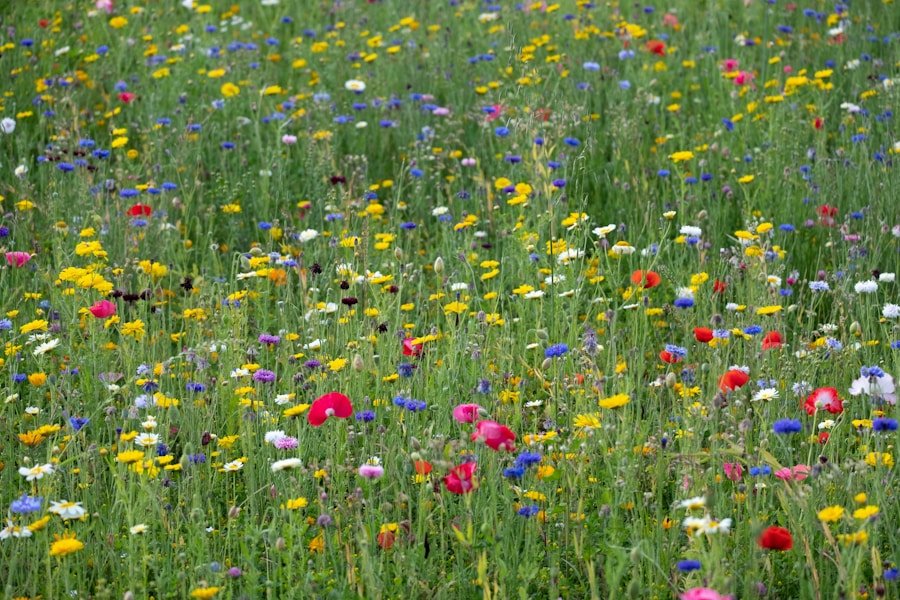

Australia is home to a diverse range of flora and fauna, and one of the most unique and beautiful aspects of its natural landscape is the presence of alpine flowers. These delicate and vibrant blooms can be found in the high-altitude regions of the Australian Alps, including the Snowy Mountains and the Victorian Alps. Despite the harsh and unforgiving conditions of these alpine environments, a surprising variety of flowers have adapted to thrive in this challenging terrain. From the iconic snow gum to the colorful mountain heath, these alpine flowers add a splash of color to the otherwise rugged and barren landscape. In this article, we will explore the symbolism and cultural significance of alpine flowers, their unique adaptations to the Australian climate, their role in Australian ecosystems, conservation efforts and threats facing them, as well as how to identify and appreciate them in the wilderness. We will also discuss the future of alpine flowers in Australia, including the opportunities and challenges that lie ahead.
The Symbolism and Cultural Significance of Alpine Flowers
Alpine flowers have long been revered for their beauty and resilience, and they hold a special place in the hearts of many Australians. In Indigenous Australian culture, certain alpine flowers are considered to be sacred and are used in traditional ceremonies and rituals. For example, the mountain devil (Lambertia formosa) is highly valued for its medicinal properties and is used in traditional Indigenous medicine. In addition to their cultural significance, alpine flowers also hold symbolic meaning for many Australians. The iconic snow gum (Eucalyptus pauciflora) is often associated with strength and resilience, as it is able to survive in some of the harshest conditions on earth. This symbolism is reflected in Australian art, literature, and folklore, where alpine flowers are often used to represent endurance, beauty, and the ability to thrive in adversity.
The Unique Adaptations of Alpine Flowers to the Australian Climate
The Australian alpine environment presents a number of challenges for plant life, including extreme temperatures, high winds, and poor soil quality. Despite these harsh conditions, alpine flowers have evolved a range of unique adaptations that allow them to survive and thrive in this challenging environment. One such adaptation is their compact growth habit, which helps to protect them from the strong winds that are common in alpine regions. Many alpine flowers also have small, leathery leaves that help to reduce water loss and protect them from freezing temperatures. Additionally, some alpine flowers have developed specialized root systems that allow them to access nutrients from the thin, rocky soils found in alpine environments. These adaptations have allowed alpine flowers to carve out a niche in this harsh landscape and play a vital role in the ecosystem.
The Role of Alpine Flowers in Australian Ecosystems
Alpine flowers play a crucial role in Australian ecosystems, providing food and habitat for a wide range of animals, including insects, birds, and small mammals. Many alpine flowers produce nectar and pollen, which are important food sources for bees and other pollinators. In turn, these pollinators help to ensure the continued survival of alpine flowers by facilitating their reproduction. Additionally, the seeds and fruits produced by alpine flowers are an important food source for many bird species, including rosellas and honeyeaters. The presence of alpine flowers also helps to stabilize the soil in alpine environments, reducing erosion and providing a habitat for other plant species. Overall, alpine flowers play a vital role in maintaining the delicate balance of Australian ecosystems.
Conservation Efforts and Threats Facing Alpine Flowers in Australia
Despite their importance, alpine flowers in Australia face a number of threats that put their survival at risk. Climate change is perhaps the most significant threat facing alpine flowers, as rising temperatures and changing precipitation patterns are altering the delicate balance of alpine ecosystems. Invasive species are also a major threat to alpine flowers, as they can outcompete native species for resources and disrupt the delicate balance of these fragile ecosystems. Additionally, human activities such as trampling, habitat destruction, and pollution pose significant threats to alpine flowers and their habitats. In response to these threats, a number of conservation efforts have been implemented to protect alpine flowers in Australia. These efforts include habitat restoration projects, invasive species management, and public education campaigns aimed at raising awareness about the importance of preserving these delicate ecosystems.
How to Identify and Appreciate Alpine Flowers in the Australian Wilderness
For those who are interested in exploring the beauty of alpine flowers in the Australian wilderness, there are a number of ways to identify and appreciate these delicate blooms. One of the best ways to do so is by taking a guided nature walk with an experienced naturalist who can help you identify different species of alpine flowers and provide insight into their unique adaptations and ecological significance. Additionally, there are a number of field guides and online resources available that can help you learn to identify different species of alpine flowers based on their distinctive features such as leaf shape, flower color, and growth habit. When observing alpine flowers in the wild, it is important to do so with care and respect for their delicate habitats. Avoid trampling on fragile vegetation, stay on designated trails, and refrain from picking or disturbing the flowers.
The Future of Alpine Flowers in Australia: Opportunities and Challenges
Looking ahead, there are both opportunities and challenges facing the future of alpine flowers in Australia. On one hand, advances in conservation science and technology offer new opportunities for protecting these delicate ecosystems and ensuring the survival of alpine flowers for future generations. Public awareness about the importance of preserving these unique environments is also growing, leading to increased support for conservation efforts. However, there are also significant challenges that must be addressed in order to secure the future of alpine flowers in Australia. Climate change poses a particularly daunting challenge, as rising temperatures and changing precipitation patterns threaten to disrupt the delicate balance of alpine ecosystems. Invasive species also continue to pose a significant threat to native alpine flora, requiring ongoing management efforts to control their spread.
In conclusion, alpine flowers are a unique and beautiful aspect of Australia’s natural landscape, playing a vital role in maintaining the delicate balance of alpine ecosystems. Despite facing numerous threats, there are opportunities for conservation efforts to protect these delicate blooms for future generations to enjoy. By learning to identify and appreciate alpine flowers in the wild, we can gain a deeper understanding of their ecological significance and work towards ensuring their survival in the face of ongoing challenges. With continued conservation efforts and public support, there is hope for a bright future for alpine flowers in Australia.