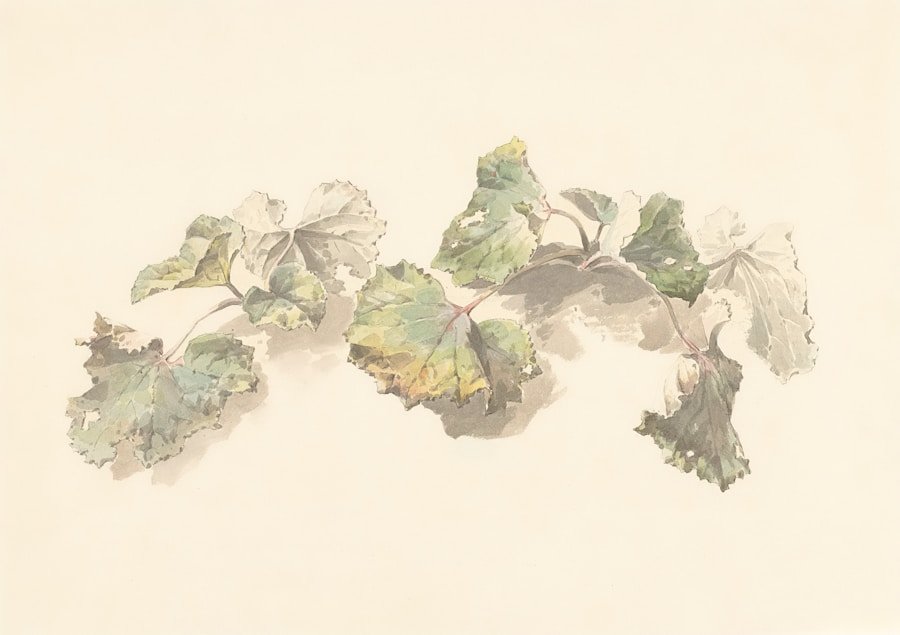

Waxflower, also known as Chamelaucium, is a flowering plant native to Western Australia. It belongs to the Myrtaceae family and is characterized by its small, delicate flowers and aromatic foliage. The plant is named for its waxy appearance and the fragrant, waxy texture of its flowers. Waxflower is a popular choice for floral arrangements due to its long-lasting blooms and versatility in various settings. It is commonly found in shades of pink, white, and purple, and its dainty appearance makes it a favorite among florists and gardeners alike.
Waxflower is a hardy plant that thrives in well-drained soil and full sunlight. It is often used as a filler flower in bouquets and arrangements, adding texture and color to floral displays. The plant blooms in the spring and summer months, making it a popular choice for seasonal arrangements. Its delicate appearance and sweet fragrance make it a beloved addition to gardens and floral designs around the world.
The Symbolism of Waxflower: Understanding its Meaning in Different Cultures
In various cultures, waxflower holds different symbolic meanings. In Western culture, waxflower is often associated with lasting love and enduring beauty. Its delicate blooms and sweet fragrance make it a popular choice for wedding bouquets, symbolizing the purity and sweetness of love. In Chinese culture, waxflower is believed to bring good luck and prosperity, making it a common choice for festive decorations and gifts.
In Aboriginal Australian culture, waxflower holds spiritual significance as a symbol of connection to the land and the natural world. The plant’s fragrant blooms are used in traditional ceremonies and rituals, representing the beauty and resilience of the Australian landscape. In Indigenous Australian art, waxflower is often depicted in intricate designs, reflecting the plant’s cultural importance and symbolic meaning.
Waxflower in Floral Arrangements: How to Incorporate its Seasonal Charm
Waxflower’s delicate blooms and aromatic foliage make it a popular choice for floral arrangements. Its long-lasting flowers and versatile nature make it an ideal addition to bouquets, centerpieces, and decorative displays. When incorporating waxflower into floral arrangements, it is important to consider its seasonal charm and complementary flowers. In the spring and summer months, waxflower can be paired with other seasonal blooms such as roses, peonies, and daisies to create vibrant and fragrant arrangements.
For fall and winter arrangements, waxflower can be combined with seasonal foliage such as eucalyptus, pinecones, and berries to create a cozy and festive display. Its delicate appearance and sweet fragrance make it a versatile choice for various occasions, from weddings and special events to everyday floral designs. Whether used as a focal point or a filler flower, waxflower adds a touch of natural beauty and charm to any arrangement.
The Significance of Waxflower in Australian Indigenous Culture
In Australian Indigenous culture, waxflower holds deep spiritual significance as a symbol of connection to the land and the natural world. The plant’s fragrant blooms are used in traditional ceremonies and rituals, representing the beauty and resilience of the Australian landscape. Waxflower is also used in Indigenous Australian art, where it is often depicted in intricate designs that reflect the plant’s cultural importance and symbolic meaning.
The spiritual significance of waxflower in Australian Indigenous culture is rooted in the belief that all living things are interconnected and share a common bond with the land. The plant’s delicate blooms are seen as a reflection of the natural beauty of the Australian landscape, and its sweet fragrance is believed to bring harmony and balance to the spiritual world. Waxflower plays a vital role in traditional ceremonies and rituals, where it is used to honor the land and express gratitude for the gifts of nature.
Waxflower in Weddings: Symbolic Meanings and Popular Uses
Waxflower is a popular choice for wedding bouquets and floral arrangements due to its symbolic meanings and versatile nature. In Western culture, waxflower is often associated with lasting love and enduring beauty, making it an ideal choice for bridal bouquets. Its delicate blooms and sweet fragrance add a touch of romance and elegance to wedding florals, creating a timeless and classic look.
In addition to bridal bouquets, waxflower is also used in bridesmaid bouquets, boutonnieres, centerpieces, and decorative displays at weddings. Its long-lasting flowers and versatile nature make it an ideal addition to various wedding floral designs, from traditional ceremonies to modern celebrations. Whether used as a focal point or a filler flower, waxflower adds a touch of natural beauty and charm to wedding florals, symbolizing the purity and sweetness of love.
Waxflower in Literature and Art: Depictions and Interpretations
Waxflower has been depicted in literature and art throughout history, reflecting its cultural significance and symbolic meanings. In literature, waxflower is often used as a symbol of beauty, purity, and resilience. Its delicate blooms and sweet fragrance are described in poetic language, evoking images of natural beauty and timeless elegance. In art, waxflower is depicted in intricate designs that reflect its cultural importance in various cultures around the world.
In Australian Indigenous art, waxflower is often portrayed in traditional designs that symbolize the spiritual connection to the land and the natural world. The plant’s fragrant blooms are used as motifs in paintings, sculptures, and decorative arts, reflecting its significance in Indigenous Australian culture. In Western art, waxflower is often depicted in floral still-life paintings that capture its delicate beauty and timeless charm. Whether portrayed in literature or art, waxflower serves as a symbol of natural beauty and cultural significance.
Preserving the Beauty of Waxflower: Tips for Caring and Handling for Longevity
To preserve the beauty of waxflower and ensure its longevity in floral arrangements, it is important to follow proper care and handling techniques. When selecting waxflower for arrangements, choose stems with firm buds and healthy foliage to ensure long-lasting blooms. Upon receiving waxflower, trim the stems at an angle and remove any foliage that will be submerged in water to prevent bacterial growth.
To prolong the life of waxflower in arrangements, place them in clean water with floral preservative and change the water every few days to maintain freshness. Keep waxflower away from direct sunlight, drafts, and extreme temperatures to prevent wilting or premature fading. With proper care and handling, waxflower can maintain its delicate blooms and sweet fragrance for an extended period, adding natural beauty and charm to any floral display.