
Understanding the lifecycles of plants is crucial for creating a successful and sustainable garden. Plants go through various stages in their lifecycles, from seed germination to growth, flowering, and eventually, seed production. It is important to understand the specific needs of each plant at different stages of its lifecycle in order to provide the necessary care and support. For example, some plants may require more water and nutrients during their growth and flowering stages, while others may need less water and more sunlight during their seed production stage. By understanding these lifecycles, gardeners can ensure that their plants are healthy and thriving throughout the year.
In addition to understanding the lifecycles of individual plants, it is also important to consider the overall lifecycle of the garden as a whole. This includes planning for succession planting to ensure that there are always plants in bloom throughout the growing season, as well as considering the long-term health and sustainability of the garden. By understanding the lifecycles of both individual plants and the garden as a whole, gardeners can create a thriving and sustainable outdoor space that brings joy and beauty year after year.
Choosing Long-lasting Blooms
When selecting plants for a garden, it is important to choose long-lasting blooms that will provide color and interest throughout the growing season. Long-lasting blooms not only add beauty to the garden, but they also provide food and habitat for pollinators and other beneficial insects. Some examples of long-lasting blooms include perennial flowers such as coneflowers, black-eyed Susans, and daylilies, as well as shrubs like hydrangeas and roses. These plants not only provide beautiful blooms, but they also require minimal maintenance, making them ideal choices for busy gardeners.
In addition to selecting long-lasting blooms, it is also important to consider the overall design and layout of the garden. By choosing a variety of plants with staggered bloom times, gardeners can ensure that there is always something in bloom throughout the growing season. This not only provides visual interest, but it also ensures that there are always flowers available for pollinators. By choosing long-lasting blooms and carefully planning the layout of the garden, gardeners can create a beautiful and sustainable outdoor space that brings joy and beauty year after year.
Incorporating Evergreen Plants
Incorporating evergreen plants into the garden is a great way to add year-round interest and structure. Evergreen plants provide color and texture even in the winter months when other plants may be dormant. They also provide habitat and food for wildlife, making them an important addition to any garden. Some examples of evergreen plants include holly, boxwood, and yew, as well as conifers such as pine, spruce, and cedar. These plants not only provide visual interest, but they also provide shelter for birds and other wildlife during the winter months.
In addition to providing year-round interest, evergreen plants also help to maintain the overall structure and design of the garden. By incorporating evergreen plants into the landscape, gardeners can create a sense of continuity and cohesion throughout the year. This not only provides visual interest, but it also helps to create a sense of balance and harmony in the garden. By carefully selecting and incorporating evergreen plants into the garden, gardeners can create a beautiful and sustainable outdoor space that brings joy and beauty year after year.
Implementing Seasonal Plantings
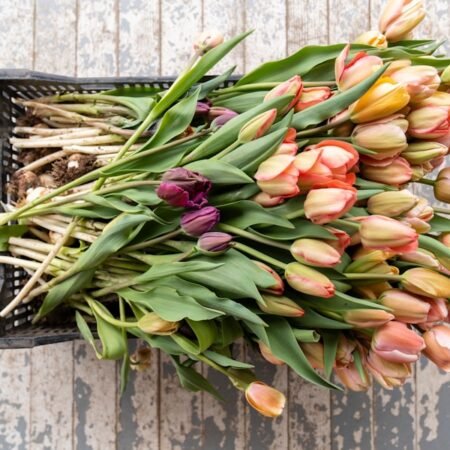
Implementing seasonal plantings is a great way to keep the garden looking fresh and vibrant throughout the year. By choosing plants that bloom at different times of the year, gardeners can ensure that there is always something in bloom, providing color and interest in every season. Some examples of seasonal plantings include spring bulbs such as tulips and daffodils, summer annuals like petunias and zinnias, fall-blooming perennials such as asters and sedum, and winter-blooming shrubs like witch hazel and winter jasmine. By carefully selecting plants with staggered bloom times, gardeners can create a beautiful and ever-changing landscape that provides visual interest year-round.
In addition to providing visual interest, seasonal plantings also provide food and habitat for pollinators and other beneficial insects. By choosing a variety of plants with different bloom times, gardeners can ensure that there are always flowers available for bees, butterflies, and other pollinators. This not only helps to support local wildlife, but it also helps to maintain a healthy and balanced ecosystem in the garden. By implementing seasonal plantings and carefully planning the layout of the garden, gardeners can create a beautiful and sustainable outdoor space that brings joy and beauty year after year.
Adding Colorful Foliage
In addition to flowers, adding colorful foliage to the garden is a great way to add visual interest and texture. Plants with colorful foliage provide year-round interest, even when they are not in bloom. Some examples of plants with colorful foliage include coral bells, Japanese maples, and ornamental grasses. These plants not only provide visual interest, but they also help to create a sense of balance and harmony in the garden. By carefully selecting plants with colorful foliage, gardeners can create a beautiful and sustainable outdoor space that brings joy and beauty year after year.
In addition to providing visual interest, plants with colorful foliage also provide habitat and food for wildlife. Many birds and insects rely on plants with colorful foliage for shelter and sustenance. By incorporating these plants into the landscape, gardeners can create a healthy and balanced ecosystem that supports local wildlife. This not only adds to the overall beauty of the garden, but it also helps to maintain a healthy and sustainable outdoor space that brings joy year after year.
Using Mulch and Compost
Using mulch and compost is an important part of maintaining a healthy and sustainable garden. Mulch helps to retain moisture in the soil, suppress weeds, and regulate soil temperature. It also provides habitat for beneficial insects and microorganisms that help to break down organic matter in the soil. Compost adds valuable nutrients to the soil, improving its structure and fertility. It also helps to support a healthy population of beneficial microorganisms that contribute to soil health.
In addition to providing valuable benefits for the soil, using mulch and compost also helps to reduce waste by recycling organic matter from the garden. By using organic materials such as leaves, grass clippings, and kitchen scraps to make compost, gardeners can reduce their environmental impact while improving the health of their soil. By using mulch and compost in the garden, gardeners can create a healthy and sustainable outdoor space that brings joy and beauty year after year.
Regular Maintenance and Pruning
Regular maintenance and pruning are essential for keeping a garden healthy and thriving. This includes tasks such as weeding, watering, fertilizing, and pest control. It also includes regular pruning to remove dead or diseased branches, shape plants, and promote healthy growth. By staying on top of these tasks, gardeners can ensure that their plants are healthy and thriving throughout the year.
In addition to regular maintenance tasks, it is also important to consider long-term maintenance needs when planning a garden. This includes choosing plants that are well-suited to the local climate and soil conditions, as well as considering factors such as mature size and growth habits. By carefully selecting plants that are well-suited to their environment, gardeners can reduce the need for ongoing maintenance while creating a healthy and sustainable outdoor space that brings joy and beauty year after year.
In conclusion, creating a beautiful and sustainable garden requires careful planning and consideration of plant lifecycles, long-lasting blooms, evergreen plants, seasonal plantings, colorful foliage, mulch and compost use, as well as regular maintenance and pruning. By understanding the lifecycles of plants and carefully selecting long-lasting blooms with staggered bloom times, gardeners can ensure that there is always something in bloom throughout the growing season. Incorporating evergreen plants into the landscape provides year-round interest while maintaining the overall structure of the garden. Implementing seasonal plantings ensures that there is always something new to see throughout the year while providing food and habitat for pollinators. Adding colorful foliage adds visual interest while supporting local wildlife. Using mulch and compost improves soil health while reducing waste. Regular maintenance tasks such as weeding, watering, fertilizing, pest control, and pruning are essential for keeping a garden healthy and thriving year after year. By carefully considering these factors when planning a garden, gardeners can create a beautiful outdoor space that brings joy and beauty for years to come.